ICE ICE BABY

Do a quick thought experiment before reading on.
Make ice without electricity.

Of all the day-to-day comforts we take for granted, the human ability to create cold might be the most underrated (heat was a piece of cake). Refrigeration, other than via of evaporation and air movement, wasn’t invented until the 1830’s. It wasn’t perfected for another century. There is no reliable data that recorded how many refrigerators were in United States homes prior to 1940, but it wasn’t many (by 1944 they were in about half the households).

If you wanted something cold, it meant ice.

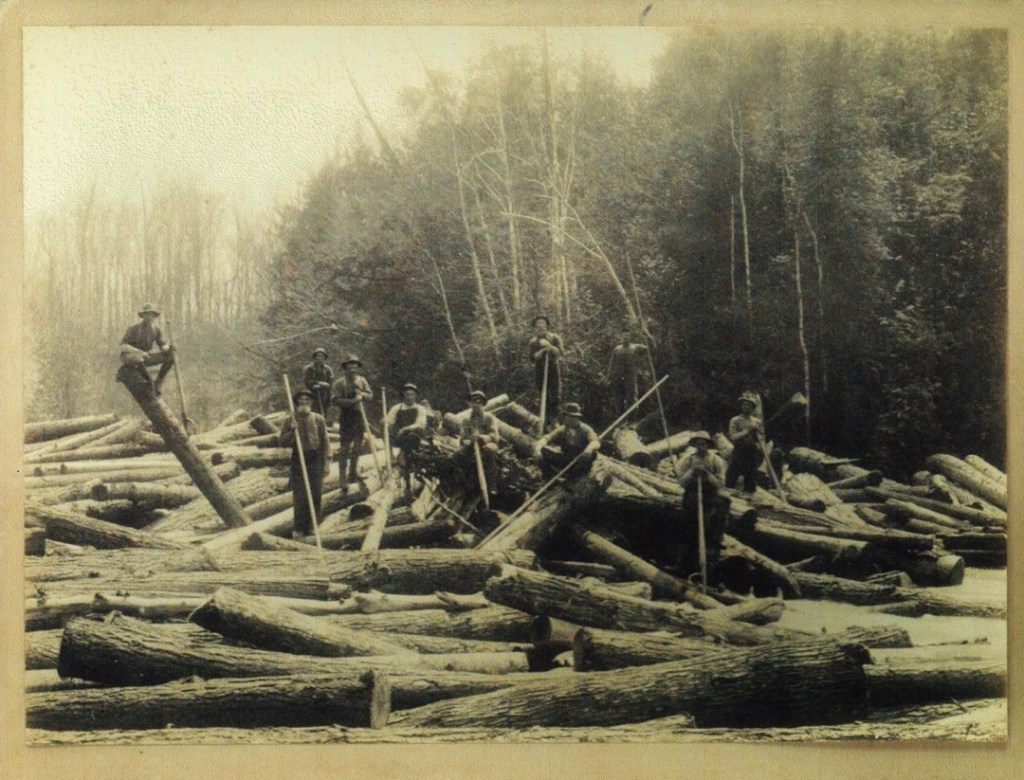
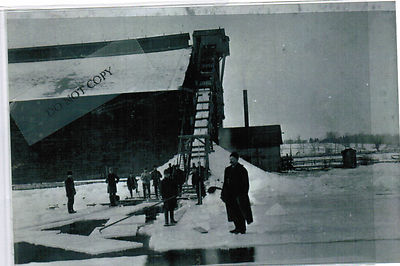
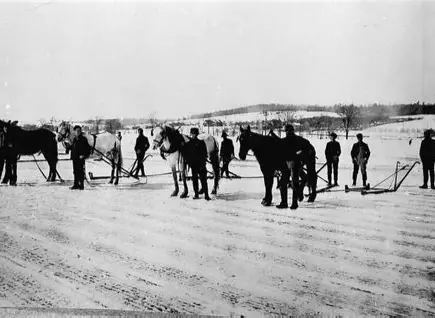
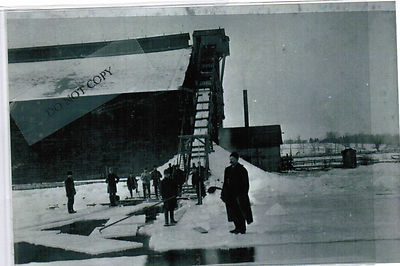
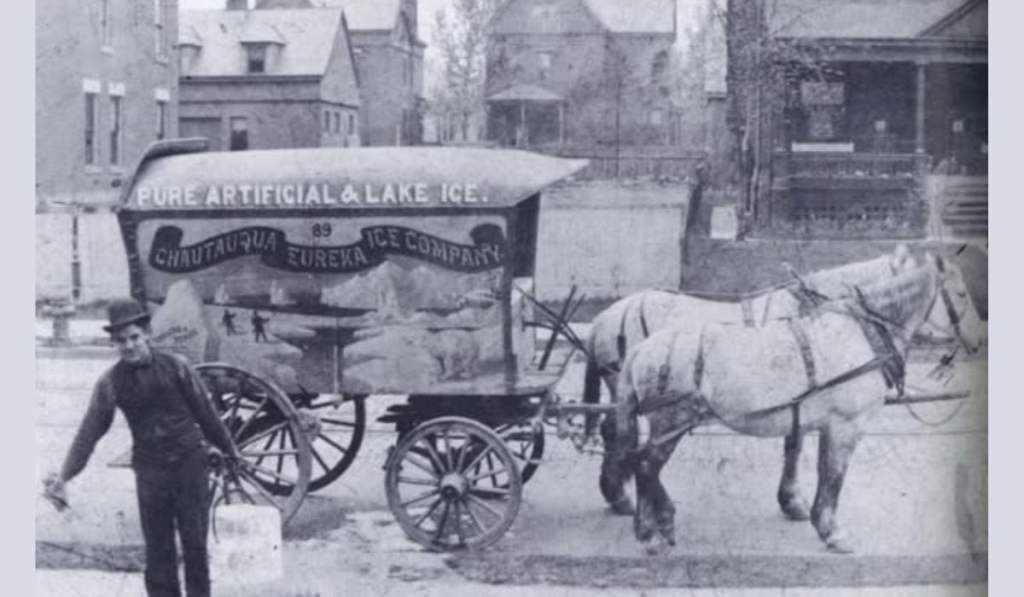
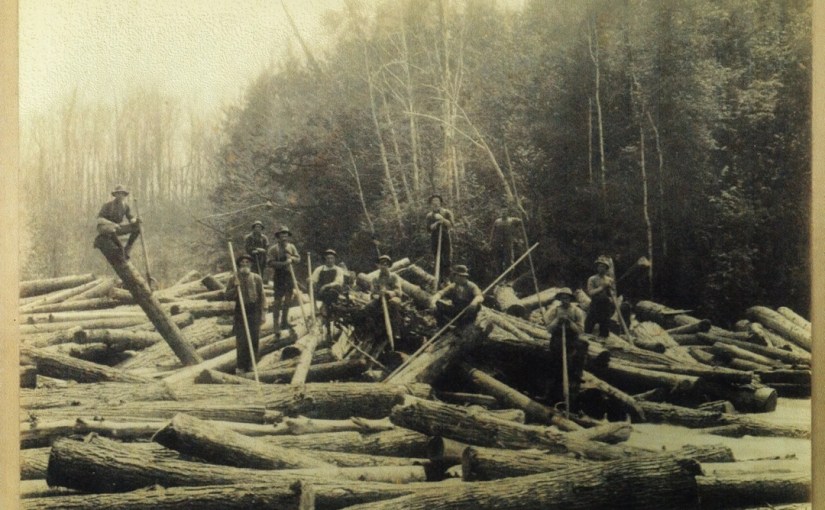
Ice harvest on Chautauqua Lake was a boom business from the 1880’s through the 1910’s; twenty to forty-thousand tons removed from the lake yearly and shipped to ice houses, mostly in Pittsburgh, but west to Cleveland and east to Buffalo as well. Ice was a regional industry that moved tens of thousands of tons of product and employed entire work forces through long winters.

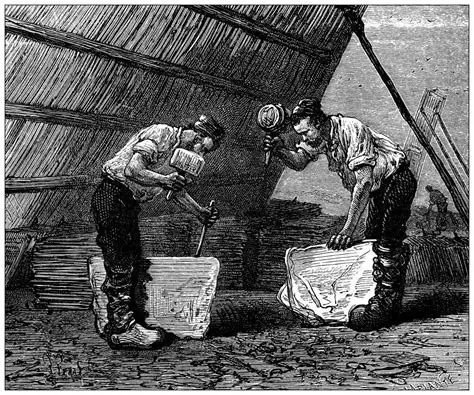
Chautauqua Lake has a low shoreline, easily accessible. The upper basin has a depth best for growing ice. By late January every year crews lay out a cutting schedule, dividing the ice into a grid of blocks twenty-two by thirty-two inches, with a depth of twelve to eighteen inches. Blocks weigh between a hundred-fifty and three-hundred pounds. Giant saws cut up the grids and horse-drawn sleds pull the ice onto shore. Ice is loaded onto wagons and transferred to train stations.       The blocks are standardized to maximize storage. A single railcar can carry thirty to forty tons of tightly packed ice, and during the busiest weeks, multiple cars depart daily for industrial centers. Ice from Chautauqua Lake is known throughout the east for its clarity and slow melt rate, qualities that reduce losses during transport and increase its commercial value. A block of Chautauqua ice can last ten to twelve months if stored correctly.

The Celoron Ice Company and facilities in Mayville maintained storage capacity for more than ten-thousand tons, not simply stacks of frozen water, but inventory, revenue, and the wages of hundreds of workers. Families depended on the harvest to bridge the financial gap between fall and spring.

But the industry operated on narrow margins, dependent on the weather. A solid freeze determined whether a year would be profitable. Mild winters, or untimely thaws, could ruin an entire harvest season, which trickled down to all the industry that counted on ice, including service to individual homes. This ice had to last until the next freeze and provide winter wages for ice workers, wages that were comparatively strong for the era—often $1.50 to $2.00 per day when factory work paid closer to $1.00.

Icehouses were feats of practical engineering. The Celoron structure was a massive wooden complex along the shoreline, insulated heavily with sawdust (sawdust was the perfect insulation, a limited conductor of heat, and cheap), it could preserve ice into September. Storage capacity was precise, every cubic foot represented potential income. A fully stocked icehouse could hold a value equivalent to hundreds of thousands of dollars in today’s dollars.

Before rail expansion, natural ice rarely traveled far from its source. Afterward, it became a critical component of food distribution, brewing, and industrial cooling across multiple states. Thousands of tons left the Chautauqua Lake with breweries among the largest consumers.

By the 1920s mechanical refrigeration technology began to offset the ice industry. Prices for natural ice, once $4 to $6 per ton, fell to $1. Profit margins collapsed. Icehouses that had operated for decades closed, buildings were dismantled, equipment was sold for scrap, and workers moved into factories, railroads, and other emerging industries. The transition happened quickly enough that many communities experienced it as a sudden end rather than a gradual decline. Chautauqua County was no exception, but in its halcyon days, frozen water from the lake was a major local business.

The Mysterious Case of Ellery Jane Doe PART II

Ellery Jane Doe

Part II

Chautauqua’s Enduring Mystery

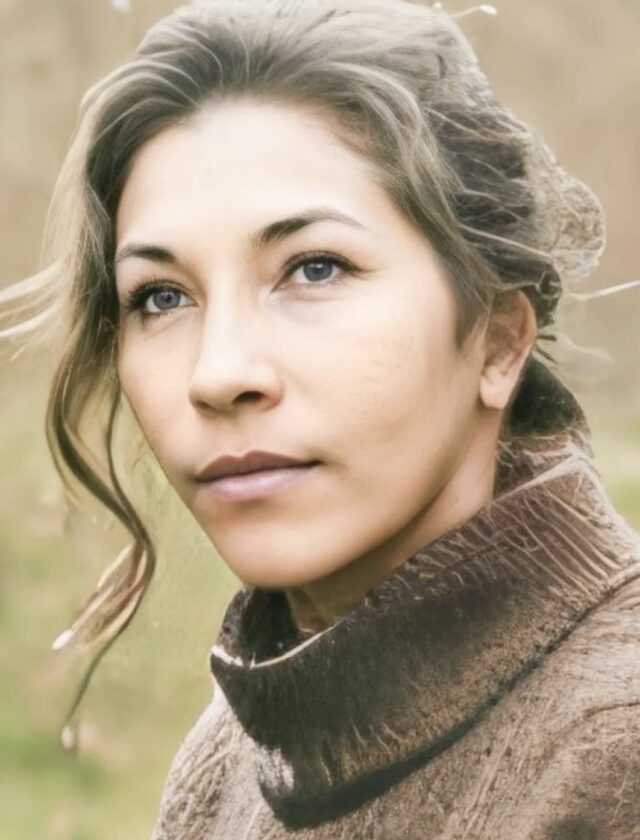
Digital Rendering of Ellery Jane Doe circa 2022

In the movies the investigator with a past linked to the killer pours over the decades-old file and finds the one clue that every other detective overlooked. The “AHA” moment. Loose ends are tied up, the mystery is solved. We get to see it happen, watch their eyes go wide as the puzzle pieces slide into place. We’re in on finally solving the murder.

Roll credits.

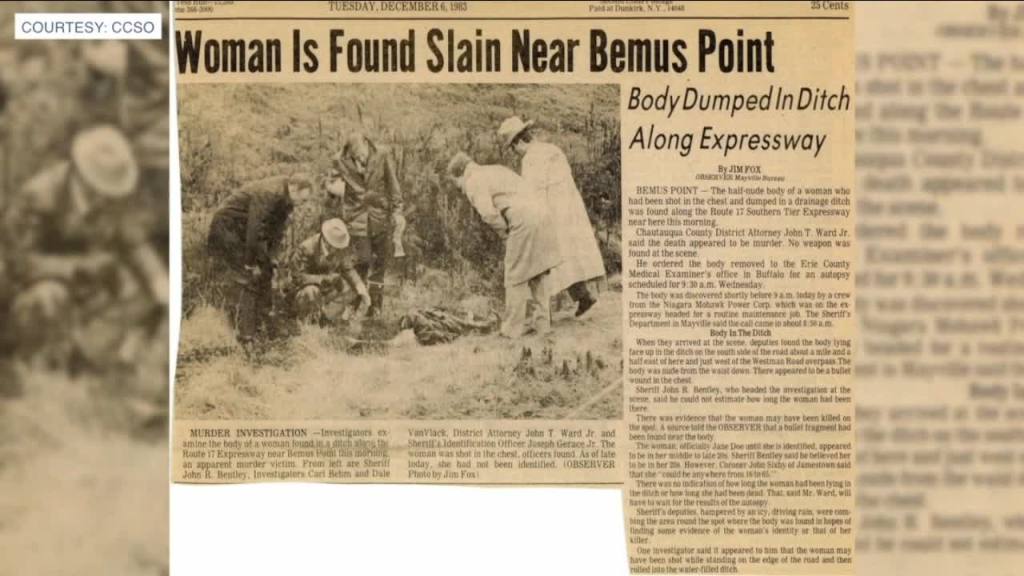
On December 6th, 1983, a woman was discovered by the side of Route 17 in Chautauqua County. The woman was murdered and left in the snow. No identification. No wallet. No name. Nothing.

     Her place-holder name was Ellery Jane Doe.

Forty years later the murder is still unsolved. Her case is open and cold.

The Chautauqua County Sheriff’s Office has revisited the mysterious case of Ellery Jane Doe periodically in the past four decades. Investigators come and go, technology advances, DNA, on-line access to records, social media. But this case is stubborn, it’s eluded answers and frustrated the professionals looking to end a four-score old secret. No one has uncovered a clue that wasn’t previously considered. No one has overlooked a fact, a piece of evidence. There has been no “AHA” moment.

The early 2000s held promise when DNA technology reshaped cold-case investigations. Samples from the body were re‑tested. Forensics added information. Her clothes were European and expensive. She was from Canada or possibly a Scandinavian country. She had at least one child. She had a tracheotomy at some point in her life, and there was a scar behind her ear that indicated she’d had some sort of surgery. Hospital records turned up nothing. The digital rendering of her face was posted on international media.  Profiles were uploaded to national databases.

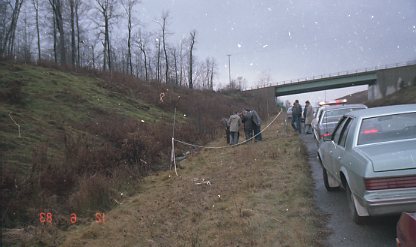
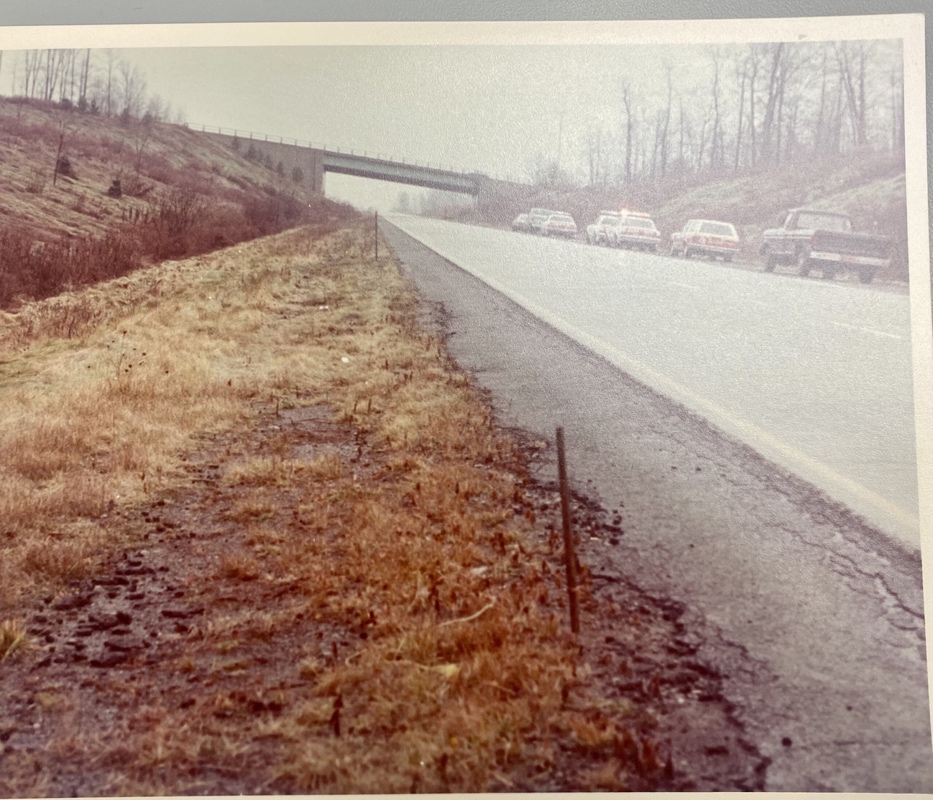
Road Where Ellery Jane Doe was Discovered

Again, nothing. Whoever she was, she left no genetic trail in any official system. Noone has stepped forward to identify her. Not a parent, not a child. Not a friend, a classmate, a distant cousin. Not a coworker who remembers the girl who stopped showing up at a job.

In 2022 the Chautauqua Sheriff’s Office released a new digital reconstruction built with modern imaging tools. The new image was circulated widely online. It sparked a brief surge of attention, but no actionable information emerged. She remains suspended anonymously in the world of the unknown, as if that is her natural state of being.

Jamestown Post Journal Article on Ellery Jane Doe Discovery

There is now a Facebook page dedicated to Ellery Jane Doe (https://www.facebook.com/search/top/?q=Ellery%20Jane%20Doe), and investigators continue to seek answers.

The following is a message from The Chautauqua County Sheriff’s Office:

“Investigators continue to actively investigate the December 6, 1983, homicide of a female who was found shot to death along Route 17/Interstate 86 in the Town of Ellery. When the victim could not be identified she was named “Ellery Jane Doe.”

In the ensuing 43 years since her body was found by a utility crew working in the area, “Ellery Jane Doe” remains unidentified. Advanced forensic analysis of Ellery Jane Doe’s DNA, dental work, and fingerprints here in the United States, Canada, and around the globe has not led yet to her identification, or to the identification of any of her family members.

Following a media release by the Chautauqua County Sheriff’s Office in December of 2025 noting the 42nd year anniversary of Ellery Jane Doe’s murder, the Sheriff’s Office received new leads which are currently being investigated. 

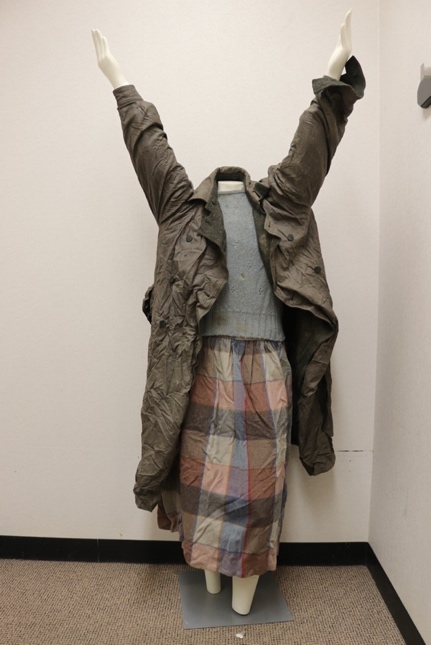
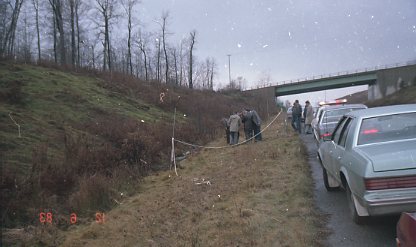
We ask the public to once again look at the forensic artist sketch completed of “Ellery Jane Doe” along with photographs of the clothing she was wearing when her body was found, and a picture of the crime scene. The Chautauqua County Sheriff’s Office would like to speak to anyone who knows the identity of “Ellery Jane Doe” or the person who murdered her.  


Anyone with information about this case is asked to please contact the Chautauqua County Sheriff’s Office Criminal Investigations Division at (716) 753-4578, or via email at Tarpley@Sheriff.us.”

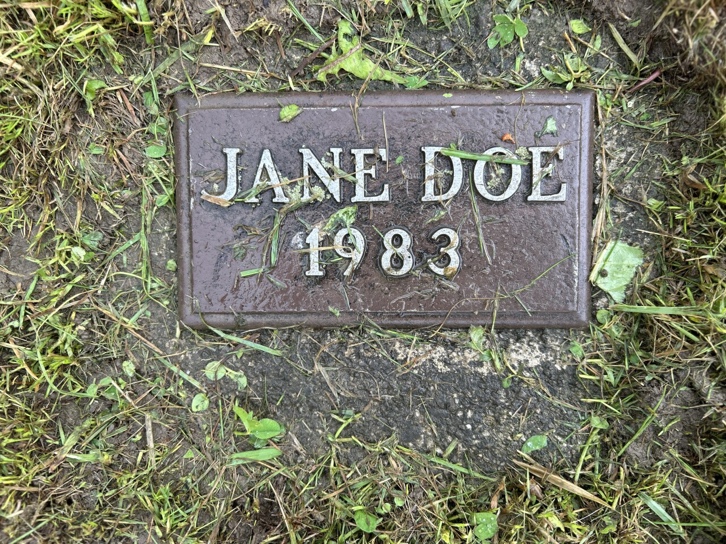
Gravesite Dedicated to The Mystery Woman

The Mysterious Case of Ellery Jane Doe

The Woman With No Name:

The Ellery Jane Doe Case: PART I

On most any normal day the Niagara Mohawk utilities men would have ignored the dark outline lying against the guardrail just past the bridge, concealed under the recent snowfall. This was along Route 17 in Chautauqua County near the town of Ellery, early winter 1983. But something about this snow-covered bundle didn’t look right. Not a dead deer, not a bag of garbage or abandoned household item. It had the shape of a human.

“Is it a mannequin?” Crew member one.

“Got me.” Crew member two shrugged.

They stopped the truck.

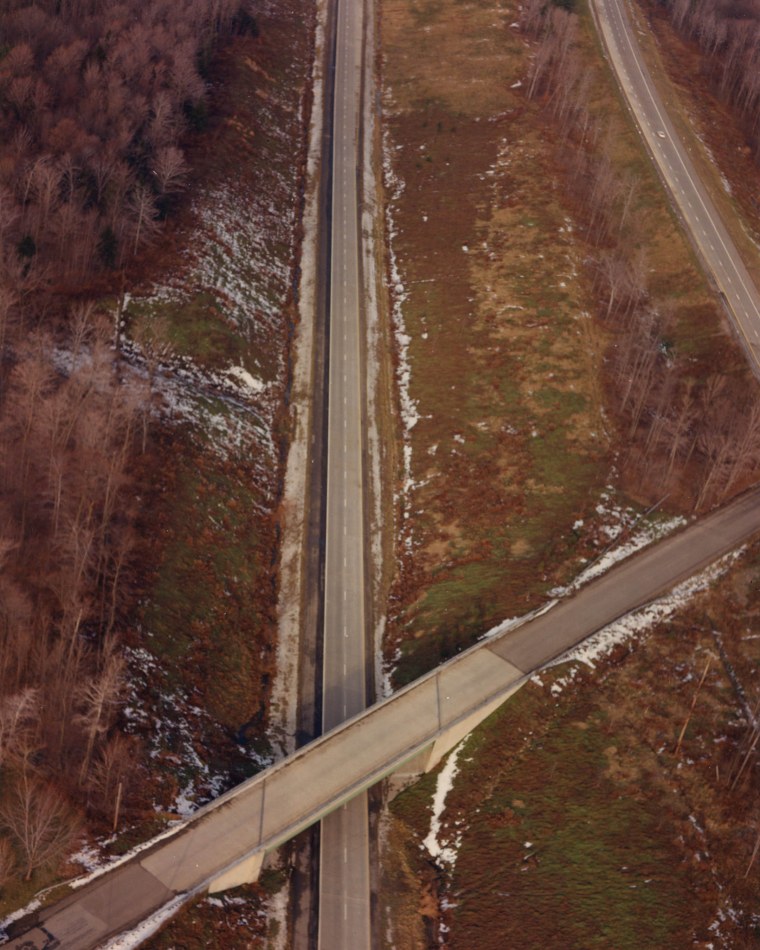
Aerial View Where Ellery Jane Doe was found.

Winter 1983, Chautauqua County was rolling into the high holiday season, Thanksgiving in the sunset and Christmas on the near horizon. Per The Jamestown Post Journal, local fire departments were holding annual elections, the Girl Scout cookie prep season was in full swing. School districts announced education awards and schedules for the 1984–85 school year. The rhythms of the county took on a familiar and peaceful pace.

Until December 6th.

.  .  .  .  .

The Niagara Mohawk truck stopped, the crew jumped out and approached slowly. When they brushed away the crusted snow, they uncovered the body of a woman. No purse. No wallet. No vehicle nearby. No name. Just a dead woman in winter clothes by the side of the road with a gunshot wound to the chest.

In a flash, the area was struck by an act of random, unfathomable, bone chilling violence.

.  .  .  .  .

That moment in the bucolic life of Southwestern, New York, marked the beginning of Chautauqua County’s longest‑running mystery, a case that has outlived investigators, outlasted technologies, and resisted every attempt to give the woman an identity. She became known as Ellery Jane Doe. No missing‑person report matched her description, not in Chautauqua County, not in the surrounding counties, not in the state. It was as if she had appeared out of nowhere.

Chautauqua County Sheriff’s Department Investigates the Site Where Ellery Jane Doe Was Found

The early reports were clinical. Female. Possibly in her twenties. Shot once. Clothing unremarkable. No signs of a struggle at the scene. Found on a lonely stretch of highway in the Town of Ellery, suggesting she had been dumped quickly, perhaps in the dark, by someone who knew the road well enough to stop without being seen.

Investigators canvassed truck stops, diners, and motels. They checked bus stations and border crossings. They compared dental records, fingerprints, and composite sketches.

Nothing. The case file grew thicker; the results lead nowhere.

As leads dried up, investigators commissioned facial reconstruction based on her skull, textured clay, neutral expression, photographed against a plain backdrop. The exercise yielded a clay bust that authorities circulated in law-enforcement circles and local media.

Nothing came from the distribution of the picture.

.  .  .  .  .

As the years passed, the Ellery Jane Doe case stuck in the collective consciousness of law enforcement in and around Chautauqua County, a grain of sand that never took the shape of a pearl. The woman who was murdered so brutally, so mysteriously became a quiet presence whenever her case was revived, her file reviewed.

The county has experienced and digested gun violence and murder before and after Ellery Jane Doe. But the randomness, the lack of context, the callous discarding of a deceased body by the side of a road was, and is to this day, deeply unsettling. Atrocity has a way of permeating every place in the world, but understanding and interpreting motive and the mechanics of violence, the why’s and the how’s, has a way of settling anxiety and fear, of getting us to accept it as possible. “Sure, that’s why that happened.”

Violence without context is alarming and disquieting. The not-knowing reels us in, it includes us. Randomness leaches accountability and inserts us into the narrative that says, I can avoid tragedy if I control what I do and where I go, and who I see.

Or can I?
The Ellery Jane Doe case has motive and reason and accountability. We just don’t know what that is.

Clothing Found on Ellery Jane Doe

The Chautauqua Gorge

If you live in the west part of the county, you’re undoubtedly familiar with the Chautauqua Gorge. It’s 538 acres of state land, easily accessible from launch points from Mayville to Westfield.

For most of the other points of the compass, that natural geological Western New York wonder contains a bit of a mystery. It’s a striking natural feature that has captured the attention of geologists, hikers, and nature lovers, with its rugged beauty, unique geological features, and tranquil atmosphere.

Chautauqua County has an exposed geological record dating back about 370 million years. Chautauqua Gorge is a product of millions of years of geological activity, most of the architecture coming from the forces of glaciation and erosion, continuously sculpted by the flowing waters of Chautauqua Creek, which isn’t done with the mosaic; that estuary continues to erode the underlying layers of sedimentary rock (shale, sandstone, and limestone). These rock deposits were layered in ancient seas over. You can see the 350-million-year history of the area in exposed rock layers, earth’s geological history mapped before your eyes, millennia of erosion, water flow, and natural weathering. It’s a valuable and unique classroom for geologists, offering insights into the region’s prehistoric past and the forces that shaped the Appalachian Plateau.

That geological history also informs an ecological treasure trove, a feature of the gorge. The gorge and the surrounding watershed support a cornucopia of flora and fauna. The cool, damp environment creates a microclimate that is ideal for several species of plants, including ferns, mosses, and wildflowers. The dense vegetation along the creek provides a rich habitat for wildlife, including deer, foxes, and a variety of bird species, from warblers to raptors (it’s a vital corridor for migratory species, providing shelter and food). The creek itself is home to various aquatic species, including brook trout, which thrive in the cold, clear waters. The biodiversity of the gorge adds to its ecological significance, making it a crucial area for conservation efforts.

The gorge is an amusement park for outdoor activities. A short trail leads to an impressive swimming hole, complete with waterfalls that cascade crystal clear (chilly!) water into collecting ponds, with fossils embedded in the shale that frame the creek. There are several trails winding through the gorge, offering varying levels of difficulty for both casual hikers and more seasoned adventurers. Trails are regularly maintained to reduce the impact of human activity on the environment. One of the most popular routes is the Chautauqua Gorge Trail, which follows the creek and provides stunning views of the cliffs and waterfalls.

The creek itself is a draw for anglers, especially those interested in fly fishing. The brook trout population makes Chautauqua Creek a prized fishing spot, particularly in the spring and fall when water levels are higher. In addition to fishing and hiking, visitors can enjoy picnicking, birdwatching, and photography. During the winter months, the gorge becomes a peaceful retreat for snowshoeing and cross-country skiing.

In addition to its recreational value, Chautauqua Gorge has significant educational and cultural importance. The area’s rich geological history makes it an excellent outdoor classroom for students and researchers studying earth sciences. Field trips to the gorge offer hands-on learning opportunities about rock formations, erosion, and watershed ecology. Educators from local schools and universities often bring students to the gorge to study its unique features and to observe the interactions between the natural environment and the wildlife that inhabits it.

Local environmental groups, in collaboration with state agencies, have taken steps to protect the gorge and its surrounding watershed. Efforts to maintain the health of the creek and prevent erosion are ongoing, with projects aimed at stabilizing the banks and removing invasive species that threaten native plants and wildlife.

     The beauty and ecological significance of Chautauqua Gorge make conservation efforts essential for its preservation. Visitors to the gorge are encouraged to follow “Leave No Trace” principles, ensuring that the area remains pristine for future generations. By fostering a sense of environmental responsibility, conservation organizations hope to preserve the natural beauty of Chautauqua Gorge while allowing people to continue enjoying its many offerings.

JOHNNY CASH AND THE KINZUA DAM PROJECT

Today is Johnny Cash’s Birthday 2/26/26

I wrote a piece for THE VILLAGER MAGAZINE (find it here: https://thevillagerny.com/) aboout The Kinzua Dam Project and Johnny Cash’s song “As Long as the Grass Shall Grow.”

Doing the research for the article I contacted Mark Stielper, the historian at THE JOHNNY CASH MUSEUM.

Mark sent me the letter below…it doesn’t have much to do with Kinzua Dam, but it is a nice historical look into Cash and his involvement with the Seneca Nation.

Enjoy the read.

Bill,

Your piece is about Kinzua, not Cash, but I will give you a brief narrative of the latter, and you can cull at your discretion.

Peter La Farge wrote “The Senecas” (the original title of “As Long As…”) in 1962. He was a folk singer and activist. One of his haunts (and where he would die in 1965 at age 33) was Greenwich Village, the scene of his intersection with Johnny Cash. Both men recorded for Columbia Records and, pivotally, they discovered that each had Indian heritage. (They were both mistaken in this understanding of their respective lineages, but at the time, it was a powerful self-identity.)

La Farge’s first album for Columbia was called “Ira Hayes” and Other Ballads (Author note: “The Ballad of Ira Hayes” was successfully covered by Cash and Bob Dylan). It wasn’t really a protest album, but he soon assumed the role of spokesman for Native issues. He was abrasive, caustic, loud and generally unpleasant, which did not serve him or the cause well, and he fell out of favor with his fellow protesters (most of whom were into the civil rights arena anyway and found Indian matters passe).

But La Farge and Cash were birds of a feather, “Indians in the white man’s camp,” as it were. The two fed off each other, but Cash grew more prominent and influential, particularly after his huge hits, “Ring of Fire” and “Understand Your Man.” He became obsessed with the stories of Ira Hayes and the Seneca chief, Cornplanter, via La Farge’s accounts. Cash actually visited Kinzua–he would go on these on location missions frequently–and put “As Long As the Grass Shall Grow” as the first track on side one of the Bitter Tears album.

Now, historical accuracy must trump fanciful legends. It is not true that Columbia refused to release the song. It was 1) not a new song and there was no reason to hide it and 2) as pointed out, it had prominent placement on the album. 

Although “The Ballad of Ira Hayes” was the single release, Cash remained committed to the Seneca song, often pairing the two in performances, including on his network TV show. The line, “Cornplanter, can you swim?” would be a biting counterpart to “the ditch where Ira died” in personalizing the legacies of the two Indians in a way that La Farge’s scattered screeds could not.

Let me know how I can help you deliver on your mission.

Woodscape Art…Brilliance Wrapped in Legacy

He looked at the natural world differently than me and you, most probably, with an artist’s eye. You could tell then -if you saw him cruising the lake shoreline attuned to driftwood, touching trees for texture, skimming wood scraps of fallen lumber for the right shape, the perfect color or grain- that he sought something we didn’t see.

You can tell now by the collection of bark, pebbles, and myriad species of flora stored at the house of his protégé, Greg Wefing.

Cecil Rhodes has been gone for some eleven years now, passed away in 2013. He was a schoolteacher at Maple Grove High School, classically trained in industrial design at the Pratt Institute of Brooklyn, and at teaching at Edinboro University of Pennsylvania. He was also a local legend and celebrated creator of what he called then, and Greg calls now, Woodscape art.

Woodscapes are crafted with different sizes and various species of wood sometimes enhanced with colored stains and paints. They are like three-dimensional paintings. Greg has a collection of his own work, and a few of Cecil’s pieces as well. A Woodscape of Wefing’s has hung the Bemus Village Hall for about thirty years.

Rhodes essentially invented the discipline of Woodscapes in the late 1970’s and early 80’s. He’d been employed in the garment district of New York City for eleven years, a teacher for five more at Maple Grove (his de facto alma mater, graduating from Bemus Point High School in 1950), and a boat repair specialist when he realized he had an aptitude for art, and that wood was his medium.

Cecil Rhodes

“Cecil created from his imagination, I think. He’d get an idea and be able to make a piece. I do mine from pictures I find, usually in calendars and magazines.” Wefing is standing in front of a pile of nature-art planners and mags on a workbench in his basement workshop. Lining the wall are shelves of wood strips and filings of various color and texture. “Something will kind of jump out at me, and I’ll have a new project.”

And then he goes to work, unearthing the raw material that will form his art. Greg is now the person you’ll find in the Bemus area combing the natural world for the right materials to fulfill a vision and build Woodscape art. “Yeah, I’m the guy you see cutting down tall grass or cattails on the side of the road. Or at the lake looking for driftwood, peeling bark off a tree,” he says.

The village of Bemus Point, when you drill down to the locals (that population that spends years in the same place, completing their routines, season after season) is character driven. Cecil Rhodes was semi-famous for his meticulous, detail-driven artwork. Wefing has followed a similar path, building a trove of bas relief art that’s impressive for its detailed craftsmanship and vision. “I worked for Cecil for two or three years while I went to art school,” he says. “Cecil worked mostly with wood tones. I started to add some color to mine. They’re a little different, but a lot of the same techniques, the same process.”

Wefing figures he could knock off a piece in a week if he put in the hours. But he does his art at his own pace. “I usually do about five a winter, down here in the studio, when the weather is bad. I’ve done commissioned work, but don’t really like it. I like to work at my own pace, on my own projects.” He says Cecil’s efforts to mainstream the art wasn’t as successful as his individual creations. “He was thinking we might mass produce some of his pieces, and I was going to be part of that. It never really worked out. His art was pretty special.”

Wefing isn’t really in it for the money (though he could be, his work is that good), but does sell his art, informally, and mostly from his Facebook home page.

CHAUTAUQUA BRIDGE

In October of 1982, 726 athletes lined up in Bemus Point with the goal of crossing the lake and back. The lake was much too cold for a swim. The Bemus Pint Ferry was not an option for a Fall 10K race. Fortunately, these runners had a fresh path, brand spanking new pavement, the Chautauqua County Veterans Memorial Bridge.

There was a time when getting from the southern part of Chautauqua Lake to the upper lake was a logistical chore, Mayville to Jamestown was a journey, more than a grocery run. Routes 394 and 430 wrapped the lake, picturesque to be sure, but cumbersome for anyone in a hurry. This was prior to 1982. A drive from Jamestown to Long Point State Park was a common trip, fifteen miles or so up the north side of the lake.

If you then wanted to tour the southwestern coast, Stowe, Chautauqua Institution, or points south, you had one of three options:

  1. Circumnavigate the lake, back through Jamestown, or north around Mayville.
  2. Drive into Bemus, hope to catch the ferry.
    1. The ferry had to be running that day.
    1. The ferry had to be on your side, ready to go to the other side.
    1. You had to be the one of the first ten or so cars in line.

For an intrastate trip through New York, from the west to east you used the I-90 corridor along Lake Erie, all southern cities, Jamestown, Olean, Corning, and east, were accessible by backroads only. What is now Route I86 as a developed interstate highway wasn’t a priority because of that pesky lake blocking any straight run west to east.

That changed in 1982 with the building of the Chautauqua County Veterans Memorial Bridge.

That Fall 10K race in Bemus, launching the opening of the first non-stop vehicle option for getting from one side of the lake to the other, was forty-two years ago, a long time for a bridge. Now it’s in need of a facelift. Or in lieu of a cosmetic revival, some body work.

Enter New York State Department of Transportation and their checkbook.

The state has earmarked $78 million for renovations and structural work on the Chautauqua County Veteran’s Bridge. Another $4.7 million for the local success routes to the bridge off routes 430 and 394. Work began on the main part of the 3,790-foot main span last summer (2023). It’s expected to be completed fall of 2026.

New York State DOT Commissioner Marie Therese-Dominguez was in Chautauqua recently to oversee the start of the project. “It’s going to enhance safety, it’s going to ease travel and it going to extend the service life of these bridges by another 40 years,” she said.

The work being done probably won’t show itself to the casual observer -new bridge joints, fresh decks, bearings, and repaired steel. The roadway will be resurfaced. On and off ramps will have new barriers.

The noticeable part will be the closures and re-routing of traffic to get the job completed. The plan is to work one set of lanes at a time, and only close the entire bridge for short periods during nighttime. Local officials are of course asking people to be patient with the process and disruptions in traffic.

Commissioner Therese-Dominguez says, “It’s going to take a lot of patience but in the end, I think it’s going to be well worth it.”

Governor Hochul released a statement saying, “To ensure that our communities and our economy in all regions of the state continue to grow and prosper, New York state is making investments to strengthen and harden our infrastructure to meet and exceed the challenges of the 21st Century.”

State Sen. George Borrello, R-Irving, thanked Hochul for recognizing the importance of the bridge and the need to bolster the structure. “She is no stranger to Chautauqua County, no stranger to Chautauqua Lake and she knows the importance of it,” he said. “I want to truly thank her for investing in infrastructure around Chautauqua County, particular, this major, major investment in this bridge over Chautauqua Lake.”

Mason Winfield’s

SPIRIT WAY PROJECT

© MASON WINFIELD 2023 SPIRIT WAY PROJECT 2023:

The paranormal expert/examiner/medium/TV personality steps boldly into the house/barn/cellar/church, the one that locals say is haunted, the site that bumps in the night. An audio-visual crew follows diligently. They pack equipment designed to detect the undetectable, to record the mysteries within; a ghostly apparition, a supernatural aura, a sixth sense.

And…CUT

PRINT

Mason Winfield has a deep and abiding interest in the paranormal. It’s been his life work (as evidenced by his vitae on his website http://www.masonwinfield.com). He’s a lecturer, author, storyteller, scientist. He is not, by his own reconning, a “ghost-hunter.” If there’s a profession that informs and directs his attention and talents, it’s probably best described as “Truth Seeker”.     

He believes it’s time for the industry to innovate, to broaden its influence. “If there’s a possible way to the truth, you have to take it, don’t you?” he says.

To accomplish this, Winfield seeks to employ a field of multidisciplinary professionals, people different in cultural and thematic sensibilities, to explore ancient spaces, areas of the northeastern United States that have universally experienced what he calls “EHE”, Exceptional Human Experiences. “Why do people say they see the thigs in the paces they do?” Winfield asks.    

It’s a query he hopes to answer with The Spirit Way Project.

Designed like the popular European group The Dragon Project, The Spirit Way uses the resources of scientific and paranormal disciplines to research the undeniably interesting and real world of EHE.

Winfield says, “The reality-TV paranormal industry typically studies buildings no more than a century-old–as though haunted sites are sensational and rare, no more original ones can be found, and paranormal sightings occur only indoors. It also barrages us with two perspectives, either intuitive–psychic–insights or surveillance ghost-hunting, as though using electronic and digital instruments as a glorified Ouija board is some objective avenue to the truth–and no other avenues of insight are available.”

Differentiating from the television shows you night have seen, The Spirit Way is basically a two-fold approach to supernatural investigation; using ancient resources to identify sites of EHE that have survived and inspired humans for centuries (think Native American history and collective consciousness), and to coordinate with any and every discipline to develop a coherent and multi-faceted theory of those experiences. So far, the group has employed:

A Feng-Shui Master, an Algonquin Elder, an African-American psychic medium, an author/researcher/paranormalist, a psychologist, two master dowsers, local scholars, historians, anthropologists, geologists, First Nations leaders, aerial surveillance experts, and team of paranormal investigators.

The goal of the team is to examine sites of reported Exceptional Human Experiences through the disciplines of geometry, shape (symbolic form), geology (earth-energies), archaeo-astronomy (an awareness of sunrises, moonrises, equinoxes, and solstices), and alignments across broad stretches of landscape to suggest codes if not messages.

“It’s been a challenge. There are no upstate surveys of supernatural events; national, but not local. All anyone can agree on is that these monuments had sacred function–and that, like Stonehenge and the Great Pyramid and a worldwide league of others, they are paranormal sites. In their proximity, people report exceptional experiences. Just like a haunted house–though vastly grander and more profound–these ancient American sacred sites get a lot of ghost stories.”

Winfield lives in East Aurora, and understands the newer supernatural phenomenon in Western, New York. Along with his partner, and co-founder of The Spirit Way project, Algonquin Elder Michael Bastine, who Winfield calls one of the best teachers in the world on the subject of native supernatural history, the goal is to broaden the scope of their studies to the ancient world.

“The ancient monuments of the British Isles have been preserved and studied,” Winfield says,” We want to start a new model of north American haunted sites, ancient places, not buildings, hut rather the outdoor sites, real study from different perspectives.”

The Spirit Way will start with a program of fifteen YouTube episodes in New York State.

Winfield concludes, “There is more to the paranormal. The Spirit Way Project (SWP) believes it’s time for a revolution. We think the public thirsts it.”

Home of Lucy Hosts The Babe!

The little league baseball field at Celoron Park sits by the Chadakoin River that drains Chautauqua Lake on its southern end. Hit a baseball far enough into right field there and it could theoretically, eventually, spit out in the Gulf of Mexico some eleven-hundred miles downstream. The field is built for little league players, shortened base paths and pitcher’s mound. It’s also, as legend has it, where Babe Ruth once stood and hit a baseball into the Chadakoin River, some five hundred feet from home plate.

Except that isn’t exactly the place. The Babe belted the celebrated ball, but not quite where kids hit baseballs today. And he only did it in batting practice, not in an actual game.

Jump in your car, drive to the village of Celoron. Take the low roads, close to the water. From the west, you’ll trace the southern basin of Chautauqua Lake along Lakeside Drive, rounding onto Jackson Avenue. Keep your eyes and imagination open, lay all this land bare, take out the lakefront houses on Longview Road, take out Ellicott Shore Apartments. Take out the streets, take out the trees. Turn those acres into a vast island of green grass. Now put up a grandstand and a backstop, place bases ninety feet apart in a square, a mound sixty-feet, six-inches from the plate. Here you have Celoron baseball park circa 1921, when The Babe came to town.

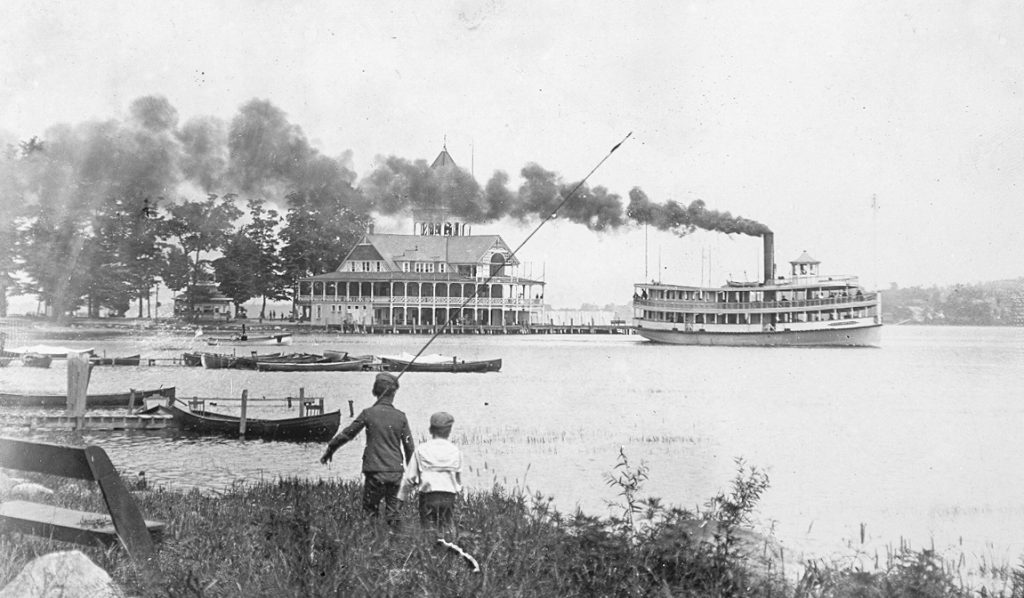
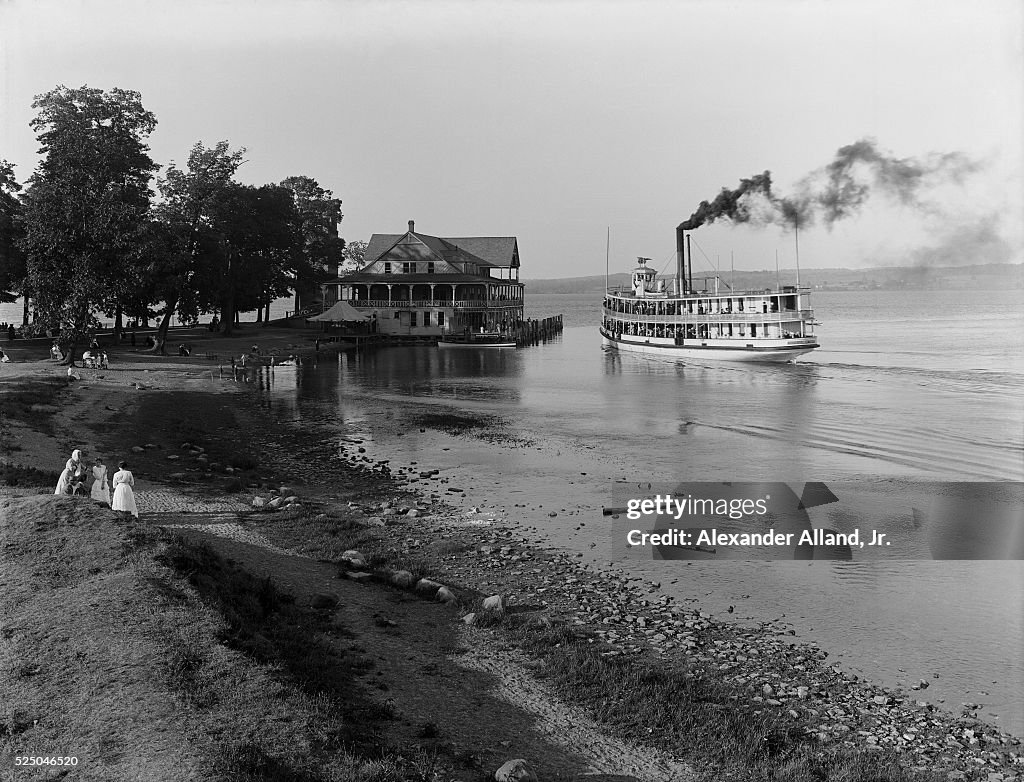
When travel was more cumbersome than it is today, Western New York emerged as a convenient stop between Cleveland, Erie, and Buffalo. Celoron Park opened in 1895 and featured, at various times four major hotels and fifteen rooming houses, a bathhouse three stories tall with three toboggan slides, a barber shop, a hundred and fifty dressing rooms, a bowling alley, billiards rooms, shooting gallery, ice-cream parlor, an auditorium with Turkish spires five stories high that seated almost nine thousand. In the winter the floors were flooded for ice skating. A Theaterextended over the water and hosted dances, stage performances and vaudeville acts. The Phoenix Wheel, the world’s largest Ferris wheel, was ten stories tall with twelve cages, able to hold 168 thrilled passengers. The wooden Greyhound Roller Coaster hadthree loops and six-thousand lights.

George Maltby is the Celoron Park supervisor in 1921. He’s small, maybe 5’5”, wispy and fidgety, in charge of programming. He’s known locally for his bright attire, belted high-waisted jacket with wide lapels, narrow trousers, bright white suspenders, herringbone fedora, and deep red sideburns and mustache. He is the man most responsible for the headline in the Jamestown Morning Post October 18th; Babe Ruth To Play Here, and below that, Home Run King, Bob Meusel And Piercy In Exhibition Game At Celoron Tuesday. It is a big undertaking to bring an attraction of this size and importance to Celoron, but Mr. Maltby, after posting a big guarantee decided to take a chance. Celoron Park will be filled to capacity, packed with men in double-breasted vests and single-breasted jackets, boys in knickers and flat hats, women in flapper dresses, drape hats, and bobbed hair. Horses, carriages and Model T’s clog the street. The ten-story Ferris wheel towers over the exhibition, patrons with vintage folding Kodak cameras ride to the top and record the spectacle, 1920’s version of a drone fly-by. The bustle is electric, dampened only by a light rain, muffling voices and footprints. Steamboats unload more Roaring 20’s characters at a huge public dock.

The game is anti-climactic compared to the spectacle and the memories. The big man does indeed hit a ball into the lake, but it’s during batting practice. A young boy retrieves the ball, keeping it from the thousand-mile journey to salt water.

Celoron today is a moderate lake-side city, roads lightly traveled, simple commerce and functional government buildings replace the epic bounty of Celoron Park. But the lake and the Chadakoin are the same as that day in 1921, with newer water; the steadfast shores, the current flow and shape of the outlet are fixed.

And if you listen close, the waters whisper of great days past, confident in its pedigree. If it could talk it might tell a story about the days when Celoron Park ruled the world of entertainment, and that day in October almost a century ago, when the Sultan of Swat stormed its shores.

Chautuaqua Lake Sailing Challenges

Printed in The Villager May 2024

Were you passing on I-86 across the Chautauqua Memorial bridge last Monday morning, you would have been challenged to keep your vehicle between the narrow cement barriers that funnel traffic from the work being done on the overpass. In the water, the scene looked like the run-up to a catastrophe.

A large sailboat, named Trumpeter, sails stowed, steamed toward the center underpass, the highest point of passage under the bridge. The boat listed precariously to the starboard. If you weren’t familiar with the design of sailboats, their ability to heel at severe angles balancing tall masts with underwater keel and rudder, you’d be forgiven for believing you were about to witness the capsizing of the vessel.

But Trumpeter was under complete control by her captain, Greg Swan, principal owner of Ready About Sailing, the marina and boat sale business based in Celoron. She was tipped on her side intentionally, using 1,100 pounds of sandbags and four hearty shipmates to pass under the bridge whose clearance has now been reduced to 34’8” from its original 40’2”.

“Most of the twenty or so larger sailboats on Lake Chautauqua are stored at Ready About Sailing marina in Celoron during the winter,” Greg says. “In the Spring, we launch the boats, raise the masts, and then the boats are transported to the north basin where they are moored or docked for the summer. These sailors have always enjoyed free passage beneath the bridge.”

Deadheading sailboats from one basin of the lake to the other used to be a relatively easy process. Not anymore.

“The bottom line here is that the engineers that designed the bridge reconstruction project apparently failed to do their due diligence when deciding how the safety netting would be erected under the bridge to catch anything that might otherwise fall into the lake. They apparently did not consider sailboats during the design phase.”

The safety netting has lowered the clearance under the bridge by nearly 5 ½ feet. A sailboat that once had six feet of room under the bridge at flood level, now has less than one. And it will take some brilliant and daring seamanship to get from one side to the other until that clearance is lifted, which, according to New York State, won’t happen until the bridge is completed, a two-to-three-year period if every single thing goes according to plan.

Greg says,” What we are left with is an obstruction to sailing the full length of the lake for the duration of the bridge project.”

In order to transport his larger sailboat, Greg had to be creative and rely on his considerable boating skills to get Trumpeter to the north basin mooring. This was with the lake about two feet below flood level. A higher lake level or more wave and wind action would make the maneuver nearly impossible. “You’ve essentially taken half the lake away for use from these size boats,” Greg says.

     There are twenty or so such sailing vessels he knows of that use the lake (well, now, half the lake). “The obstruction at the bridge has already caused multiple long-time Lake Chautauqua sailors to decide to sell their boats and give up the sport. This is tragic, especially since it could have been prevented if the right questions were asked to the right people before starting construction.”

The netting was a multi-million-dollar part of the overall bridge project, a necessary safety design to keep boaters safe from inevitable falling debris. Greg contacted the Department of Transportation in Buffalo to look for a solution. They were receptive, empathetic, but no help. “As the netting system was designed, there would be no way to remove the netting from even a single span to allow for sailboats to pass. And, the DOT has decided that it would be too expensive to retrofit.”

The NYS DOT was contacted for clarification. Here is the response from Susan Surdej, Assistant to Regional Director and Regional Public Information Officer for New York State Department of Transportation, Region 5:

The bridges carrying Interstate 86 over Chautauqua Lake are 100 percent safe for motorists.  Out of an abundance of caution, the Department is re-evaluating plans for the safest, most efficient removal of concrete from the bridges carrying Interstate 86 over Chautauqua Lake. Occasional overnight closures are expected with a project of this size, but there are currently no plans for long-term closures. NYSDOT will keep the public apprised on any changes in the construction schedule once the evaluation is complete. 

There was no response addressing the sailboat issue.