PART II
Here’s what’s happened since; see Part I for the origin story.
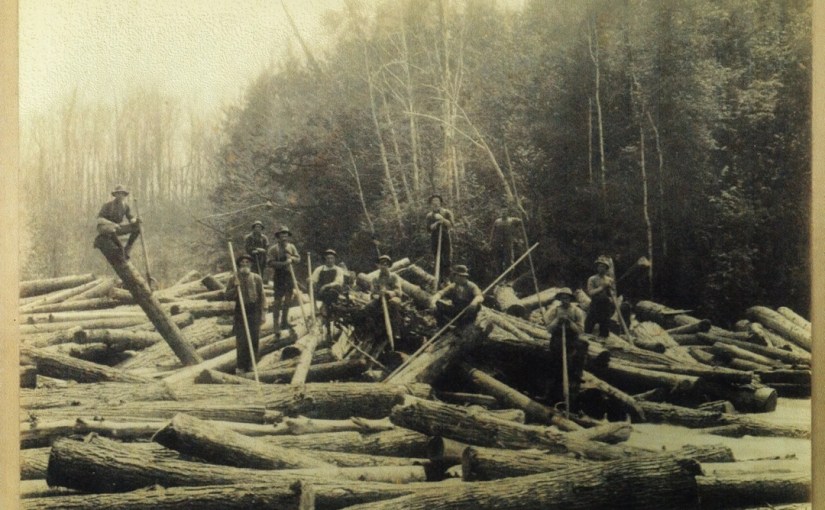
First thing European settlers did when they populated the area was cut down hardwood trees around the lake -lumber for local building, but mostly for selling in Pittsburgh, floating them down the glacial biult waterways; Chadakoin to Cassadaga Creek to Conewango Creek to the mighty Allegheny.
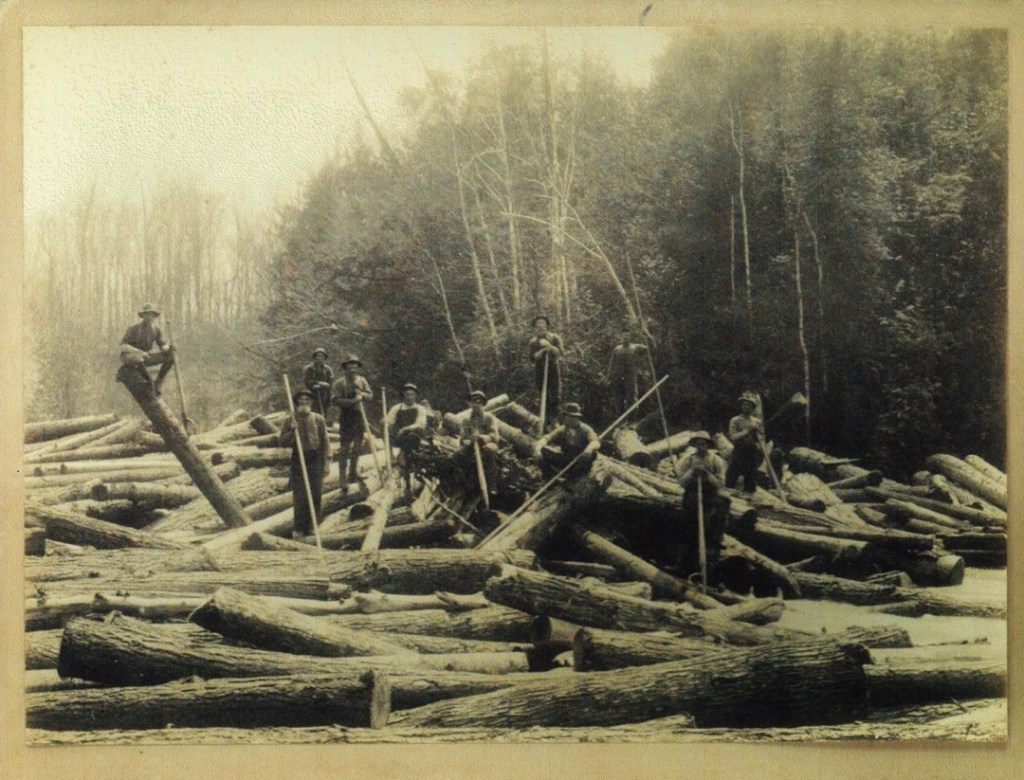
Logging On Chautauqua Lake
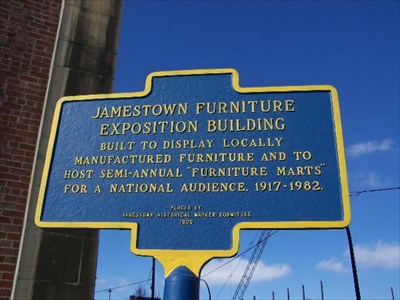
And to make furniture.
Jamestown rose to national prominence in furniture manufacturing because it sat in the middle of immense timber reserves, water power for sawmills, and early access to railroad lines. The area attracted a large influx of skilled Swedish woodworkers whose craftsmanship shaped the industry from the Civil War through World War I. Chautauqua County was particularly suited for furniture-making and lumber commerce.
But that was a burden on the lake.
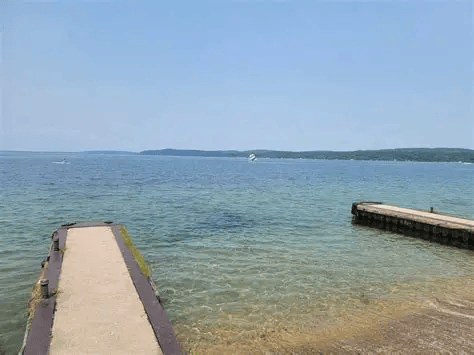
When the surrounding forests were razed, potash fires dotted the hills surrounding the lake, burning through the scraps. Rainfall, suddenly unimpeded, rushed downhill carting soot and ash and unimpeded or filtered sediment.
That was the start of man-made lake deterioration.
Today the watershed surrounding the lake is a patchwork of lawns, driveways, parking lots, and storm drains, all designed to get water into the lake as fast as possible. Wetlands once slowed the flow; now gutters, and pipes accelerate it. Forests once filtered sediment, now pavement is an express lane for it and the chemicals it harbors.
Enter the invasives.
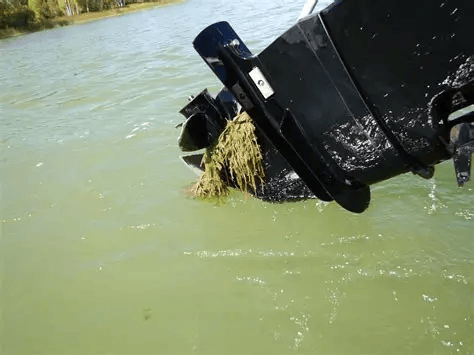
Invasive Plants Clog The Southern Basin
Causing Hazards For Lake Entertainment
Disturbed water, rich nutrients from off-runs, and plenty of sunlight was the botanical invitation for Eurasian watermilfoil and curly leaf pondweed. These plants grow like…well…weeds. Milfoil breaks up and scatters at the slightest disruption from boat props, storms, and mechanical harvesters. Each fragment is a new plant. CLP grows early, peaks early, and then collapses in June, dropping nutrients into the water and promoting harmful algal blooms that populate the lake. The invasives do exactly what the conditions encourage them to do; they build thick beds for their survival and proliferation. The weed beds trap sediment. Trapped sediment warms the water. Warm water favors algae. Algae shade out native plants. Native plants decline, leaving more room for invasives. They eat up the oxygen in the lake water, starving and strangling fish and other lake life. It’s a self-sustaining loop, nature at its corrosive best.
The southern part of Chautauqua Lake bears the brunt of this cycle, a natural basin with an unnatural workload. Sediment and man-made nutrients from fertilizers, lawn products, and commercial cleansers enter the lake through erosion, tributaries, stormwater, and disturbed soil bases. The south basin is shallow (average depth is only 11 feet) slow‑moving, and at the end of the natural flow of the lake, north to south. Fine particles from the deeper northern basic settle when they hit the shallows. Storms deliver more material than the basin can flush. Warner Dam regulates the outlet, but the geometry of the lake itself favors the settling of deposits on the lakebed.
Sediment is not just mud and soil; it’s phosphorus, and nutrients. Those are raw materials for weeds, algae, and the slow filling‑in of the lake. The Army Corps of Engineers calls sedimentation, nuisance vegetation, and harmful algal blooms “linked degradation pathways,” meaning the lake is stuck in a feedback loop of our own making.
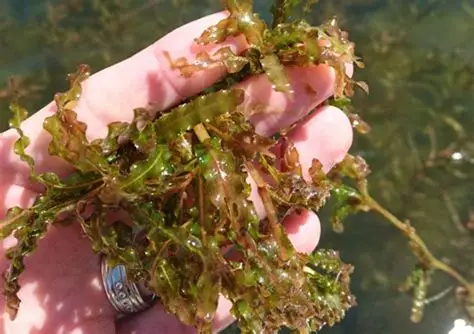
Invasives Proliferate in Chautauqua Lake
A newer burden on the lake ecosystem is the changing climate. Extreme rain events are now recurring. Heavier storms mean more erosion, more sediment, more nutrients, more weeds. This is now a documented trend in the watershed. Low water years, like 2023–2024, let sunlight reach deeper, warming the water and accelerating plant growth.
The lake’s vulnerability is natural; the crisis‑level is man‑made.
Chautauqua Lake is not failing. It is responding. It is doing what lakes do when forests disappear, wetlands shrink, storms intensify, and invasive plants gain a foothold. The lake would have filled in slowly over thousands of years. Instead, man has sped up the clock.
The future depends on whether we can interrupt the loops. Restore wetlands. Slow runoff. Reduce nutrient inputs. Treat the watershed as a living system rather than a drainage basin.
The problem is man-made. Is the solution?

