ELKO AND THE KINZUA DAM PROJECT

 PART II

The Erasure of The Town of Elko, Cattaraugus County

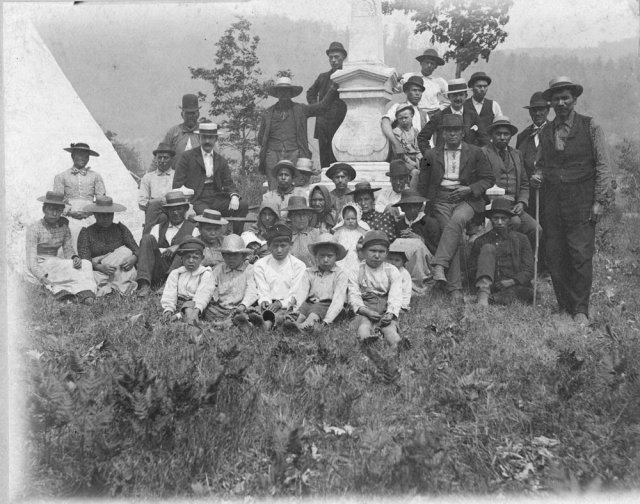
They stood to the side, each waiting his turn in this muddy, rainy, sad place. They shook their heads absently, involuntarily, in mute objection, careful not to make eye contact with the others loitering at the rusted cast-iron fence encircling the graveyard. They stood in quiet witness as their ancestors were exhumed, loaded onto a truck, and swept from their not-so-final-after-all resting place. There was a hum of sadness, dampened by helplessness, fury, and simple confusion.

Eminent Domain. It’s an unapologetic, legally convenient sledgehammer. It’s a piece of paper that’s handed to you, at your front door, from an official in a sharp suit, white collar, and soft hat. It’s a thief in the night. A cudgel. It’s a bulldozer ripping up your house, your white picket fence, your vegetable garden, and your heart.

It’s what you get when you’re in the way.

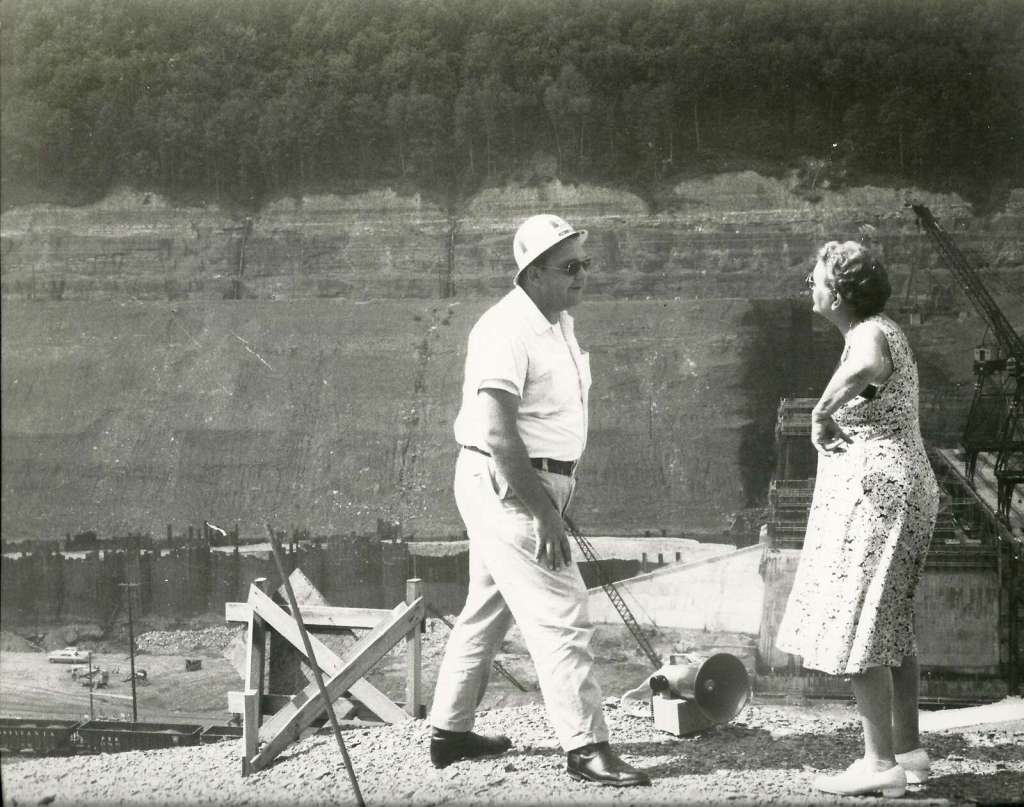
A Citizen of The Allegheny Valley Confronts a Kinzua Dam Project Worker

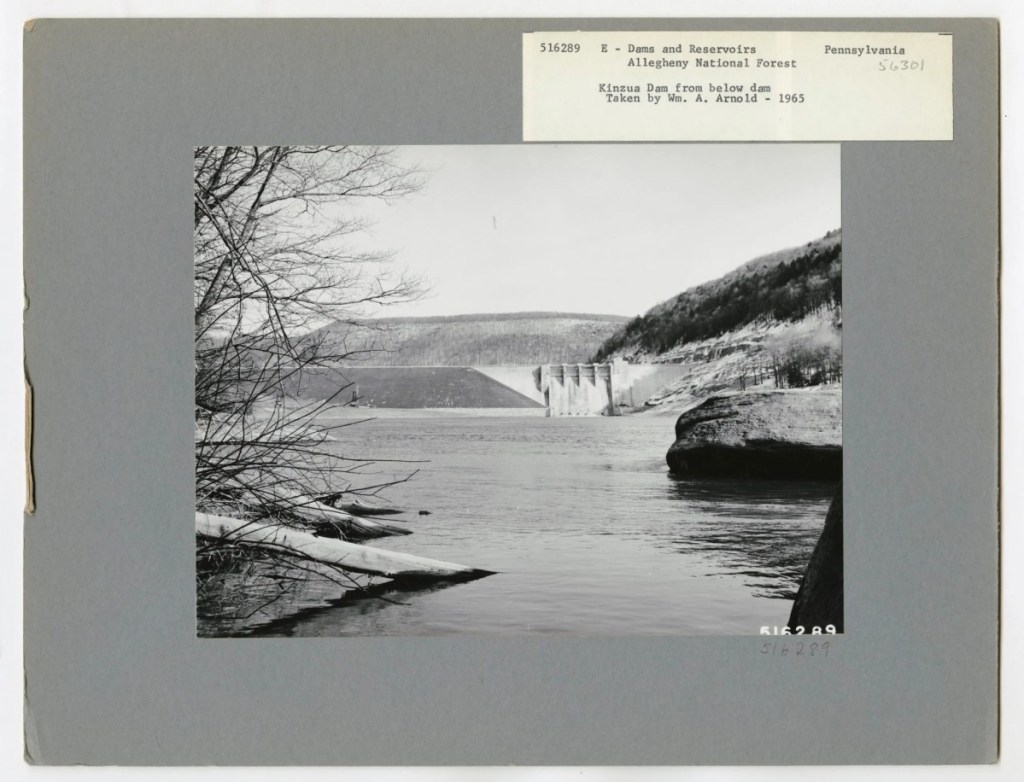
The Allegheny River valley had been inhabited for centuries by the Seneca Indians, then European settlers. It was a rural oasis filled with orchards, hunting grounds, fishing spots, family farms, small towns with hardware stores and churches. Then the Kinzua Dam was built, the water rose, and those places were entombed beneath a lake. The local knowledge disappeared; a populated landscape became a memory.

      Before the flooding began, the Army Corps of Engineers conducted surveys to locate every known cemetery and individual grave that would be destroyed when the dam went into operation. They worked with non-native families, churches, and the Seneca Nation to identify descendants and next of kin. Grave markers were cataloged, photographed, and mapped. Headstones were moved when possible; otherwise, new markers were provided.

Licensed funeral directors and contracted crews carried out the mass disinterment. Remains were placed in new caskets or containers to be moved. Personal items buried with individuals were reinterred unless families requested otherwise. Families were given the option to choose a new burial location if they wished.

     What else were they supposed to do?

Public memory focuses on the Seneca displacement and their fight with the government for the right to keep their land above water, all the way to the Supreme Court. They appealed directly to President Kennedy.

     But a dam doesn’t discriminate. The non-natives, citizens of Elko, Kinzua, and Morrison, had no ground to stand on when the government came calling with their pieces of paper, no one advocated for them, no treaty protected their rights to keep their land, to leave their people buried in the place they wanted. The Kinzua project drowned a valley that had sustained people for generations. It demonstrated how easily federal priorities, in this case Cold War flood control, could override local lives.

Public Outcry over the Controversial Construction of The Kinzua Dam

     Elko residents in particular suffered. The town was declared uninhabitable by decree, its government dissolved. Property deeds were voided. Houses were condemned, bought out, or bulldozed. People who had expected to pass their land to their children instead watched surveyors mark it for destruction. Entire neighborhoods were boxed up and scattered across Cattaraugus County and beyond. Even the name Elko was removed from maps, as if it had never existed.

This is not a tale from early American homesteaders. It happened in 1960. It happened in Cattaraugus Conty. It happened to people our parents and grandparents might have known. It happened to roads in Elko that led to and from the post office, the grocery store. To neighborhoods that hosted block parties and garage sales, to church picnics, to BINGO, to the park with its gazebo and summer bands and ice cream. To roads that brought Christmas carolers, where you walked your dog, strolled under streetlamps and caught fireflies.

By 1965 all those roads ended in water.

Forever Ain’t What it Used to Be. George Washington and The Kinzua Dam

The Senecas hold a Day Of Remembrance every year to honor the spirits of those who passed during that time, and to make sure that such a tragedy never happens again.

     The non-natives of the Allegheny Valley hold no such ceremony.

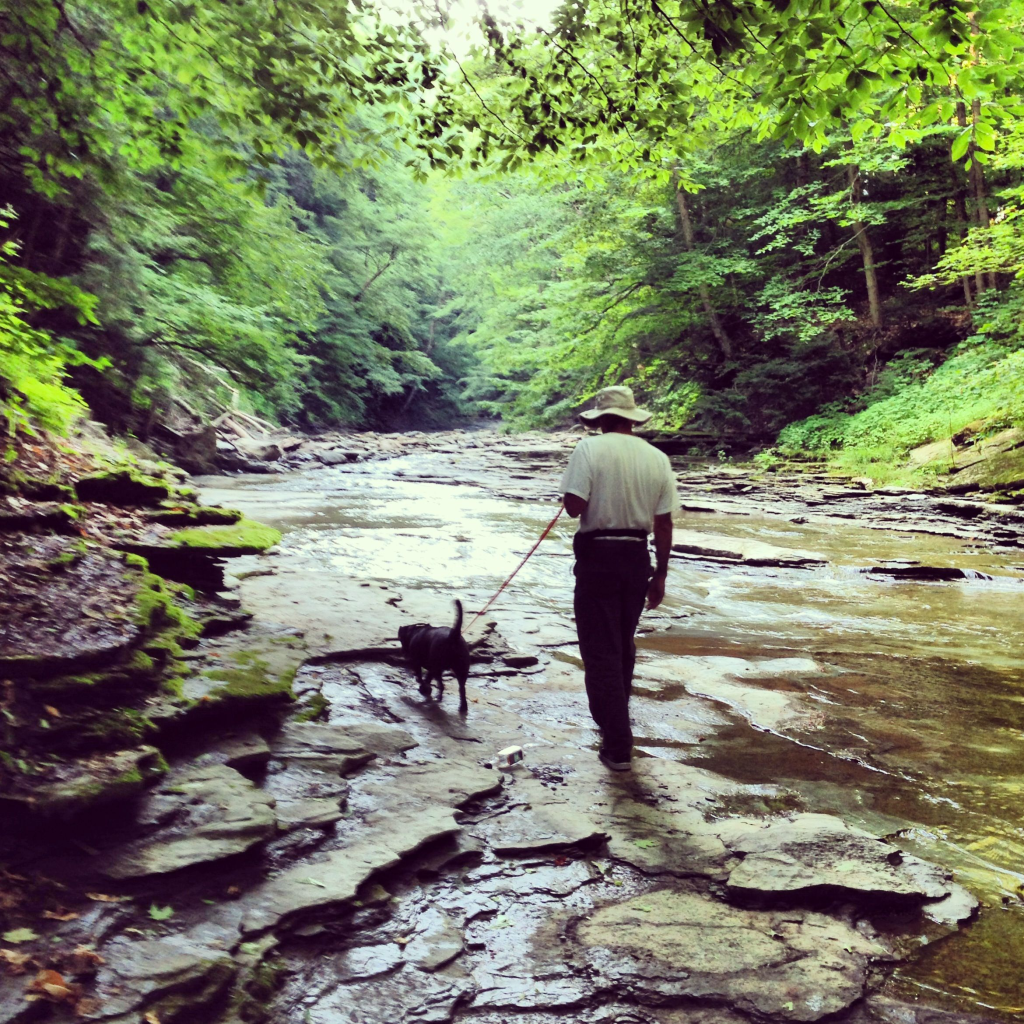
The Chautauqua Gorge

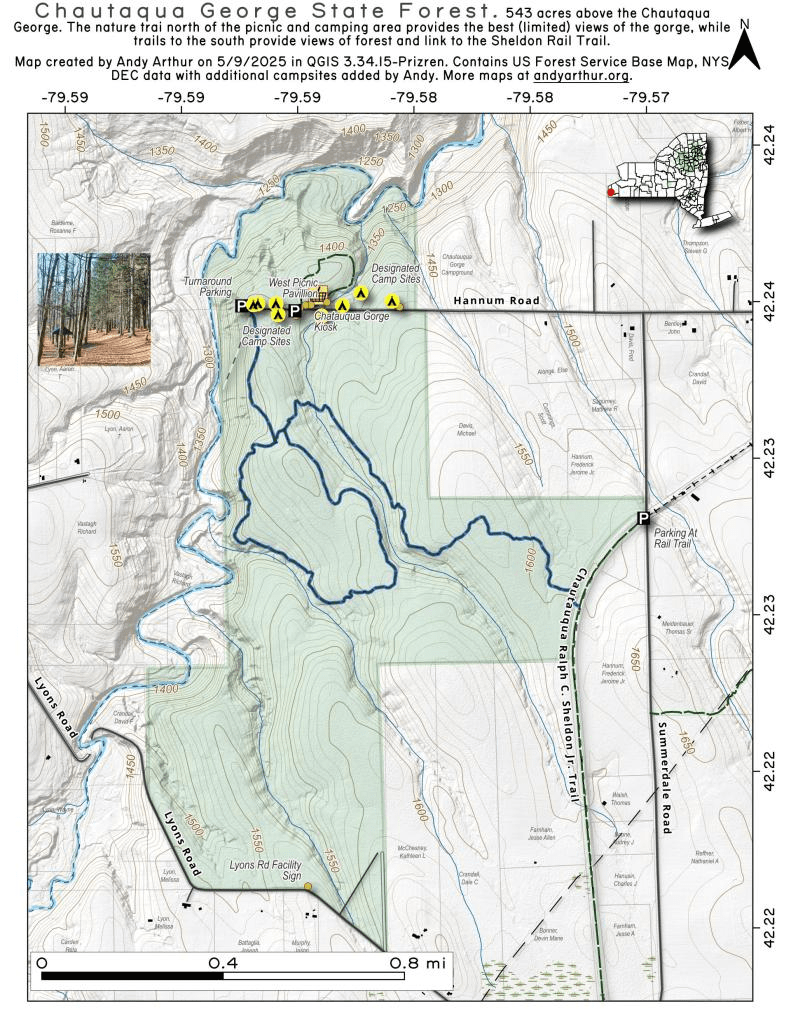
If you live in the west part of the county, you’re undoubtedly familiar with the Chautauqua Gorge. It’s 538 acres of state land, easily accessible from launch points from Mayville to Westfield.

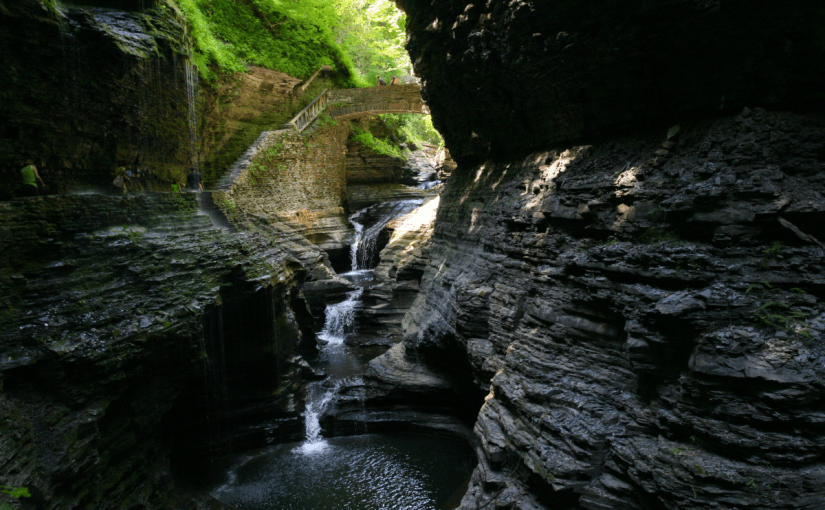
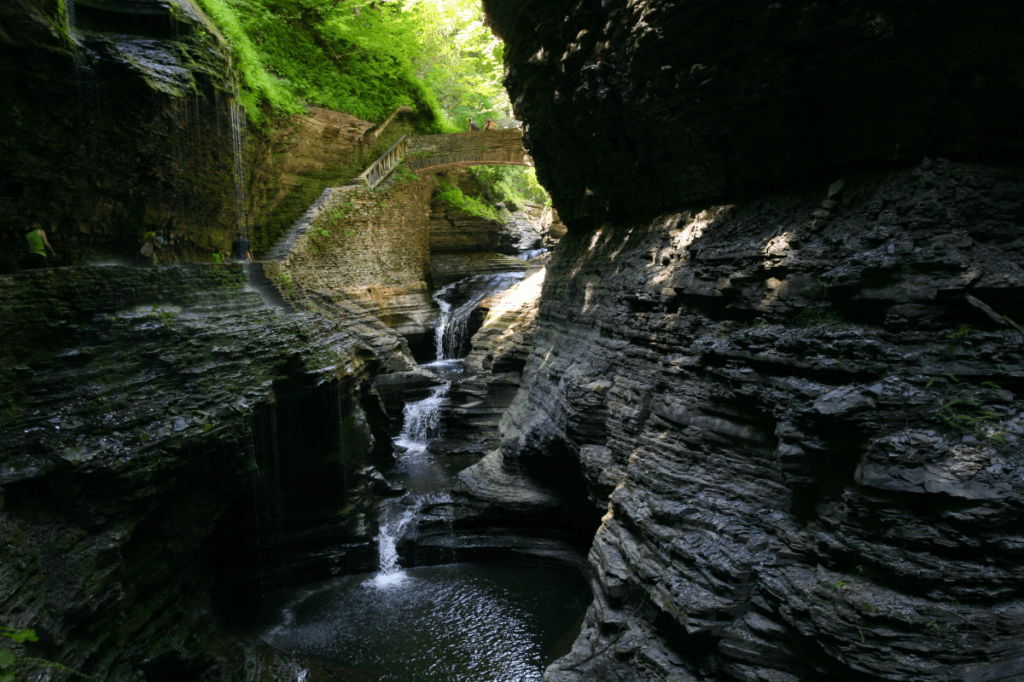
For most of the other points of the compass, that natural geological Western New York wonder contains a bit of a mystery. It’s a striking natural feature that has captured the attention of geologists, hikers, and nature lovers, with its rugged beauty, unique geological features, and tranquil atmosphere.

Chautauqua County has an exposed geological record dating back about 370 million years. Chautauqua Gorge is a product of millions of years of geological activity, most of the architecture coming from the forces of glaciation and erosion, continuously sculpted by the flowing waters of Chautauqua Creek, which isn’t done with the mosaic; that estuary continues to erode the underlying layers of sedimentary rock (shale, sandstone, and limestone). These rock deposits were layered in ancient seas over. You can see the 350-million-year history of the area in exposed rock layers, earth’s geological history mapped before your eyes, millennia of erosion, water flow, and natural weathering. It’s a valuable and unique classroom for geologists, offering insights into the region’s prehistoric past and the forces that shaped the Appalachian Plateau.

That geological history also informs an ecological treasure trove, a feature of the gorge. The gorge and the surrounding watershed support a cornucopia of flora and fauna. The cool, damp environment creates a microclimate that is ideal for several species of plants, including ferns, mosses, and wildflowers. The dense vegetation along the creek provides a rich habitat for wildlife, including deer, foxes, and a variety of bird species, from warblers to raptors (it’s a vital corridor for migratory species, providing shelter and food). The creek itself is home to various aquatic species, including brook trout, which thrive in the cold, clear waters. The biodiversity of the gorge adds to its ecological significance, making it a crucial area for conservation efforts.

The gorge is an amusement park for outdoor activities. A short trail leads to an impressive swimming hole, complete with waterfalls that cascade crystal clear (chilly!) water into collecting ponds, with fossils embedded in the shale that frame the creek. There are several trails winding through the gorge, offering varying levels of difficulty for both casual hikers and more seasoned adventurers. Trails are regularly maintained to reduce the impact of human activity on the environment. One of the most popular routes is the Chautauqua Gorge Trail, which follows the creek and provides stunning views of the cliffs and waterfalls.

The creek itself is a draw for anglers, especially those interested in fly fishing. The brook trout population makes Chautauqua Creek a prized fishing spot, particularly in the spring and fall when water levels are higher. In addition to fishing and hiking, visitors can enjoy picnicking, birdwatching, and photography. During the winter months, the gorge becomes a peaceful retreat for snowshoeing and cross-country skiing.

In addition to its recreational value, Chautauqua Gorge has significant educational and cultural importance. The area’s rich geological history makes it an excellent outdoor classroom for students and researchers studying earth sciences. Field trips to the gorge offer hands-on learning opportunities about rock formations, erosion, and watershed ecology. Educators from local schools and universities often bring students to the gorge to study its unique features and to observe the interactions between the natural environment and the wildlife that inhabits it.

Local environmental groups, in collaboration with state agencies, have taken steps to protect the gorge and its surrounding watershed. Efforts to maintain the health of the creek and prevent erosion are ongoing, with projects aimed at stabilizing the banks and removing invasive species that threaten native plants and wildlife.

     The beauty and ecological significance of Chautauqua Gorge make conservation efforts essential for its preservation. Visitors to the gorge are encouraged to follow “Leave No Trace” principles, ensuring that the area remains pristine for future generations. By fostering a sense of environmental responsibility, conservation organizations hope to preserve the natural beauty of Chautauqua Gorge while allowing people to continue enjoying its many offerings.

The BLIZZARD Of 1977

A winter like the old days.

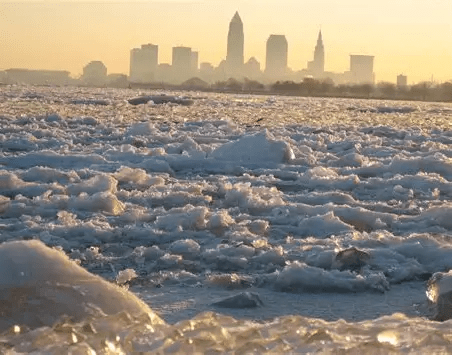
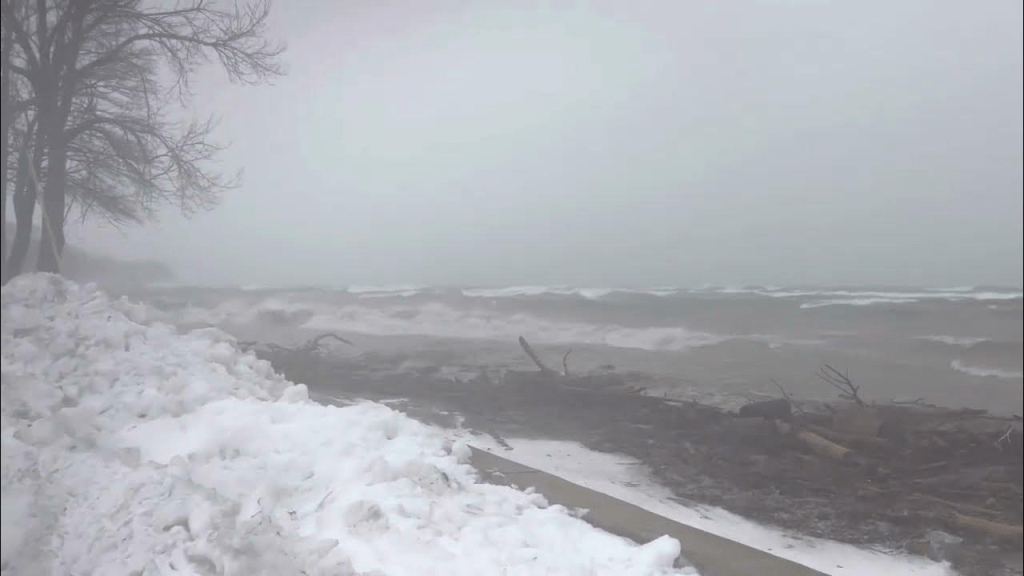
Lake Erie froze solid December 16th, 1976. That’s early. It happens, earlier some years, but the lake almost always thaws after that at some point. We use Lake Erie’s surface status as a snowfall predictor. A solid Lake Erie usually means a milder winter; annual nor-eastern winds skim over the ice instead of pulling moisture and turning it into pregnant snow bands. A liquid Erie generates familiar snow bands and squalls, winters that turn a hundred inches of snow into two hundred.

In 1976 the lake froze and stayed that way, the traditional harbinger of relatively mild snowfall for counties bordering the great lake. The difference in ‘76 was an unusually heavy snowfall over the lake. Precipitation that would normally melt, accumulated on the lake’s surface, deep, wispy, light snow.

January of 1977 was the coldest month on record in Western New York to that date, averaging 13.8 °F. There was no melt, anywhere, and snowfall throughout the month, though not overwhelming, was steady. Bufalo had fifty-nine inches by the middle of January. There is no reported total snowfall for Jamestown, Dunkirk or Olean prior to the storm, but all three cities had over a hundred forty inches after the blizzard hit.

And the snow on Lake Erie was piled high…too high.

Thursday, January 27th. An arctic front builds a wall of snow that passes through Indianapolis, then Columbus, Toledo and Cleveland, Ohio. By evening the wall arrives in Erie, Pennsylvania (Erie will report more than five hundred vehicles accidents that morning). Winds scoop up all that snow off Lake Erie and carry it east with the already-packed clouds. Thursday night winds hit forty-nine miles per hour, driving a once in a century blizzard toward Western, New York.

Friday, January 28th. Witnesses describe what looks like a grey mist moving toward the southeastern cities bordering Lake Erie. Lightning flashes inside the maelstrom.

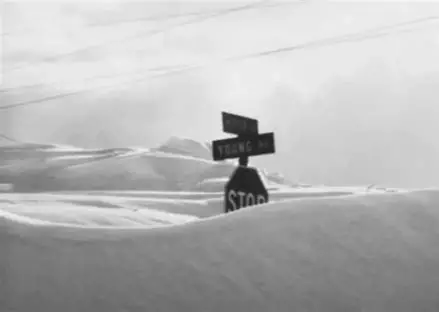
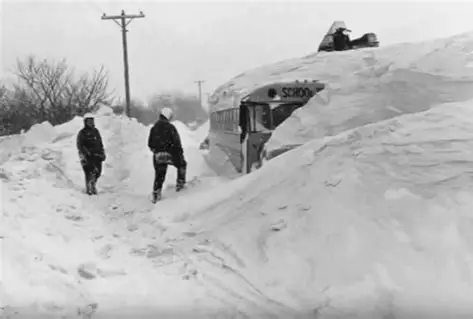
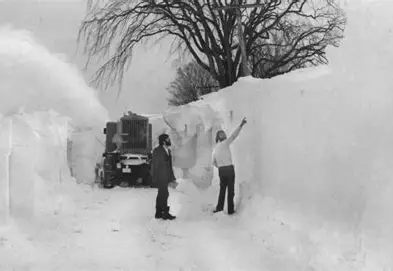
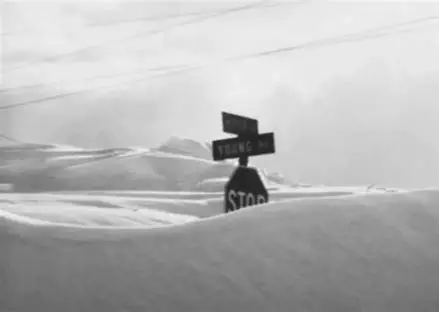
The mist turns into a menacing wall of white as it closes on the southern tier of New York, a blanket is thrown over the world. Visibility is nonexistent inside the white hurricane. The mass of snow from Lake Erie is dropped randomly all over Chautauqua, Cattaraugus, Erie, and Wyoming counties. By 1:00 pm snow begins to cover cars, first bumper high, then up to the windows. By evening drifts fifteen feet high are scattered throughout the region. The wind whips and shapes the snow without discrimination. Mounds of snow are picked up and randomly dropped, then moved again. A road that is bare one minute is impassable the next, shocking travelers with the arbitrary intensity.

Friday evening, winds gust to almost seventy miles per hour. Wind chills drop to sixty degrees below zero.By midnight, Buffalo, New York is crippled, an estimated two thousand cars are stranded on Main Street and about eight thousand on streets throughout the city. The south towns are frozen solid, covered in drifts.

Saturday, January 29th. Visibility improves in the morning, and municipalities send their plows and emergency crews out to clean up and assess damage. Abandoned cars are a major impediment to the effort. In Buffalo, trucks and payloaders dump snow into the Niagara River. In the south towns of Chautauqua and Cattaraugus counties area roads have become wintry tunnels, and parking lots are filled with banks of snow removed from roads.

Sunday, January 30th.  The wind and snow subside, and the sun comes out briefly. Towns come alive. Major roads are cleared.

With the weather softening and single lanes on major roads clearing, people head out into the world, to run errands, to witness the marvels of the blizzard.

     But the wind isn’t done with New York. At 3:00 pm, the wind increases and blowing snow once again turns visibility to nil. Driving becomes treacherous. Vehicles are stranded anew and abandoned cars block roads that had just been freed. A peak gust of 58 mph is recorded at the Buffalo airport. That night the wind chill falls to minus forty degrees.

Monday, January 31st. Most roads are closed by overnight snow. Fire departments spend time checking houses snow-covered to their roofs to make sure nobody is freezing or suffocating.

The blizzard has blown itself out. The effects of its carnage are just being realized.

Chautuaqua Lake Sailing Challenges

Printed in The Villager May 2024

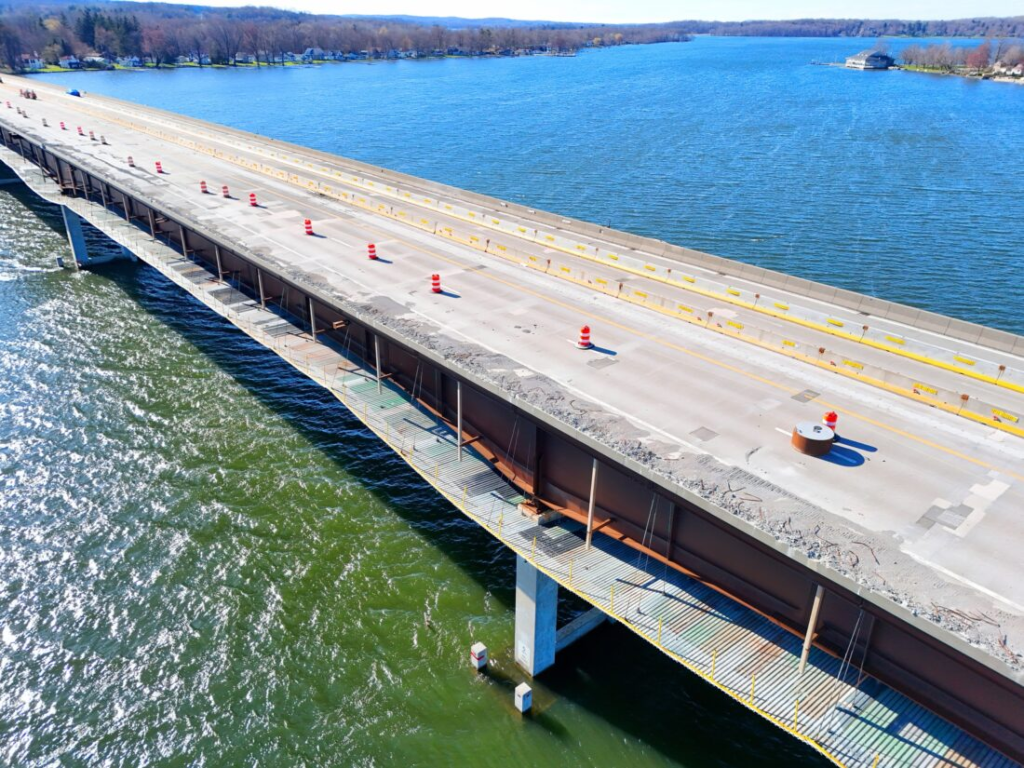
Were you passing on I-86 across the Chautauqua Memorial bridge last Monday morning, you would have been challenged to keep your vehicle between the narrow cement barriers that funnel traffic from the work being done on the overpass. In the water, the scene looked like the run-up to a catastrophe.

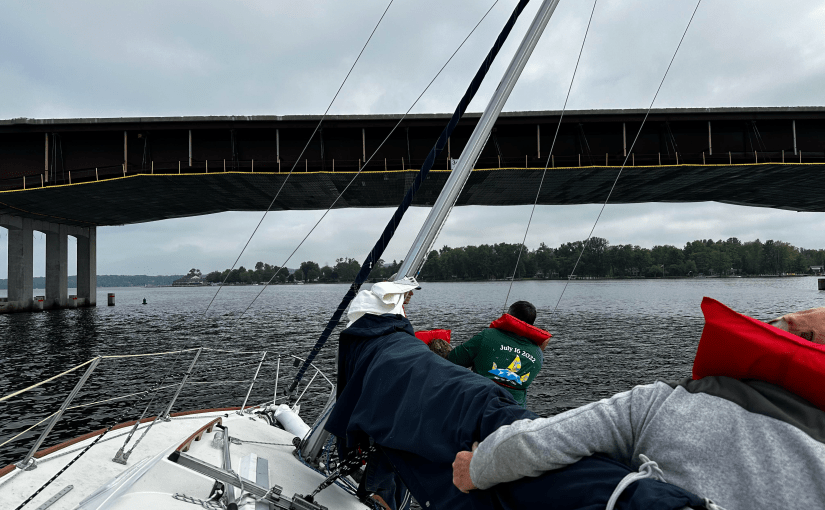
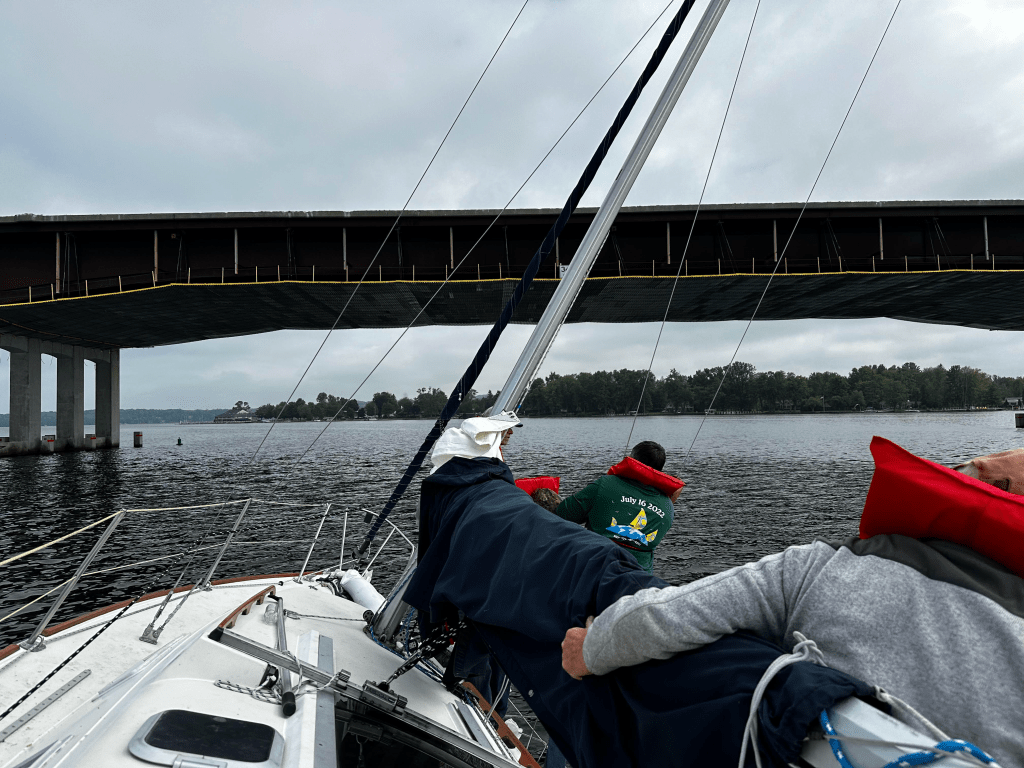
A large sailboat, named Trumpeter, sails stowed, steamed toward the center underpass, the highest point of passage under the bridge. The boat listed precariously to the starboard. If you weren’t familiar with the design of sailboats, their ability to heel at severe angles balancing tall masts with underwater keel and rudder, you’d be forgiven for believing you were about to witness the capsizing of the vessel.

But Trumpeter was under complete control by her captain, Greg Swan, principal owner of Ready About Sailing, the marina and boat sale business based in Celoron. She was tipped on her side intentionally, using 1,100 pounds of sandbags and four hearty shipmates to pass under the bridge whose clearance has now been reduced to 34’8” from its original 40’2”.

“Most of the twenty or so larger sailboats on Lake Chautauqua are stored at Ready About Sailing marina in Celoron during the winter,” Greg says. “In the Spring, we launch the boats, raise the masts, and then the boats are transported to the north basin where they are moored or docked for the summer. These sailors have always enjoyed free passage beneath the bridge.”

Deadheading sailboats from one basin of the lake to the other used to be a relatively easy process. Not anymore.

“The bottom line here is that the engineers that designed the bridge reconstruction project apparently failed to do their due diligence when deciding how the safety netting would be erected under the bridge to catch anything that might otherwise fall into the lake. They apparently did not consider sailboats during the design phase.”

The safety netting has lowered the clearance under the bridge by nearly 5 ½ feet. A sailboat that once had six feet of room under the bridge at flood level, now has less than one. And it will take some brilliant and daring seamanship to get from one side to the other until that clearance is lifted, which, according to New York State, won’t happen until the bridge is completed, a two-to-three-year period if every single thing goes according to plan.

Greg says,” What we are left with is an obstruction to sailing the full length of the lake for the duration of the bridge project.”

In order to transport his larger sailboat, Greg had to be creative and rely on his considerable boating skills to get Trumpeter to the north basin mooring. This was with the lake about two feet below flood level. A higher lake level or more wave and wind action would make the maneuver nearly impossible. “You’ve essentially taken half the lake away for use from these size boats,” Greg says.

     There are twenty or so such sailing vessels he knows of that use the lake (well, now, half the lake). “The obstruction at the bridge has already caused multiple long-time Lake Chautauqua sailors to decide to sell their boats and give up the sport. This is tragic, especially since it could have been prevented if the right questions were asked to the right people before starting construction.”

The netting was a multi-million-dollar part of the overall bridge project, a necessary safety design to keep boaters safe from inevitable falling debris. Greg contacted the Department of Transportation in Buffalo to look for a solution. They were receptive, empathetic, but no help. “As the netting system was designed, there would be no way to remove the netting from even a single span to allow for sailboats to pass. And, the DOT has decided that it would be too expensive to retrofit.”

The NYS DOT was contacted for clarification. Here is the response from Susan Surdej, Assistant to Regional Director and Regional Public Information Officer for New York State Department of Transportation, Region 5:

The bridges carrying Interstate 86 over Chautauqua Lake are 100 percent safe for motorists.  Out of an abundance of caution, the Department is re-evaluating plans for the safest, most efficient removal of concrete from the bridges carrying Interstate 86 over Chautauqua Lake. Occasional overnight closures are expected with a project of this size, but there are currently no plans for long-term closures. NYSDOT will keep the public apprised on any changes in the construction schedule once the evaluation is complete. 

There was no response addressing the sailboat issue.