CHAUTAUQUA BRIDGE

In October of 1982, 726 athletes lined up in Bemus Point with the goal of crossing the lake and back. The lake was much too cold for a swim. The Bemus Pint Ferry was not an option for a Fall 10K race. Fortunately, these runners had a fresh path, brand spanking new pavement, the Chautauqua County Veterans Memorial Bridge.
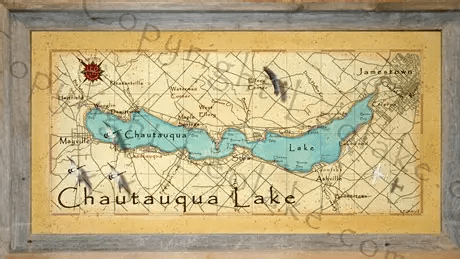
There was a time when getting from the southern part of Chautauqua Lake to the upper lake was a logistical chore, Mayville to Jamestown was a journey, more than a grocery run. Routes 394 and 430 wrapped the lake, picturesque to be sure, but cumbersome for anyone in a hurry. This was prior to 1982. A drive from Jamestown to Long Point State Park was a common trip, fifteen miles or so up the north side of the lake.

If you then wanted to tour the southwestern coast, Stowe, Chautauqua Institution, or points south, you had one of three options:

  1. Circumnavigate the lake, back through Jamestown, or north around Mayville.
  2. Drive into Bemus, hope to catch the ferry.
    1. The ferry had to be running that day.
    1. The ferry had to be on your side, ready to go to the other side.
    1. You had to be the one of the first ten or so cars in line.

For an intrastate trip through New York, from the west to east you used the I-90 corridor along Lake Erie, all southern cities, Jamestown, Olean, Corning, and east, were accessible by backroads only. What is now Route I86 as a developed interstate highway wasn’t a priority because of that pesky lake blocking any straight run west to east.

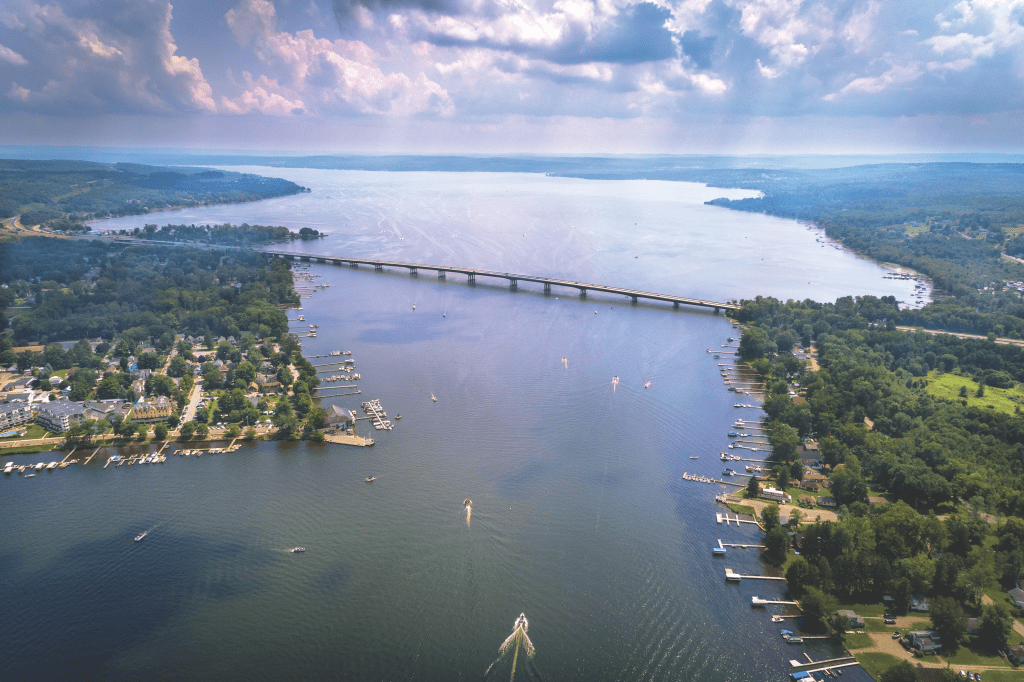
That changed in 1982 with the building of the Chautauqua County Veterans Memorial Bridge.

That Fall 10K race in Bemus, launching the opening of the first non-stop vehicle option for getting from one side of the lake to the other, was forty-two years ago, a long time for a bridge. Now it’s in need of a facelift. Or in lieu of a cosmetic revival, some body work.

Enter New York State Department of Transportation and their checkbook.

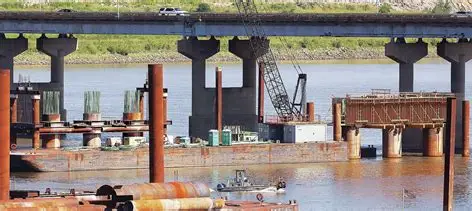
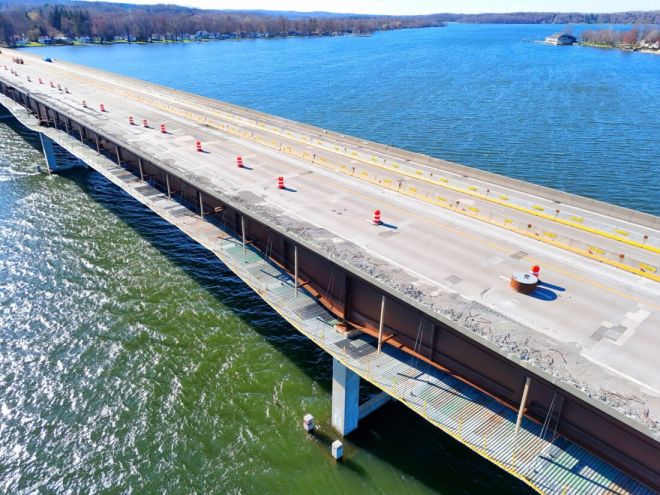
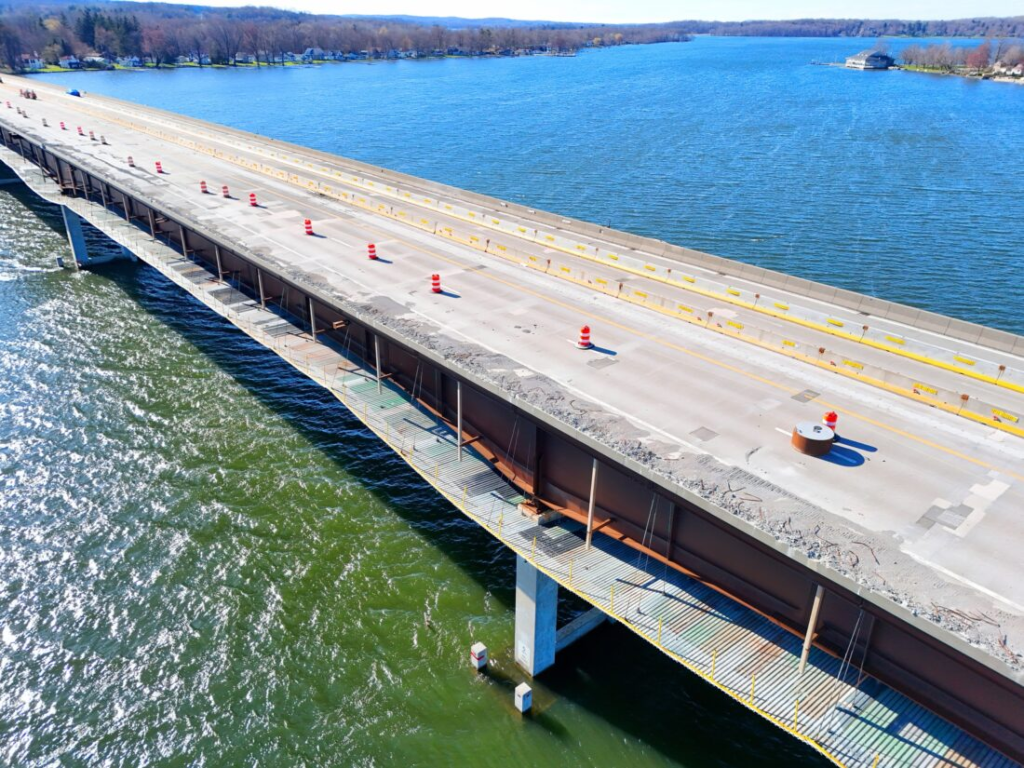
The state has earmarked $78 million for renovations and structural work on the Chautauqua County Veteran’s Bridge. Another $4.7 million for the local success routes to the bridge off routes 430 and 394. Work began on the main part of the 3,790-foot main span last summer (2023). It’s expected to be completed fall of 2026.

New York State DOT Commissioner Marie Therese-Dominguez was in Chautauqua recently to oversee the start of the project. “It’s going to enhance safety, it’s going to ease travel and it going to extend the service life of these bridges by another 40 years,” she said.

The work being done probably won’t show itself to the casual observer -new bridge joints, fresh decks, bearings, and repaired steel. The roadway will be resurfaced. On and off ramps will have new barriers.

The noticeable part will be the closures and re-routing of traffic to get the job completed. The plan is to work one set of lanes at a time, and only close the entire bridge for short periods during nighttime. Local officials are of course asking people to be patient with the process and disruptions in traffic.

Commissioner Therese-Dominguez says, “It’s going to take a lot of patience but in the end, I think it’s going to be well worth it.”

Governor Hochul released a statement saying, “To ensure that our communities and our economy in all regions of the state continue to grow and prosper, New York state is making investments to strengthen and harden our infrastructure to meet and exceed the challenges of the 21st Century.”

State Sen. George Borrello, R-Irving, thanked Hochul for recognizing the importance of the bridge and the need to bolster the structure. “She is no stranger to Chautauqua County, no stranger to Chautauqua Lake and she knows the importance of it,” he said. “I want to truly thank her for investing in infrastructure around Chautauqua County, particular, this major, major investment in this bridge over Chautauqua Lake.”

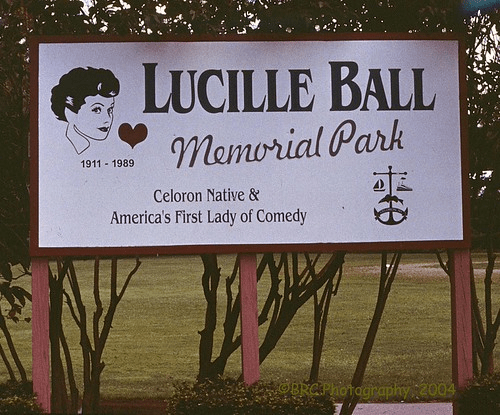
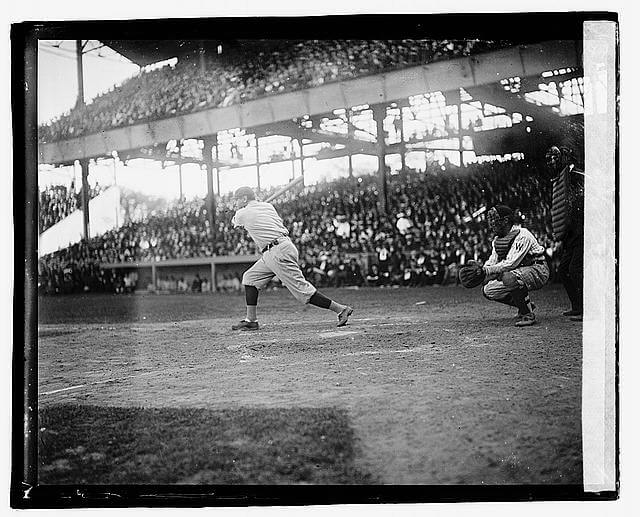
Home of Lucy Hosts The Babe!

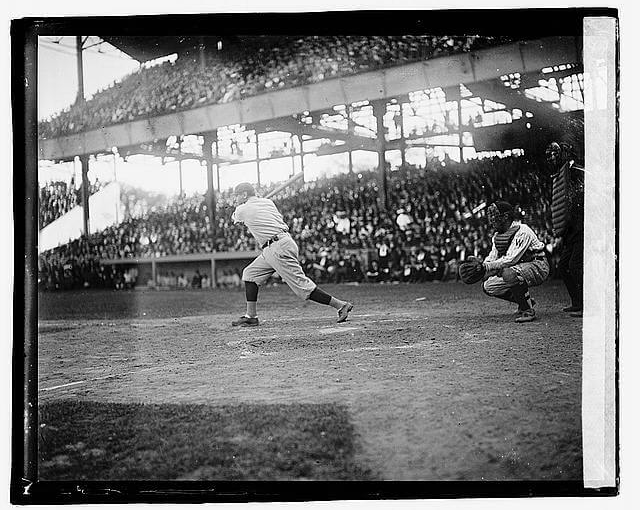
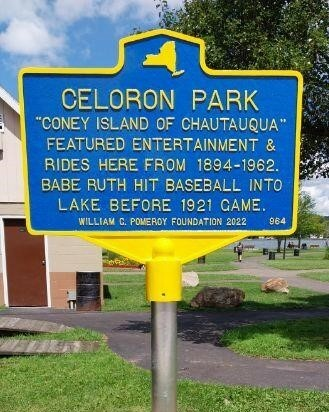
The little league baseball field at Celoron Park sits by the Chadakoin River that drains Chautauqua Lake on its southern end. Hit a baseball far enough into right field there and it could theoretically, eventually, spit out in the Gulf of Mexico some eleven-hundred miles downstream. The field is built for little league players, shortened base paths and pitcher’s mound. It’s also, as legend has it, where Babe Ruth once stood and hit a baseball into the Chadakoin River, some five hundred feet from home plate.

Except that isn’t exactly the place. The Babe belted the celebrated ball, but not quite where kids hit baseballs today. And he only did it in batting practice, not in an actual game.

Jump in your car, drive to the village of Celoron. Take the low roads, close to the water. From the west, you’ll trace the southern basin of Chautauqua Lake along Lakeside Drive, rounding onto Jackson Avenue. Keep your eyes and imagination open, lay all this land bare, take out the lakefront houses on Longview Road, take out Ellicott Shore Apartments. Take out the streets, take out the trees. Turn those acres into a vast island of green grass. Now put up a grandstand and a backstop, place bases ninety feet apart in a square, a mound sixty-feet, six-inches from the plate. Here you have Celoron baseball park circa 1921, when The Babe came to town.

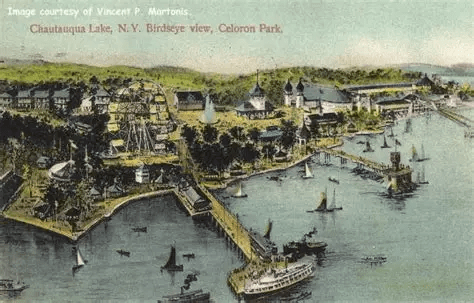
When travel was more cumbersome than it is today, Western New York emerged as a convenient stop between Cleveland, Erie, and Buffalo. Celoron Park opened in 1895 and featured, at various times four major hotels and fifteen rooming houses, a bathhouse three stories tall with three toboggan slides, a barber shop, a hundred and fifty dressing rooms, a bowling alley, billiards rooms, shooting gallery, ice-cream parlor, an auditorium with Turkish spires five stories high that seated almost nine thousand. In the winter the floors were flooded for ice skating. A Theaterextended over the water and hosted dances, stage performances and vaudeville acts. The Phoenix Wheel, the world’s largest Ferris wheel, was ten stories tall with twelve cages, able to hold 168 thrilled passengers. The wooden Greyhound Roller Coaster hadthree loops and six-thousand lights.

George Maltby is the Celoron Park supervisor in 1921. He’s small, maybe 5’5”, wispy and fidgety, in charge of programming. He’s known locally for his bright attire, belted high-waisted jacket with wide lapels, narrow trousers, bright white suspenders, herringbone fedora, and deep red sideburns and mustache. He is the man most responsible for the headline in the Jamestown Morning Post October 18th; Babe Ruth To Play Here, and below that, Home Run King, Bob Meusel And Piercy In Exhibition Game At Celoron Tuesday. It is a big undertaking to bring an attraction of this size and importance to Celoron, but Mr. Maltby, after posting a big guarantee decided to take a chance. Celoron Park will be filled to capacity, packed with men in double-breasted vests and single-breasted jackets, boys in knickers and flat hats, women in flapper dresses, drape hats, and bobbed hair. Horses, carriages and Model T’s clog the street. The ten-story Ferris wheel towers over the exhibition, patrons with vintage folding Kodak cameras ride to the top and record the spectacle, 1920’s version of a drone fly-by. The bustle is electric, dampened only by a light rain, muffling voices and footprints. Steamboats unload more Roaring 20’s characters at a huge public dock.

The game is anti-climactic compared to the spectacle and the memories. The big man does indeed hit a ball into the lake, but it’s during batting practice. A young boy retrieves the ball, keeping it from the thousand-mile journey to salt water.

Celoron today is a moderate lake-side city, roads lightly traveled, simple commerce and functional government buildings replace the epic bounty of Celoron Park. But the lake and the Chadakoin are the same as that day in 1921, with newer water; the steadfast shores, the current flow and shape of the outlet are fixed.

And if you listen close, the waters whisper of great days past, confident in its pedigree. If it could talk it might tell a story about the days when Celoron Park ruled the world of entertainment, and that day in October almost a century ago, when the Sultan of Swat stormed its shores.

Chautuaqua Lake Sailing Challenges

Printed in The Villager May 2024

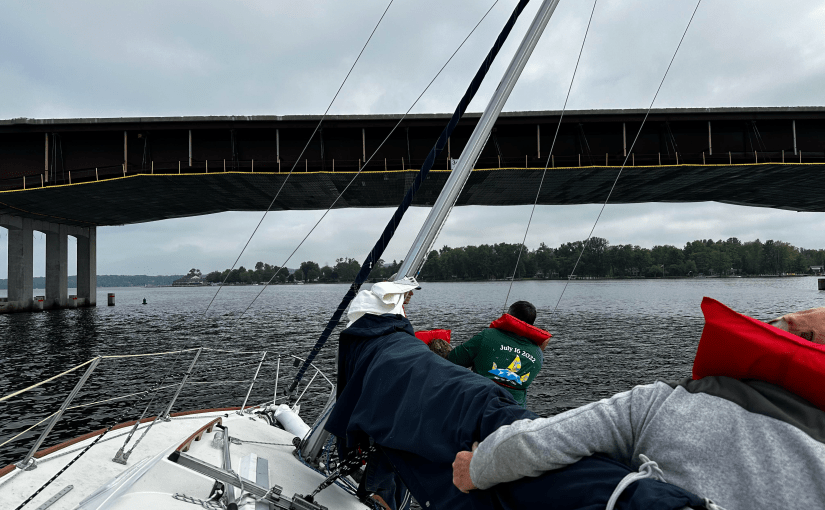
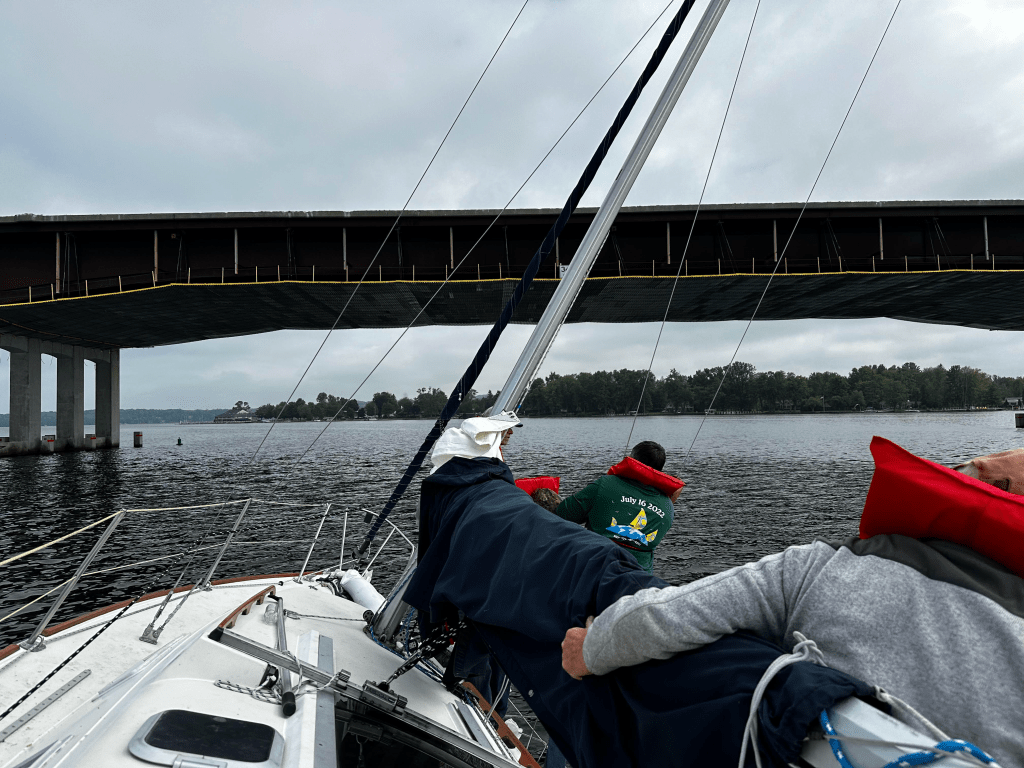
Were you passing on I-86 across the Chautauqua Memorial bridge last Monday morning, you would have been challenged to keep your vehicle between the narrow cement barriers that funnel traffic from the work being done on the overpass. In the water, the scene looked like the run-up to a catastrophe.

A large sailboat, named Trumpeter, sails stowed, steamed toward the center underpass, the highest point of passage under the bridge. The boat listed precariously to the starboard. If you weren’t familiar with the design of sailboats, their ability to heel at severe angles balancing tall masts with underwater keel and rudder, you’d be forgiven for believing you were about to witness the capsizing of the vessel.

But Trumpeter was under complete control by her captain, Greg Swan, principal owner of Ready About Sailing, the marina and boat sale business based in Celoron. She was tipped on her side intentionally, using 1,100 pounds of sandbags and four hearty shipmates to pass under the bridge whose clearance has now been reduced to 34’8” from its original 40’2”.

“Most of the twenty or so larger sailboats on Lake Chautauqua are stored at Ready About Sailing marina in Celoron during the winter,” Greg says. “In the Spring, we launch the boats, raise the masts, and then the boats are transported to the north basin where they are moored or docked for the summer. These sailors have always enjoyed free passage beneath the bridge.”

Deadheading sailboats from one basin of the lake to the other used to be a relatively easy process. Not anymore.

“The bottom line here is that the engineers that designed the bridge reconstruction project apparently failed to do their due diligence when deciding how the safety netting would be erected under the bridge to catch anything that might otherwise fall into the lake. They apparently did not consider sailboats during the design phase.”

The safety netting has lowered the clearance under the bridge by nearly 5 ½ feet. A sailboat that once had six feet of room under the bridge at flood level, now has less than one. And it will take some brilliant and daring seamanship to get from one side to the other until that clearance is lifted, which, according to New York State, won’t happen until the bridge is completed, a two-to-three-year period if every single thing goes according to plan.

Greg says,” What we are left with is an obstruction to sailing the full length of the lake for the duration of the bridge project.”

In order to transport his larger sailboat, Greg had to be creative and rely on his considerable boating skills to get Trumpeter to the north basin mooring. This was with the lake about two feet below flood level. A higher lake level or more wave and wind action would make the maneuver nearly impossible. “You’ve essentially taken half the lake away for use from these size boats,” Greg says.

     There are twenty or so such sailing vessels he knows of that use the lake (well, now, half the lake). “The obstruction at the bridge has already caused multiple long-time Lake Chautauqua sailors to decide to sell their boats and give up the sport. This is tragic, especially since it could have been prevented if the right questions were asked to the right people before starting construction.”

The netting was a multi-million-dollar part of the overall bridge project, a necessary safety design to keep boaters safe from inevitable falling debris. Greg contacted the Department of Transportation in Buffalo to look for a solution. They were receptive, empathetic, but no help. “As the netting system was designed, there would be no way to remove the netting from even a single span to allow for sailboats to pass. And, the DOT has decided that it would be too expensive to retrofit.”

The NYS DOT was contacted for clarification. Here is the response from Susan Surdej, Assistant to Regional Director and Regional Public Information Officer for New York State Department of Transportation, Region 5:

The bridges carrying Interstate 86 over Chautauqua Lake are 100 percent safe for motorists.  Out of an abundance of caution, the Department is re-evaluating plans for the safest, most efficient removal of concrete from the bridges carrying Interstate 86 over Chautauqua Lake. Occasional overnight closures are expected with a project of this size, but there are currently no plans for long-term closures. NYSDOT will keep the public apprised on any changes in the construction schedule once the evaluation is complete. 

There was no response addressing the sailboat issue.

THE POINT CHAUTATQUA GOLF SITE PROJECT

“I tell ya, country clubs and cemeteries are the biggest waste of prime real estate.”

Al Czervic

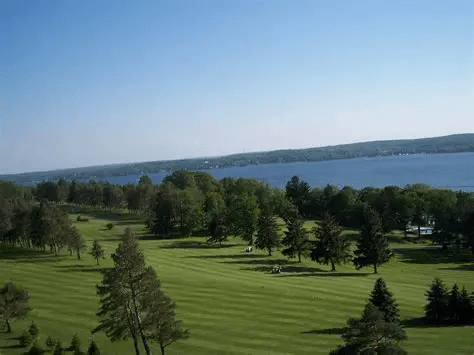
It was inevitable, like the waves that lap against the back of seventh green. The land is just too beautiful, just too perfect, just too valuable.

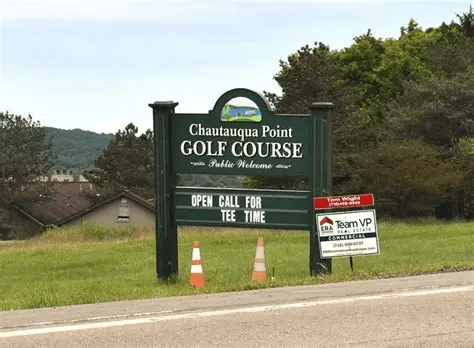
The Chautauqua Point Golf Course, at 5678 East Lake Road in Dewittville sold recently, the second time in just over two years. In February of 2022 The Chautauqua Lake Development LLC of Springville purchased the property for just over a million dollars. They re-listed the property and this past July 2023, The 1200 Group of Buffalo bought the three parcels that made up the golf course for $2.2 million (along with other East Lake Road real estate belonging to the James K. Webb Living Trust, and Webb’s Harbor Restaurant and Bowling Lanes, Inc.).

The 1200 Group is led by Bill Paladino, son of Carl Paladino the ubiquitous Buffalo developer and politician.

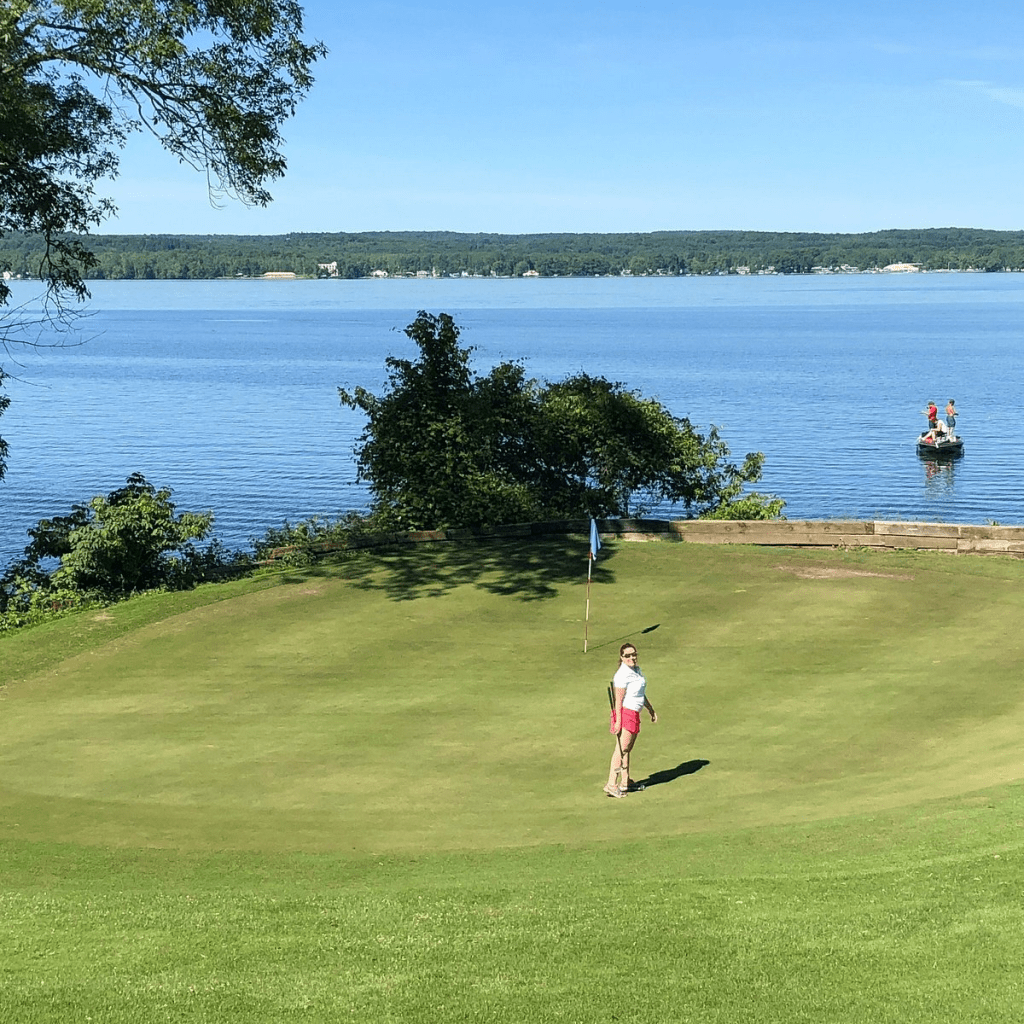
The first sale brought to an end a century-long run for the local recreational treasure. With origins dating to 1907, or 1914, depending on which source you reference, the course was the oldest in the county, predating it’s younger, more famous and broader brother from across the lake, The Chautauqua Golf Club by at least ten years. The history of the golf course is a little muddy, but it’s generally agreed that the land was obtained by Henry Clay Fownes, designer of Oakmont Country Club in Pittsburgh, ostensibly to cater to Pittsburgh and Cleveland golfers looking to work on their game while summering on the lake. Oakmont, established in 1903, is regarded as the oldest top-ranked golf course in the United States, and has hosted 20 national golf championships; the U.S, Open is scheduled there in 2025; Chautauqua Point, overlooking the northern basin of the lake had some impressive pedigree. There is a rumor that the famed golf architect Donald Ross had a hand in designing the course, but there’s no indication from The Ross Society that this was the case (he did help design The Chautauqua Golf Club, so it’s possible he took a swing by the point to take a look). The course evolved over the years  into a 9-hole gem, the only golf course that touches the lake, though condominium development over the years squeezed that lakefront border down to a few precious feet directly behind the seventh green.

The weather-dependence and uncertainty of making a golf course profitable, especially in this climate, finally gave way to the economics of developing prime real estate into a more profitable venture; East Lake Road on the lake side land is simply too valuable to leave unused under snow for five months a year. The course has been closed since the sale in 2022, the repurposing of the land unavoidable.

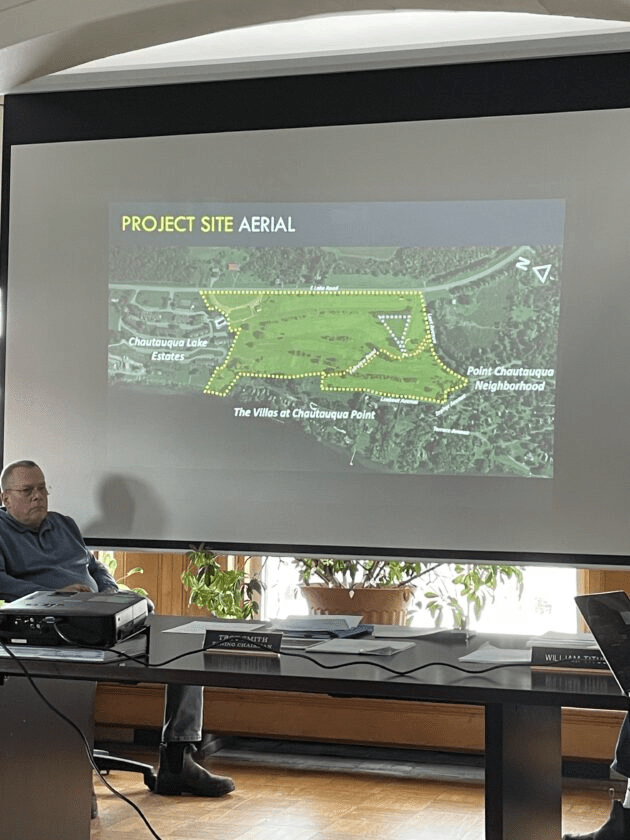
Tom Fox is the Director of Development for the Ellicott Development Company. He is heading up the group looking to turn the old Point Chautauqua Golf Course into a housing community. The project, tentatively called Sunset View at Point Chautauqua, has three distinct sections including single family homes, town houses, and condominium-style residential units.

Ellicott Development Company is out of Buffalo and stands as a prominent figure in Buffalo’s real estate sector. Founded in 1975 by William Paladino, this company has played a pivotal role in transforming Buffalo’s urban landscape through a strategic blend of development, redevelopment, and management. With a focus on enhancing both commercial and residential properties, Ellicott Development has significantly influenced the city’s economic and architectural evolution.

     Ellicott Development Company’s origins are deeply intertwined with the historical development of Buffalo, New York. Established during a period when Buffalo was grappling with economic challenges and urban decay, the company emerged as a beacon of revitalization. The founder, William Paladino, envisioned a future where Buffalo’s historic structures could be repurposed to meet contemporary needs while preserving their architectural integrity. This vision has guided the company’s projects and strategy over the decades.

Mr. Fox recently hosted a meeting for the community. I followed up with Mr. Fox recently on his reaction to that meeting, and how the project will develop in the future.

Q: Your initial meeting with the community got mixed reviews. Some of the locals seemed against the development. Is that how you saw it?

Tom Fox (TF): We were happy to see a big turnout at the recent informational meeting we held on Sunset View.  In our experience, active community interest and input results in a better project.  There were many valid concerns that were raised, many of which will be reflected in revised and more developed plans as we further pursue the required approvals to move the project forward.  Despite a general sense of negativity in the feedback at the meeting, we’ve heard a great deal of positive response as well since that time from those in support and with great interest in the success of our project.  Our vision is to redevelop the property in a way that thoughtfully weaves into the existing community surrounding the former golf course property.

Q: That property served well as a golf course. How do you see it as a housing development?

TF: With its dynamic topography, the property has the benefit of incredible lake views including an orientation to the sunset, hence the development naming.  Sunset View will offer a range of high-quality housing options in an amenity-rich resort-style environment that will be home to year-round residents and weekend vacationers alike.

Q: What are your next steps?

TF: Pending receipt of the necessary approvals, which we will continue to pursue following the mentioned plan revisions, we hope to start work on the initial phase of Sunset View next year.  Completion of all project phases will be guided by market demand.  We anticipate that the completion of all project phases could take several years.

Q: How do people find out more?

TF: Here is our project website, where we have project information posted along a video presentation and an opportunity for those interested to reach out with comments and questions…. Sunset View CLC – A Chautauqua Lake Community

To be sure, though there will continue to be a constituency that will miss the rolling fairways, pristine green space, and quaint clubhouse that was the legendary Chautauqua Point Golf Course.

MISSED OPPORTUNITY

Seventy-five is a whole lot of years.

So was fifty.

In the year 2000 I was the director of athletics at Jamestown Community College. I replaced Greg Fish who ran the department for like a hundred years before me.

Big shoes to fill (figuratively, trust me).

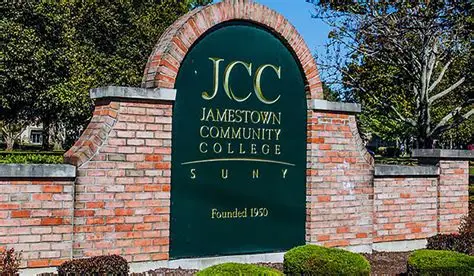
With the help of a lot of college personnel (including assistant AD Kathy Stedman), Jim Riggs of the Post Journal, and some long-timers in the JCC admin building, we created the first ever Hall of Fame for Jayhawk Athletics. We did it on the 50th Anniuversary of the college, established in 1950.  It’s one of the achievements at the college, as a Jayhawk, that I’m most proud of. The event we put together was comprehensive, a day that featured a barbeque, events for the fifty top athletes and their families, fans and guests, a picnic, a beer tent, and commemorative items. JCC maintenance set uip the event in the 100 Acre Lot just off main campus, they built a stage for the top 50 Jayhawks athletes of all time.

 To help keep bias from the selection, the athletes were nominated by the public. A list was compiled and voted on by a committee. Jim Riggs from the Post Journal was critical to the process, helping with research, publicizing the nomination methodology, and compiling votes. It was a long and well-conceived series of decisions that led to the Hall of Fame, we did not take the responsibility lightly.

In the inaugural year, 2000, one by one I announced these highly accomplished JUCO athletes, reading off their achievements in a Let’s Get Ready to Rumble presentation. One by one those that attended the ceremony mounted the stage and took a seat. It was exciting, it was fun, it was my honor to acknowledge and celebrate them.

I’m sure we missed a few deserving ‘Hawks, and we mis-ranked others. But this movement was meant to be a start, leaving a future path to add athletes to the list. It was supposed to be the beginning of a tradition, a way to gather the athletes from the college and celebrate their achievements, the way most colleges do around the country.   

The next year, we added Jim Riggs and George Bataitis to the Hall of Fame. We hosted a small ceremony, a fund-raising 5K footrace around campus, and a small gathering after. Another good day, another good celebration of Jayhawks. We showcased all 52 names on a board in the facility under the title, Best Jayhawks of all Time.

Then the concept of a Hall of Fame died. The momentum from the previous years vanished in indifference, by the college administration that was needed to support the effort, by the department of athletics that was discouraged with that lack of support. When I retired from the athletics department, and moved to full time Director of Facilities, the Hall of Fame was a memory.

It was a shame.

This year, with another quarter century gone, the JCC Athletics Department resurrected the idea of a Hall of Fame event, to celebrate the 75th anniversary of athletics at the college.

I was not invited to the event. Neither was Greg Fish, or Kathy Stedman or anyone from that original event (Mr. Riggs and Mr. Bataitis have both passed). My national championship golf team in 2000 was not recognized (25th anniversary). No Regional Champions were asked to attend. No coaches from the past, no teams that won championships and set records, no All-Americans, no academic All Americans.

How soon they forget, no? How soon the people who stand on the shoulders of giants believe they are giants themselves. It was a wasted opportunity, by a dismissive, slapdash operation.

It was shame.

NOT THAT KIND OF CASINO; BEMUS POINT, NY

Crank up your search engines.

Now Google Count Basie, Lena Horne, Tommy Dorsey Orchestra, Buddy Rich, Old Blue Eyes (Frank Sinatra), Sammy Kaye, Ozzy Nelson (of Ozzie and Harriet fame), Duke Ellington, Benny Goodman.

You’ve just surveyed the most famous entertainers from the 1930’ and 40’s, world renown performers of music and theater, classical big bands, jazz musicians, stand-up comedians, multi-talented entertainers. People who could book and fill any arena in the country from coast to coast, Carnegie and Radio City Music Halls, The Cotton Club, The Biltmore.

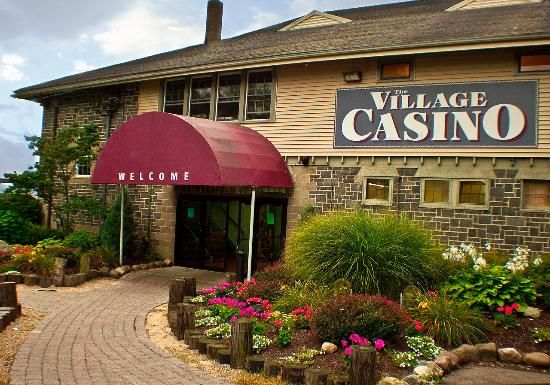
One of the prize bookings of these famous artists was The Village Casino, right here in Bemus Point, New York. Every person from the above list, among others, performed in that building.

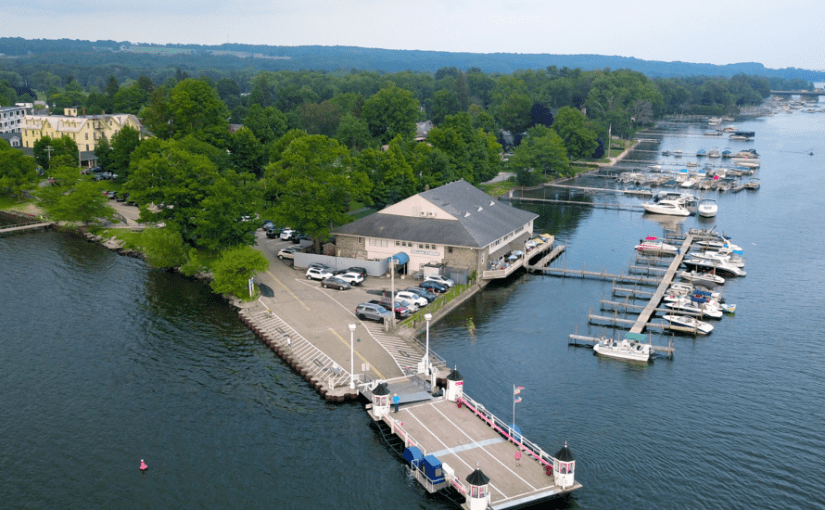
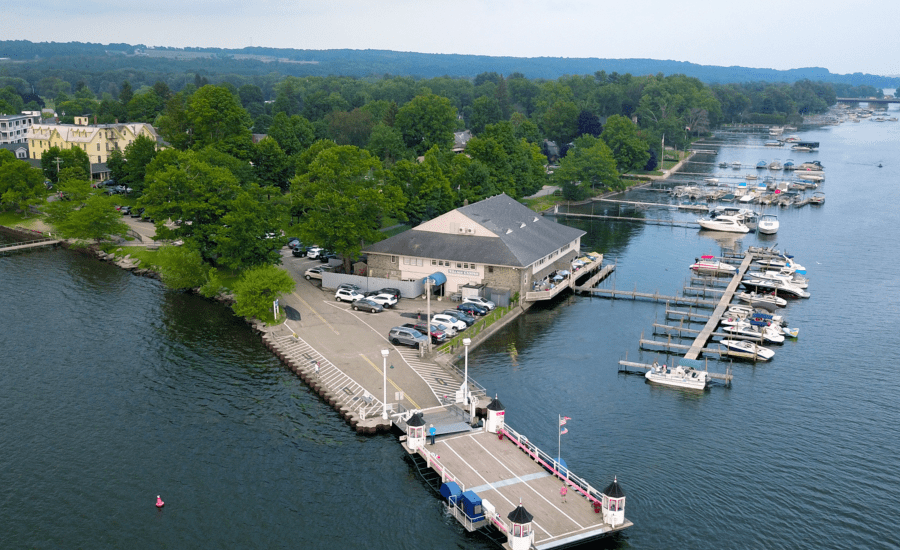
It’s a behemoth, “The Casino”, sitting lakeside like a fortress, guarding the middle of Chautauqua Lake on the Bemus side, the natural half-way point for vehicle and boat travel between Mayville and Jamestown, New York, on a prime spit of land. As you enter the narrows from the water, its unmistakable profile welcomes you to the recreation focal point of the lake. It was built in 1930, purportedly on old local Indian tribal meeting grounds, next to the Bemus Village Park. Pittsburgh industrialist James Selden had the recreation center constructed for the Village of Bemus Point, riding the momentum and popularity of the Celoron Park movement, huge hotels rimming the lake and steamboats transporting people up and down Chautauqua. Like the Celoron pavilion, he equipped it with a dining presence, a dance hall, and bowling alleys on the second floor. During the 1930’s and 40’s that building was one of the most “if these walls could talk” venues in all of New York State.

Through the years, The Village Casino has gone through several iterations, but always comes back to defining itself as a place for food, drinks and entertainment. In the fifties and sixties, it had a carnival park atmosphere as a beach house and bowling alley. In the 80’s, back to a bar and restaurant, accessible by lake traffic. Entertainment picked up again and the facility hosted popular bands like Rusted Root and The 10,000 Maniacs.

And then came the chicken wings.

In 1982, as the wing became popular in Western New York as a meal, rather than waste, the Casino jumped on that phenomenon. At least 14,819 chickens sacrificed the gift of flight so that 29,638 of their wings could be eaten in a twenty-four-hour period. It was a Guinness World record at the time and restored Bemus Point on the map of popular culture, if only that particular slice that enjoys a spicy chicken wing and eccentric world records.

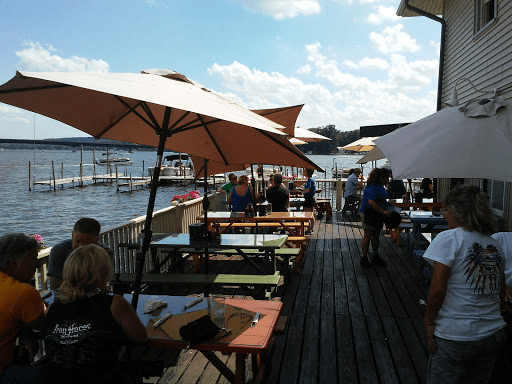
In 1999 the Carlson family took charge of the restaurant, bar and entertainment. They did a comprehensive remodel, added a game room, ice cream parlor, a deck for lake-side dining of about 120 guests, inside and bar seating for another 200. There are forty dock slips and wait-staff restaurant service right out to your boat. The banquet hall where the legends from the past performed is available for events and seats another 300.

Bemus Point has been the summer entertainment mecca on Chautauqua Lake for decades. It’s the product of its central location, especially with the Veterans Memorial Bridge as an east-west access conduit. The Village Casino has served as the anchor for Bemus, sitting hard on the shores with a rich history of service to patrons that stretches back as far as can be remembered.

It’s owned and operated by local entrepreneur Andrew Carlson, and still hosts live entertainment by local and regional acts every Friday and Saturday evening through Labor Day. As their web site states: We continue our commitment to be the area’s best and most affordable in casual waterfront dining, with an environment that allows you to relax, enjoy, make new friends, and reacquaint with old friends!

The Village Casino is located at 1 Lakeside Drive in Bemus Point. For more information call 386-2333 or visit www.bemuspointcasino.com.

Postscript: In 2018, when the sober esteem of 1982 Guinness record had worn off, the Carlson family served up another 42,210 chicken wings breaking their own record. It was not a good day for poultry in Chautauqua County.

IT’S THE TEETH!!

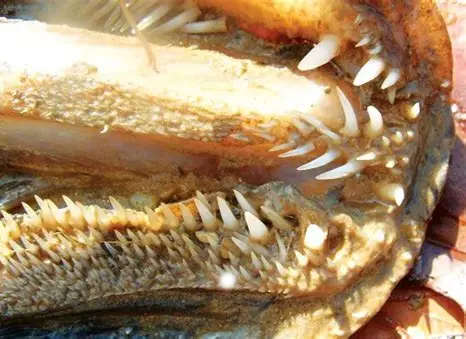
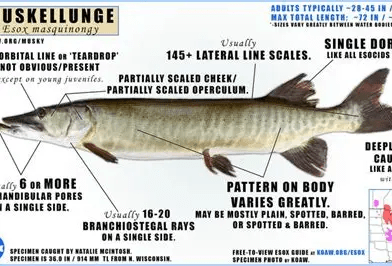
It’s the teeth. And that jutting jaw, the epitome of arrogance and brutish malice. Long muscular torso, thick in the middle, piercing, uncaring eyes. Bigger, stronger, faster than everyone else.

But the teeth. You notice immediately, five hundred at least, more in some of the larger beasts. The fangs are tightly positioned, small and needle-like, angled inward to keep prey from escape, razor sharp to shred live food that struggles.

     Then there’s the behavior, predatory, vicious, lurking, springing from the weeds, leaping to attack and eat the first thing that moves, carnivorous, cannibalistic, devouring its own kind if opportunity presents, even the metal of something man-made, it simply doesn’t care in its frenzy to feed. There’s no discretion, no apologies. It’s hungry, it eats, a notoriously fierce fish (anglers say it will attack the propeller of a trolling motor, while every other life form in the lake will swim from it.

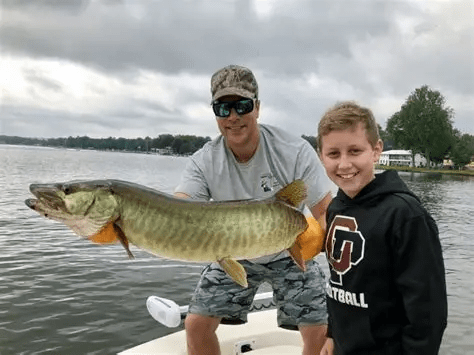
Todd Young has been chartering muskie expeditions on Chautauqua Lake for eighteen years, hosting bucket-list enthusiasts from all over the country looking to battle the largest member of the pike family; catching a muskellunge is that much of an adventure on Chautauqua Lake. It’s a daunting, wildly rewarding industry (the nickname of the muskie is “The Fish of 10,000 Casts”). Todd knows every square quad of Chautauqua Lake. He knows the water; he knows the fish.      

     “We go where the fish are, lower lake, upper basin. I’ve taken hundreds of people onto the lake to catch muskie.”

Dude knows his fish, especially the prize catch on Chautauqua Lake, the muskellunge.

Muskie are intentionally established on Chautauqua Lake (one subspecies is named The Chautauqua Muskellunge). Muskie management became a thing in the late 1800s, when the first hatcheries in the country were built along the shores near Bemus Point. The local hatchery effort, overseen by the state DEC, is now located at Prendergast Point. It’s a calculated process stocking the lake with an apex predator. In 2022, 13,000 fingerlings from six to nine inches long were released into the lake, understanding that about a third of those will survive a season; too many muskie eating the fish supply could seriously disrupt the lake ecosystem. That management, and the general stewardship from fishing charters like Todd’s Muddy Creek Fishing Guides has made the 13,000 acres of Chautauqua Lake a premier muskie fishing destination.

     “We are completely catch and release,” Todd says. “There are fish we catch that I recognize that I’ve caught before. We’re very careful about bringing them onto the boat. We only fight them for a few minutes, it can be a great battle they’re so big and strong, but if you exhaust them you might kill them.”

And muskie get big, it’s not uncommon to pull in one thirty-five pounds or more. The largest on record was sixty-nine pounds, fifteen ounces, average usually less than forty inches long and might weigh from seven to fifteen pounds. Muskie can live up to thirty years.

     “We use heavy equipment, put six lines in the water, and hope to average two catches a day.  There’s a small window for catching them when they are in a feeding cycle. Once they’ve eaten, sometimes up to twenty percent of their body weight, they sit still for up to five days digesting. But when they eat, they are very aggressive.

     During their feeding cycle, they’ll eat other fish up to a third of their own size. More than once I’ve seen one floating on the lake that tried to eat another fish that was just too big. They’re not particularly smart fish, when it’s time to eat they don’t much care what they go after.”

Todd thinks the lake has seen a bit of a resurgence, more fish are living longer, getting bigger. “We were seeing red spots on the fish the past few years, an unhealthy sign. We don’t see that on catches now. A four-footer can be twenty years old. That takes a lot of care from fishing to get one to be that old. But that’s the future of our lake, fishing for sport and letting them go.”

You could spend a worse day on Chautauqua Lake than in the care of Muddy Creek Fishing Guides. Check them out at https://mcfishnguides.com), or give Todd a call at 724 674-3839.

FROM PAIN COMES HOPE

“Initially it was only pain for me, and there’s still a hole that won’t go away. It took several years to accept that the hole wouldn’t go away. Eventually that loss also became a source of perspective and peace that I have drawn on as strengths in other challenging situations, both personally and professionally. She taught us to always stay positive….so…that’s what I try to do.”  

                                                                                    Todd Weatherby

Measuring time in a white blood cell count is as excruciating as it sounds, a lethal diagnostic benchmark. Those are heavy days, heavy hours, barely bearable waiting for the stock ticker to report in the day’s highs or lows. Registering your mortality like the temperature of your body, of your life.

Todd Weatherby is a local product, graduating from Southwestern High School. Two months ago, he joined Siemens AG, an $80 billion global technology company focused on industry, infrastructure, transport, and healthcare. He is CEO of their professional services division, Siemens Advanta. On his way to this position Todd held leadership roles in several technology companies you might recognize: Oracle, Microsoft, and Amazon. He was responsible for the launch of Amazon Web Services ProServe, that ubiquitous AWS brand you see everywhere on TV.

Sharon Kunkel (Weatherby) was his mother. She was an intensive care nurse at WCA Hospital in Jamestown and attended nursing school at Jamestown Community College. In 1984 Sharon died of acute leukemia.

     “Acute seems like an understatement,” Todd says. “From the time she complained of symptoms that she described as feeling like mono, or the flu, she was gone in just twelve days. Most of that time was spent at the hospital in Erie where they were guessing at the cause and the treatment. Easily the most traumatic experience of my life. Impacted me in ways that I’ll never fully understand.”

It was tragedy on a titanic scale for the people who knew and adored Sharon, and it’s impossible to say for certain if her death informed Todd’s success (though you don’t have to be a psychologist to suggest such a thing). But from her death, as from so many others whose memories deserve cherishing, came a glimpse of hope.

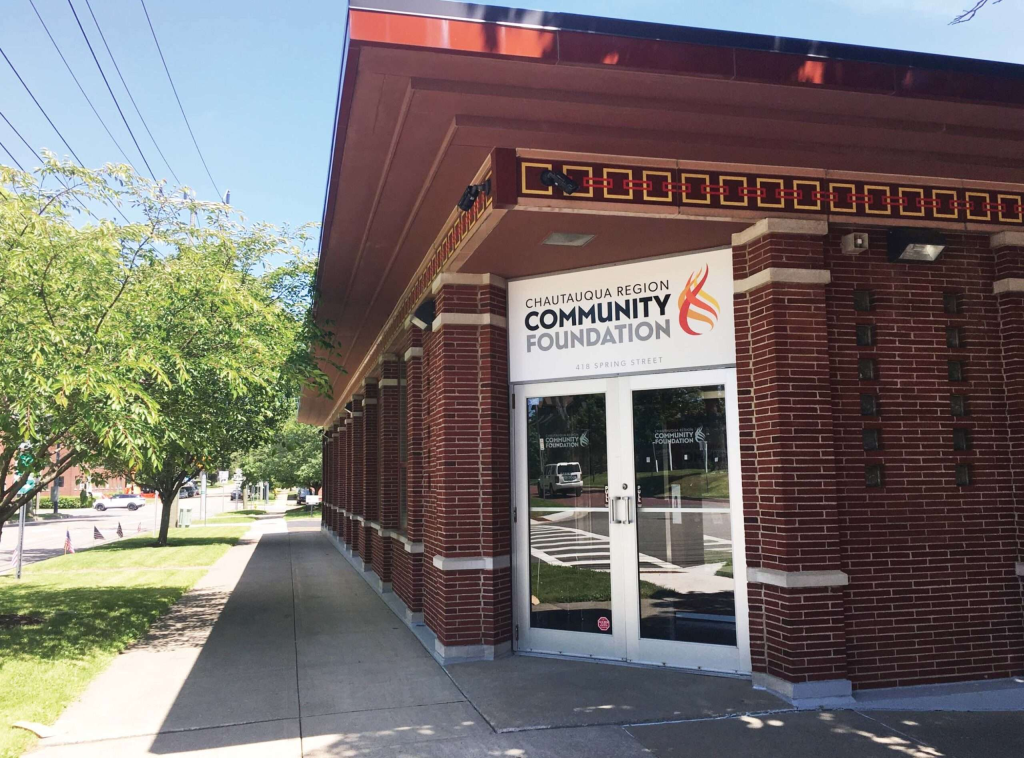
The Chautauqua Region Community Foundation (CRCF) is a major depository of philanthropic giving and scholarships in the county. It administers over seven-hundred endowments in support of emerging community needs, charitable organizations, and local students pursuing higher education. The organization has a community-wide, big-net mission to do more than process donations; they are also “deeply committed to creating a vibrant region where every resident feels connected and has the opportunity to thrive” (per their website).

In 1978, a group of Chautauqua County citizen commissioned a national expert on community foundations to explore the possibility of setting up an endowed fund to support the area. That originating group included some important names in the cadre of Chautauqua benefactors; Carl Cappa, Barbara Carlson, Betty Erickson, Francis Grow, Miles Lasser, Elizabeth Lenna, Marion Panzarella, Richard Parker, Samuel Price, Sr., John Sellstrom, and Kenneth Strickler. The expert inferred that the area was too small to support a significant endowment but was impressed enough with the level of charitable giving here that he endorsed the creation of a foundation in Chautauqua. The history of the CRCF reads, “The Chautauqua region was very fortunate to have a forward-thinking group of individuals who saw the need for a community foundation. These individuals gave their gifts of time, dedication and leadership, in seemingly endless amounts and are the very reason CRCF exists today.”

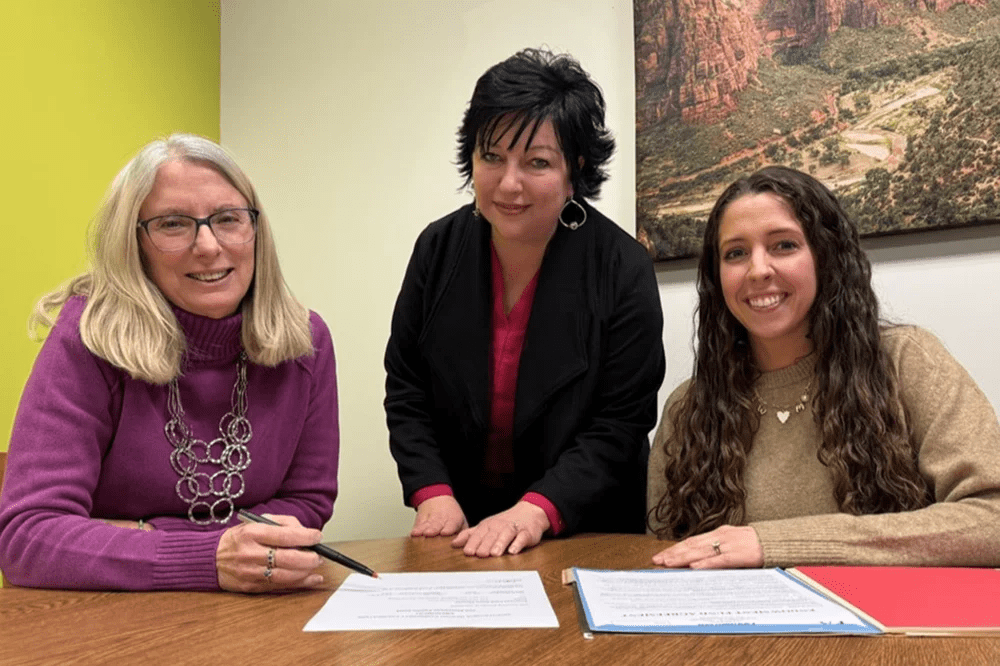
Nearly 40 years after her passing, the memory of Sharon Kunkel lives on in the spirit of her two sons Todd and Tim, their families, and in the Sharon Kunkel Nursing Scholarship. In those four decades, there have been 48 students awarded, twelve of which were awarded multiple times (62 total awards) totaling $32,379.

     Lisa Lynde, the Donor Services Officer at CRCF gives a recent history of the scholarship: “In 2022 we had eleven qualifiers, in 2023 we had nineteen. Last year our Healthcare Scholarship Selection committee, made up of a group of volunteers with healthcare backgrounds really liked the applicants, one stood out, and two others were great candidates, so they decided to give the biggest portion to the first choice, and then divide the balance between the remaining two.

Todd and his wife Lynda have two kids Kyle and Dana. Tim Weatherby and his wife Mary have two kids Lynn and Maxwell.  They continue to support nursing students in WNY via this CRCF scholarship in their mother’s memory.

Donations to grow the Sharon Kunkel Nursing Scholarship Fund can be made online at crcfonline.org/give or by mailing a check to Chautauqua Region Community Foundation, 418 Spring St., Jamestown, NY 14701.

For more information visit www.crcfonline.org or contact Lisa Lynde, Donor Services Officer at 716-661-3390 or llynde@crcfonline.org .

A Really Good (not Great) Lake

In the northern part of Chautauqua County, between the lake there and the Great Lake Erie, there’s a place where the earth curves. Actually, there’s many such hills, but this one’s special.

The Chautauqua Ridge is a demarcation of confluence. It plays a small part in splitting the continent in half, between north and south. It’s a rare geological marvel, and it’s right here, where we live. The old saw goes that if there was a building built in the middle of the ridge, that rain falling on the north side would end up in the Atlantic Ocean (Lake Erie to the Saint Lawrence Seaway), and a rain falling on the south side would eventually be deposited in the Gulf of Mexico (Chadakoin to Conewango Creek, Allegheny, Ohio and Mississippi Rivers, past New Orleans into the gulf).

Along that southern route is Lake Chautauqua.

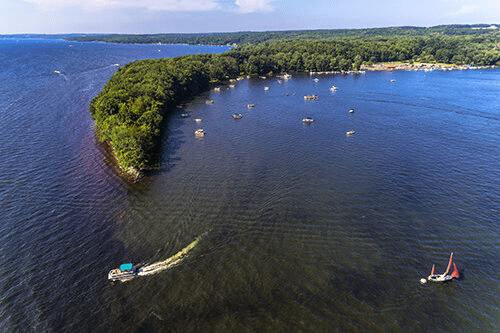
Chautauqua is fed by a dozen or so arterial creeks (Ball, Bemus, Big Inlet, Dewittville, Dutch Hollow, Goose, Lighthouse, Little Inlet, Maple Springs, Mud and Prendergast). At its widest Chautauqua is about two miles. It has a northern and southern basin that squeeze together roughly in the middle. The narrows at Stow and Bemus Point is where the lake is most bridgeable, crossed now New York Interstate 86, and by the Bemus Point ferry on the water. The lake is 17-miles long, a straight-line run from Mayville to Celoron. About forty-one miles is lakefront property, all but about three miles of that privately owned.

     Most people who live on the lake have an attitude of stewardship toward this valuable local resource. It is a prized geological, glacial-built wonder. It is a beacon, and a challenge. The beacon part is obvious, a recreation designation for boaters, fishermen and fisherwomen, and all the entertainment that goes with an easily navigable, accessible body of water.

The challenge? Well, that’s a little more complicated.

The reliance on a lake for the overall financial health of a population can be tenuous. Currently Chautauqua Lake provides the money, the resources, the sustenance of life for much of the south-county population (intermixed with agriculture and manufacturing to be sure). According to the Chautauqua County Office for Media Information, sixty-six percent of visitors to the county use the lake, raising just over $282 million a year. Lakeside municipalities reinvest about $3.2 million back into the lake. The rest of the revenue helps keep businesses open and food on tables via hospitality commerce, and taxes (about 47% of county sales tax is generated annually by lake-border municipalities).

The natural evolution of lakes, what becomes of them in geological timeframes, is that they become forests. Just as water seeks its level, so does the earth. It’s a function of gravity pulling everything down to the lowest points available. Lakes fill in, that’s their natural lifecycle. Runoff from watersheds brings silt and seeds and debris. It settles into the deeper parts of any body of water. Human beings have always been hard on lakes. They invariable get used by populations as depositories for waste. Developing land around lakes, usually the most attractive property, strips a lake of its watershed vegetation and replaces it with construction and chemical residuals. Man-made chemicals cultivate lake weeds that are usually harmful to lake-life.

But as much as man can contribute to the decline of a lake, so can we delay that process, and Chautauqua has champions, people who care for it. Randy Holcomb has been professionally involved with the area around the lake for 47 years (38 in the town assessor’s office and the past nine on the Lakewood Village board). Safe to say he has a feel for the health of the lake, and he is confident in the future of the lower basin as an entertainment and recreation resource. “We welcome the challenge of maintaining lake as a great place to live and visit, Lakewood and Celoron in particular.” His enthusiasm for the future of the lower basin is infectious. “Last year was one of the best we’ve had on the lake in a few years. We’re looking forward to another great summer.”

Chautauqua Lake isn’t in jeopardy of filling in any time soon.