“Initially it was only pain for me, and there’s still a hole that won’t go away. It took several years to accept that the hole wouldn’t go away. Eventually that loss also became a source of perspective and peace that I have drawn on as strengths in other challenging situations, both personally and professionally. She taught us to always stay positive….so…that’s what I try to do.”
Todd Weatherby
Measuring time in a white blood cell count is as excruciating as it sounds, a lethal diagnostic benchmark. Those are heavy days, heavy hours, barely bearable waiting for the stock ticker to report in the day’s highs or lows. Registering your mortality like the temperature of your body, of your life.
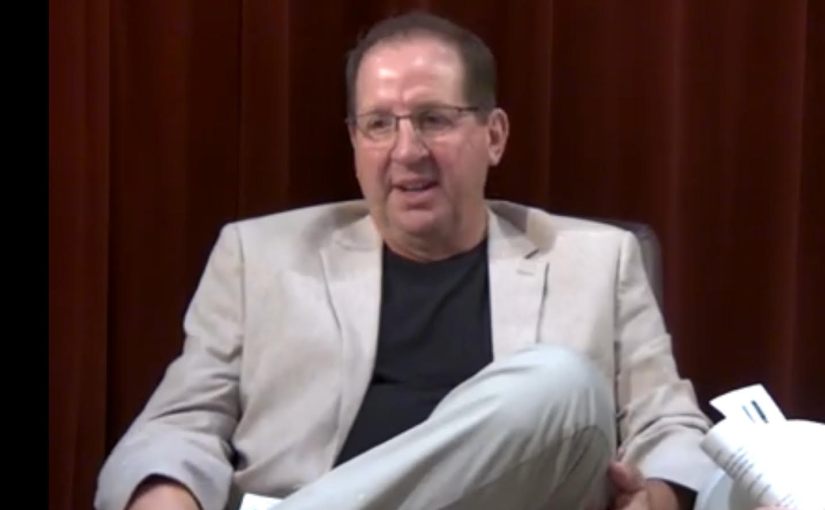
Todd Weatherby is a local product, graduating from Southwestern High School. Two months ago, he joined Siemens AG, an $80 billion global technology company focused on industry, infrastructure, transport, and healthcare. He is CEO of their professional services division, Siemens Advanta. On his way to this position Todd held leadership roles in several technology companies you might recognize: Oracle, Microsoft, and Amazon. He was responsible for the launch of Amazon Web Services ProServe, that ubiquitous AWS brand you see everywhere on TV.
Sharon Kunkel (Weatherby) was his mother. She was an intensive care nurse at WCA Hospital in Jamestown and attended nursing school at Jamestown Community College. In 1984 Sharon died of acute leukemia.
“Acute seems like an understatement,” Todd says. “From the time she complained of symptoms that she described as feeling like mono, or the flu, she was gone in just twelve days. Most of that time was spent at the hospital in Erie where they were guessing at the cause and the treatment. Easily the most traumatic experience of my life. Impacted me in ways that I’ll never fully understand.”
It was tragedy on a titanic scale for the people who knew and adored Sharon, and it’s impossible to say for certain if her death informed Todd’s success (though you don’t have to be a psychologist to suggest such a thing). But from her death, as from so many others whose memories deserve cherishing, came a glimpse of hope.
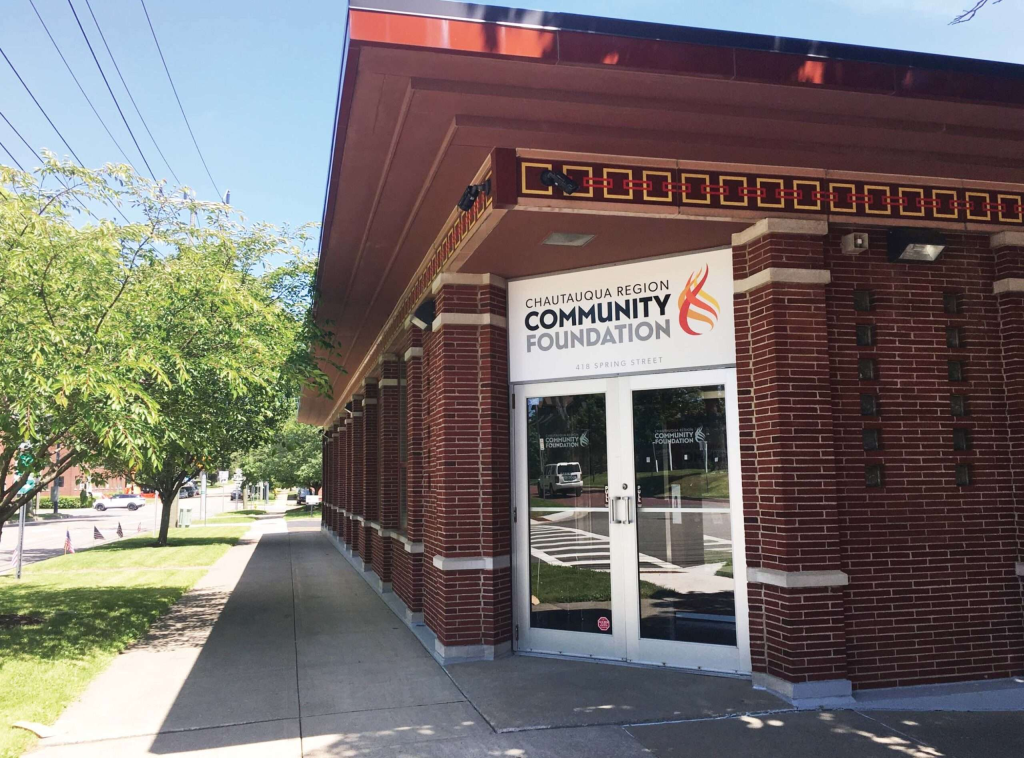
The Chautauqua Region Community Foundation (CRCF) is a major depository of philanthropic giving and scholarships in the county. It administers over seven-hundred endowments in support of emerging community needs, charitable organizations, and local students pursuing higher education. The organization has a community-wide, big-net mission to do more than process donations; they are also “deeply committed to creating a vibrant region where every resident feels connected and has the opportunity to thrive” (per their website).
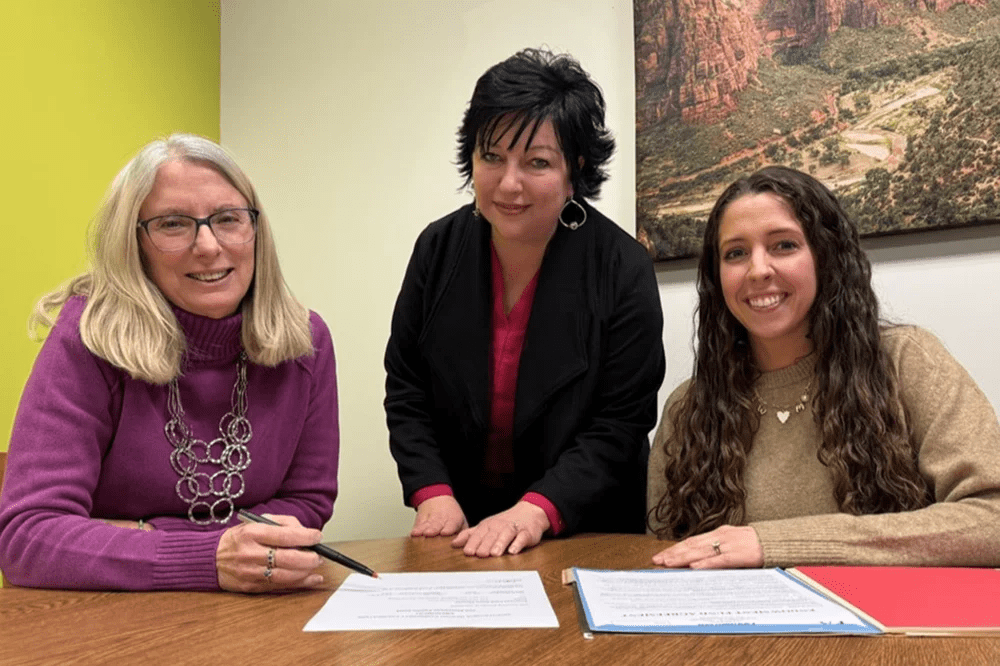
In 1978, a group of Chautauqua County citizen commissioned a national expert on community foundations to explore the possibility of setting up an endowed fund to support the area. That originating group included some important names in the cadre of Chautauqua benefactors; Carl Cappa, Barbara Carlson, Betty Erickson, Francis Grow, Miles Lasser, Elizabeth Lenna, Marion Panzarella, Richard Parker, Samuel Price, Sr., John Sellstrom, and Kenneth Strickler. The expert inferred that the area was too small to support a significant endowment but was impressed enough with the level of charitable giving here that he endorsed the creation of a foundation in Chautauqua. The history of the CRCF reads, “The Chautauqua region was very fortunate to have a forward-thinking group of individuals who saw the need for a community foundation. These individuals gave their gifts of time, dedication and leadership, in seemingly endless amounts and are the very reason CRCF exists today.”
Nearly 40 years after her passing, the memory of Sharon Kunkel lives on in the spirit of her two sons Todd and Tim, their families, and in the Sharon Kunkel Nursing Scholarship. In those four decades, there have been 48 students awarded, twelve of which were awarded multiple times (62 total awards) totaling $32,379.
Lisa Lynde, the Donor Services Officer at CRCF gives a recent history of the scholarship: “In 2022 we had eleven qualifiers, in 2023 we had nineteen. Last year our Healthcare Scholarship Selection committee, made up of a group of volunteers with healthcare backgrounds really liked the applicants, one stood out, and two others were great candidates, so they decided to give the biggest portion to the first choice, and then divide the balance between the remaining two.
Todd and his wife Lynda have two kids Kyle and Dana. Tim Weatherby and his wife Mary have two kids Lynn and Maxwell. They continue to support nursing students in WNY via this CRCF scholarship in their mother’s memory.
Donations to grow the Sharon Kunkel Nursing Scholarship Fund can be made online at crcfonline.org/give or by mailing a check to Chautauqua Region Community Foundation, 418 Spring St., Jamestown, NY 14701.
For more information visit www.crcfonline.org or contact Lisa Lynde, Donor Services Officer at 716-661-3390 or llynde@crcfonline.org .
 Bill Burk's collective writing...and some other stuff.