Mason Winfield’s

SPIRIT WAY PROJECT

© MASON WINFIELD 2023 SPIRIT WAY PROJECT 2023:

The paranormal expert/examiner/medium/TV personality steps boldly into the house/barn/cellar/church, the one that locals say is haunted, the site that bumps in the night. An audio-visual crew follows diligently. They pack equipment designed to detect the undetectable, to record the mysteries within; a ghostly apparition, a supernatural aura, a sixth sense.

And…CUT

PRINT

Mason Winfield has a deep and abiding interest in the paranormal. It’s been his life work (as evidenced by his vitae on his website http://www.masonwinfield.com). He’s a lecturer, author, storyteller, scientist. He is not, by his own reconning, a “ghost-hunter.” If there’s a profession that informs and directs his attention and talents, it’s probably best described as “Truth Seeker”.     

He believes it’s time for the industry to innovate, to broaden its influence. “If there’s a possible way to the truth, you have to take it, don’t you?” he says.

To accomplish this, Winfield seeks to employ a field of multidisciplinary professionals, people different in cultural and thematic sensibilities, to explore ancient spaces, areas of the northeastern United States that have universally experienced what he calls “EHE”, Exceptional Human Experiences. “Why do people say they see the thigs in the paces they do?” Winfield asks.    

It’s a query he hopes to answer with The Spirit Way Project.
Designed like the popular European group The Dragon Project, The Spirit Way uses the resources of scientific and paranormal disciplines to research the undeniably interesting and real world of EHE.

Winfield says, “The reality-TV paranormal industry typically studies buildings no more than a century-old–as though haunted sites are sensational and rare, no more original ones can be found, and paranormal sightings occur only indoors. It also barrages us with two perspectives, either intuitive–psychic–insights or surveillance ghost-hunting, as though using electronic and digital instruments as a glorified Ouija board is some objective avenue to the truth–and no other avenues of insight are available.”

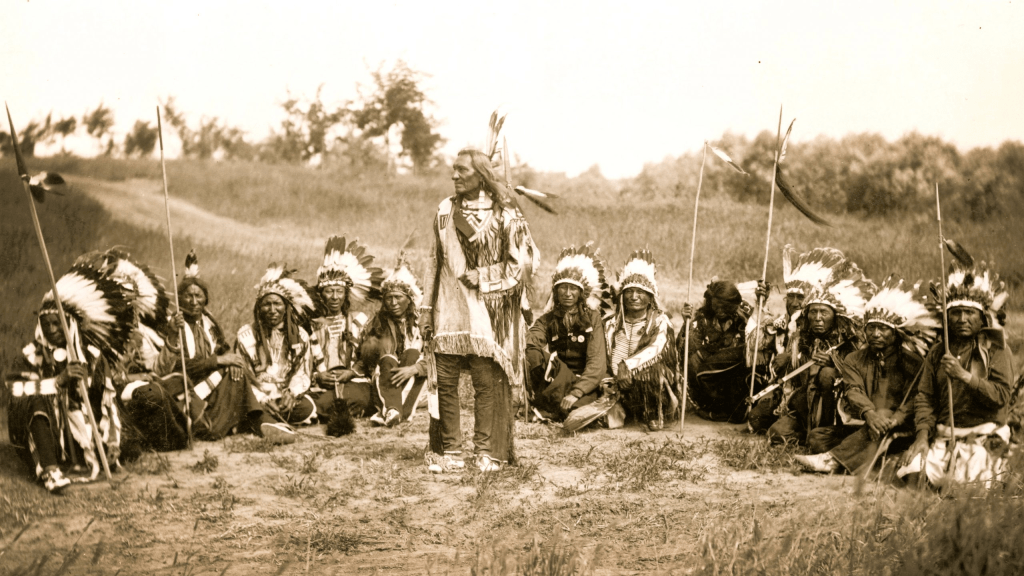
Differentiating from the television shows you night have seen, The Spirit Way is basically a two-fold approach to supernatural investigation; using ancient resources to identify sites of EHE that have survived and inspired humans for centuries (think Native American history and collective consciousness), and to coordinate with any and every discipline to develop a coherent and multi-faceted theory of those experiences. So far, the group has employed:

A Feng-Shui Master, an Algonquin Elder, an African-American psychic medium, an author/researcher/paranormalist, a psychologist, two master dowsers, local scholars, historians, anthropologists, geologists, First Nations leaders, aerial surveillance experts, and team of paranormal investigators.

The goal of the team is to examine sites of reported Exceptional Human Experiences through the disciplines of geometry, shape (symbolic form), geology (earth-energies), archaeo-astronomy (an awareness of sunrises, moonrises, equinoxes, and solstices), and alignments across broad stretches of landscape to suggest codes if not messages.

“It’s been a challenge. There are no upstate surveys of supernatural events; national, but not local. All anyone can agree on is that these monuments had sacred function–and that, like Stonehenge and the Great Pyramid and a worldwide league of others, they are paranormal sites. In their proximity, people report exceptional experiences. Just like a haunted house–though vastly grander and more profound–these ancient American sacred sites get a lot of ghost stories.”

Winfield lives in East Aurora, and understands the newer supernatural phenomenon in Western, New York. Along with his partner, and co-founder of The Spirit Way project, Algonquin Elder Michael Bastine, who Winfield calls one of the best teachers in the world on the subject of native supernatural history, the goal is to broaden the scope of their studies to the ancient world.
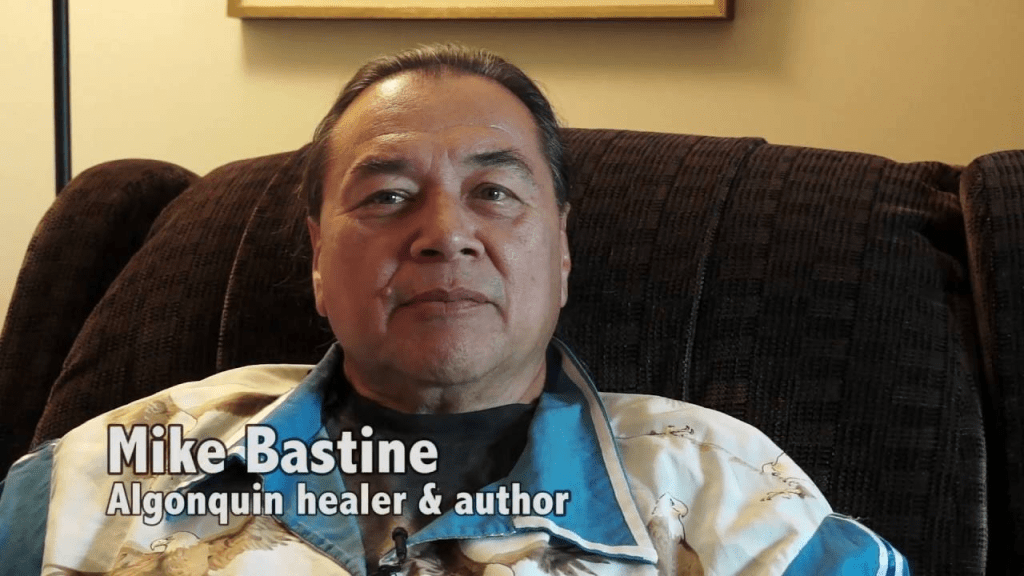
“The ancient monuments of the British Isles have been preserved and studied,” Winfield says,” We want to start a new model of north American haunted sites, ancient places, not buildings, hut rather the outdoor sites, real study from different perspectives.”

The Spirit Way will start with a program of fifteen YouTube episodes in New York State.

Winfield concludes, “There is more to the paranormal. The Spirit Way Project (SWP) believes it’s time for a revolution. We think the public thirsts it.”

Mars Inc. And Culture Wars

A cultural question of stereotypes and branding for you.

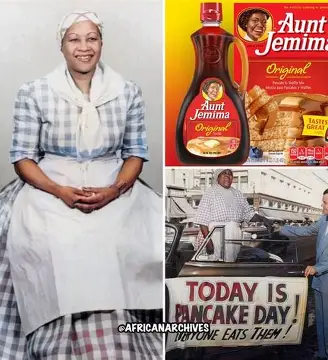
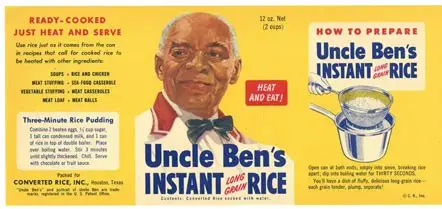
A while ago Quaker Oats and Mars Inc. rebranded their two most iconic brands, Aunt Jemima, and Uncle Ben in direct response to the 2020 George Floyd choking tragedy. The legacies of those brands are both widely considered to be Antebellum representations of slavery (calling freed slaves aunt and uncle was a way to avoid having to call them Mr. or Mrs.). The trademark pictures evoke vision of blacks as servants, Jemima in a scarf, Ben in a bow tie. Removing those characters from public consumption, can be considered a reasonable reaction.

It doesn’t seem complicated, but it is. The topic is incredibly nuanced. But I do believe the discourse surrounding the controversy can raise some pointed questions for reasonable discussion. My thoughts, admittedly brief in the lines I here, are these.

-Does the statute of limitations run out on racial stereotypes? I have a solid sense that those icons have historically dubious implications. But my children don’t. Their children won’t. To them, the characters on the box mean pancakes and something they don’t like for dinner (rice); they are vague pictures on packaging that triggers the idea of quality. Do we who know the story have an obligation to relate what those icons might mean? To what end?

-Is racism, or bigotry a deeply personal thing, or can it be the purview of another person or body politic. Can you outsource offense? Isn’t that a mild form of bigotry in itself?

     What if bigotry against me (in my case, think ageism) doesn’t bother me but offends others. In that case, what do I owe my station (my old brothers and sisters)? Should I pre-empt intolerance that might some day affect me? Do I need to get involved? If so, when, and for whom? Do I owe that feeling of offense to other groups that are discriminated against?

-The Aunt Jemima and Uncle Ben’s brands (along with others like Cream of Wheat, and Mrs. Butterworth’s), have for years been accused of using racial stereotypes to sell food. It shouldn’t have taken Floyd’s murder, caught on camera, for Quaker Oats to decide their brand were racially nuanced.

     I assume multi-billion-dollar corporations follow paths of least resistance for the sale of their products; they rarely set cultural or moral ideals, they follow them in the market. Changing the logo on a brand, and claiming it has something to do with a social contract, while possibly coincidentally true, isn’t a driving force for such a business transaction as the sale of food product. Quaker Oats and Mars, Inc. didn’t change logos because those icons had basic racial overtones. They changed because they believed it would sell more syrup and oats to more people (or at least that they’d sell the same amount and get some publicity and social credit in the balance).

     But what if the face of that brand doesn’t believe that the brand they represent is a racial offense, or that at least a discussion about it is warranted?

     The family of the Lillian Richard, who portrayed Aunt Jemima, has a different take. While they support the Black Lives Matter movement that generated the brand change, they would still like to celebrate the idea that their ancestor played an important part of history.

     “All of the people in my family are happy and proud of Aunt Lillian and what she accomplished,” says Vera Harris, Richard’s niece. “Erasing my Aunt Lillian Richard would erase a part of history.”

     In the case of Quaker Oats, the Harris family has an idea that would satisfy a desire to maintain the legacy of their aunt, and to deliver a message of education and reverence to the women who came before her. They suggest a commemorative box to recognize the many women who portrayed Aunt Jemima over the years. A box that would include a photo of her aunt dressed as Aunt Jemima with the scarf, along with a photo of Richard looking like herself to show people a complete picture.

Seems like asking the people involved is a good place to start.

The Princess Chautauqua

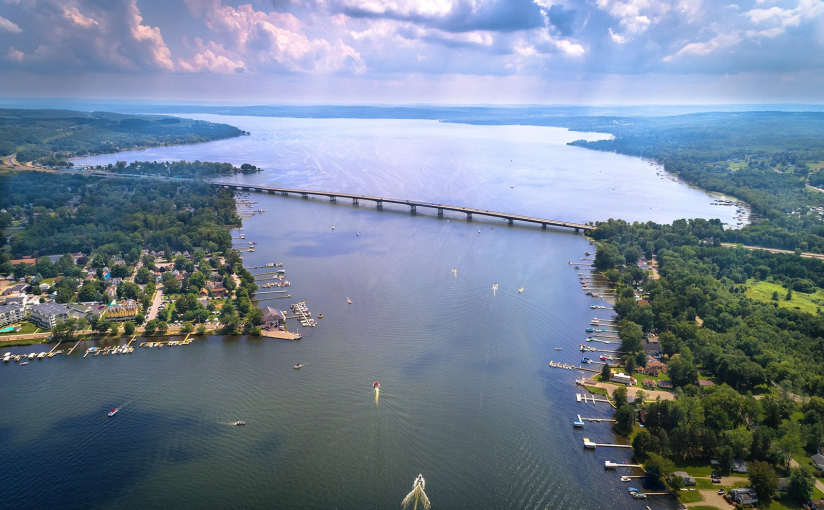
She knelt by the water, where the tip of Long Point State Park reaches out into Chautauqua Lake. In the small hills behind the peninsula, up where what is now Ellery Center, fires burned, screams and whoops echoed up and down the bluff. This was the end, the dying gasp of a people, of an identity, of her tribe. Anyone who survived the slaughter would be taken into slavery by the marauders.

She was trapped on this narrow spit of land. She could swim across the narrows to the other side of the lake, but there was really no escape, they’d be waiting by the time she reached shore. She couldn’t go back the way she came, there was only one path that led to the opening of the point.

She waded into the shallows.

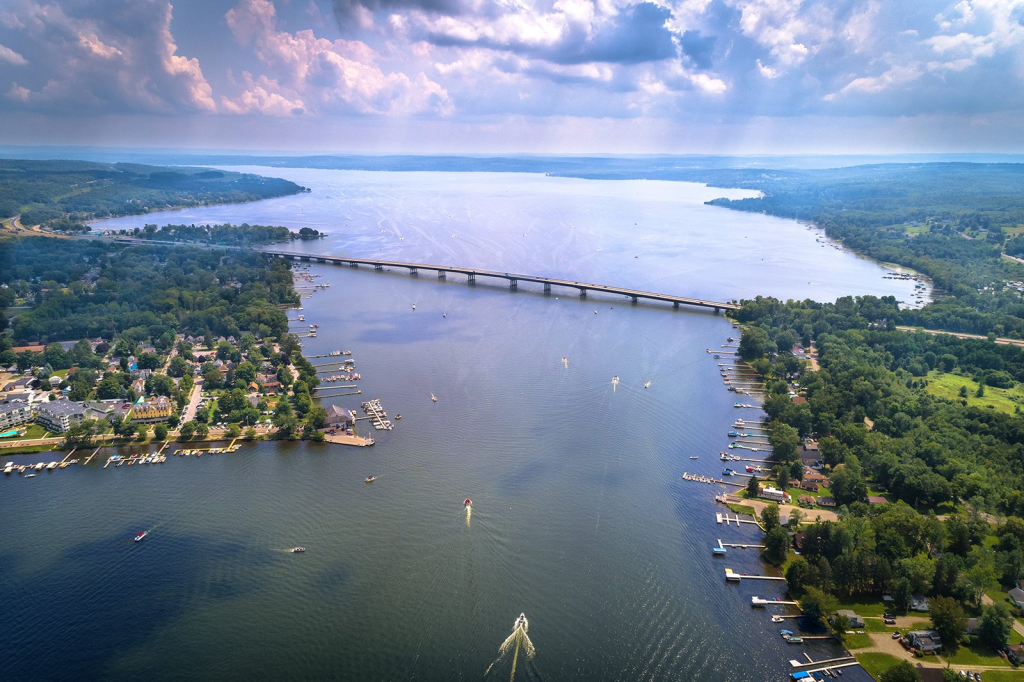
In a world where information is ubiquitous, literally at the tip of the finger in quantity, it’s amazing that the word Chautauqua doesn’t have an authentic, agreed-upon translation. An etymological search will tell you it has Haudenosaunee origins -Haudenosaunee being another name for the Iroquois nation- describing something “tied in the middle”, like a bag, or a pair of shoes by the laces, the general shape of Lake Chautauqua with its northern and southern basins separated by the narrows at Bemus Point and Stow. That crossing is measured in yards, while the widest places, both north and south are around two miles from shore to shore (the lake itself is about seventeen miles end to end). Chautauqua can also refer to everything from indigenous lands in Colorado, to a cultural and educational movement from the late 1800s. That’s a wide swath of interpretation for a single word.

     What’s known is that the Erie Indians who occupied our current borders, the original Chautauqua Lakers, were wiped out of existence (along with no fewer than eight other native tribes), by the French and the Iroquois Nation in the Beaver Wars, massacred or taken hostage by the martial factions. Before the people of Europe settled here, the bucolic landscape we know as Chautauqua County saw a fair share of carnage and bloodshed.

     The speed with which the Iroquois engulfed regional Indian communities meant that no one had time to do an extensive study of the Erie language, and their native tongue died with them. What’s left are loose translations adopted from leftover Iroquois dialect, hence the word Chautauqua has renditions sweeping from the above mentioned “bag tied in the middle” to the vastly different “place where fish are taken.”

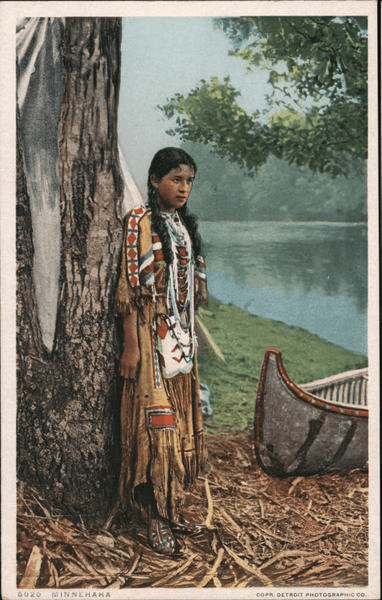
Then there’s the romantic, tragic myth of the Erie Indian Princess.

Legend has it her name was Chautauqua. Chat was a French supplied nickname for the Erie people, meaning “cat”, and Taquan which means “spiritually aware and prone to self-sacrifice”. When her people chose to fight the Iroquois rather than surrender, fool’s errand for the agrarian, mostly peaceful Erie tribe, they were destroyed by the fierce and combinative nation, eradicated as a show of force to discourage other tribes from resisting.

Wikipedia says: The Iroquois League was known for adopting captives and refugees into their tribes. Any surviving Erie were absorbed by other Iroquoian tribes, particularly families of the Seneca, the westernmost of the Five Nations. Susquehannock families may also have adopted some Erie, as the tribes had shared the hunting grounds of the Allegheny Plateau and Amerindian paths that passed through the gaps of the Allegheny. The members of remnant tribes living among the Iroquois gradually assimilated to the majority cultures, losing their independent tribal identities.

The Erie Indian people simply went away, and with them any coherent, stipulatory meaning of the word Chautauqua.

The Erie Princess Chautauqua waded deeper into cool waters off Long Point. She looked back at the land she knew, her birthplace and home. She pictured the faces of her family, her father, mother, brave brothers, and sisters. All gone now. She knew they wouldn’t survive the slaughter. There was nothing left for her but to commit the ultimate act of Indian royalty, the last great measure. 

     As the Iroquois warriors (along with French and Haitian mercenaries) approached from land, she turned and walked into the depths of the lake. In an act of defiance and sacrifice she drown herself. And thereby christened the body of water Chautauqua.

CIVIC THEATER

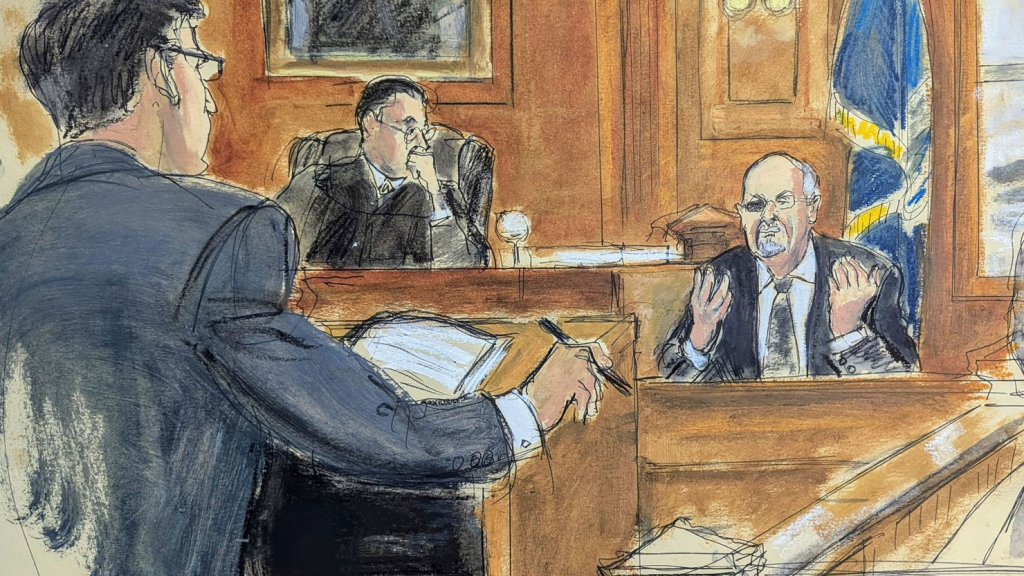
I’d like to suggest that, if you have some time and you’re bored, weather-weary, or interested in beng entertained for free, you go to a local civil business meeting; a session of court, or a meeting of government legislatures (town, city, village, school board, etc.). It’s a fascinating live-action choreographed play of official customs put on periodically to run the business of a court, school district, town, or village. It’s ceremony and improvisation. It’s ritual and interpretative.

     And it’s all free and open to the public. You already bought a ticket with your tax dollars; you are one of the producers. These meetings and proceedings are all, on some level, vastly entertaining with the side attraction of being informative.

     You just have to leave your firearms at the door.

Photo by Sora Shimazaki on Pexels.com

If it helps, don’t look at it as an act of civic duty, though that’s not a bad excuse and after-the-fact benefit, but rather as a venue of entertainment, like a movie theater or improv stage, watching a documentary before it’s made, or a live sporting event. There’s a composition that reminds you of a ballgame -pick the sport- a schematic to focus the action. There are rules and decorum and process, players you root for, villains you hope strike out, officials and umpires who move the game along, call fouls, mediate the action, time-outs, coaching (mostly by attorneys), rosters of players to follow. Rookies navigate the proceedings with caution and reverence, or false bravado and arrogance. The seasoned veterans perform with nonchalance and forbearance. These events, which you can find scheduled in your local newspaper, really can be compelling spectator sport.

 Your local government, performing in real time, is the heart of Americana at work, law, and decorum and ritual and Robert’s Rules in action. It’s so much more relevant and immediate than national politics, the decisions made have a much more direct effect on your life (your tax bill, for instance). You can follow along a posted itinerary, like a theatrical production, or a religious service, but you won’t know what’s going to happen until it does. There will be some drama, maybe passion, maybe anger, maybe rebellion. Feelings will be hurt, egos salved, there will be compromise and judgement, agreement, and most importantly, discourse.

As an impartial spectator your presence won’t be entirely anonymous; you will be noticed. The looks on the faces of the presiding establishment (a board or a court) will be worth the trip. These “officials” don’t typically perform in front of a live studio audience, they tend to like their vacuums, and when they do have an audience, it’s usually filled with familiar faces. I’m not saying they have anything to hide (necessarily), the press usually covers their meetings thoroughly, and the minutes are FOIL-able public knowledge. I am saying that with you there, they’ll sit up a little straighter, keep their eyes open longer, pay more attention. I don’t blame them; nobody running a meeting where they are held accountable for the daily lives of its constituents likes to be surprised or blindsided by an issue, a train they didn’t see coming. They prefer things to go along their predicated schedule, to control the narrative.

     Board member: Why are you here?

     You: I’m here for the show.

     Board member (pauses, scratches head): But why?

Something unexpected and off-script will happen, that is almost certain. Sometimes you have to wait, like a baseball game where batter after batter goes to the plate, and suddenly one smashes a ball into your lap. But somebody will say or do something that will surprise you. A decision will be made that you applaud or boo.

You will be entertained!

To review, going to a meeting of your local governing boards or court;

Upside: free, entertaining, and informative.

Downside: no concession stand.

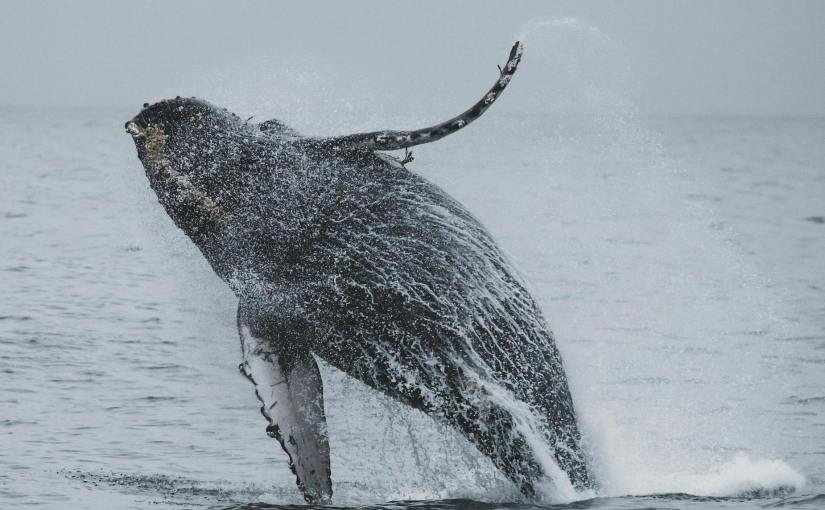
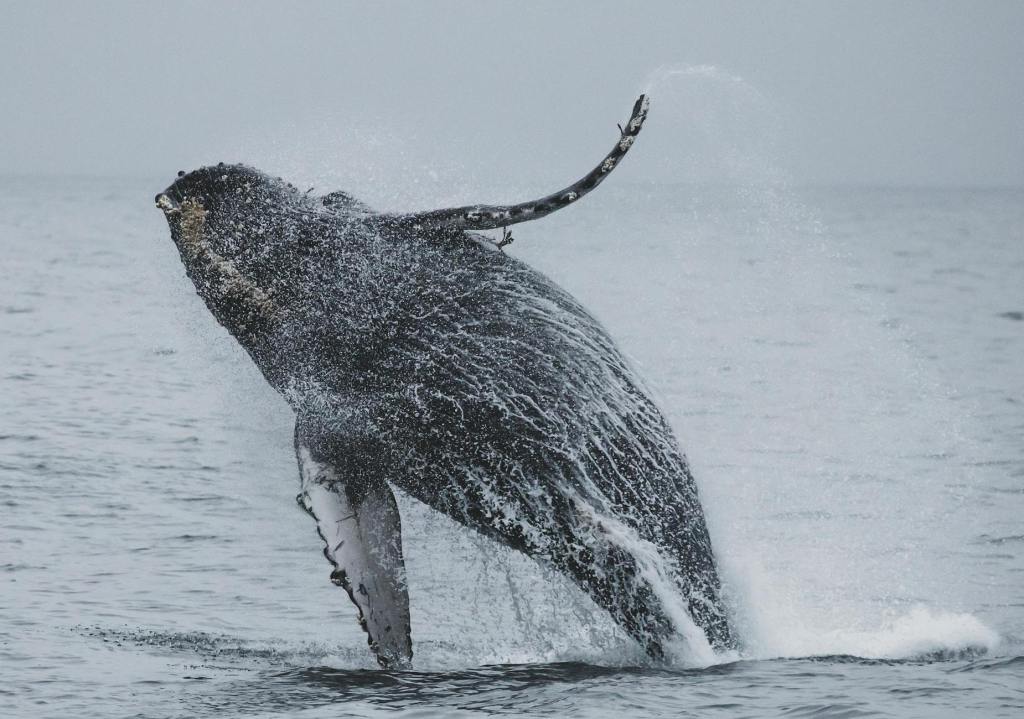
My Great White Whale!

Apologies to Herman Melville
I’d like to preface this week’s talk by saying that I’ve never had a hole in 0ne, it is my white whale, On a golf course, I am Ahab.

If you’ve never read Moby Dick, all 13,000 pages of practically indecipherable prose, and which one of us hasn’t, you’ll recognize the cursed lament you are about to hear. If you haven’t then please bare with me
I’ll start.

There’s a white whale out there, it exists in my mind, the nod of other, the ones who stand on a level swatch of grass, weapon in hand, goal in front, and a keen eye for a prize. That prize is some distance off, measured in yards and years. It’s elusive, much on the side of impossible. But others, many more of a fact, many more skilled, many less so, many have skulled that white behemoth. Don’t let them fool you, the skilled and the unskilled alike.
They are, to a person, lucky so and sos.

Photo by Andre Estevez on Pexels.com

With tee in my hand and ball in the other I set the course, seeking, as so many do, the very soul of perfection, the score of one.

“They think me mad – First for playing this impossible game, next for hunting the incredible within the impossible; hopelessness squared, then trebled, and finally, the last chance, the ultimate par 3 on this maddening sea.
The target -my whale- is almost beyond my aging sight. It’s great white snout barely visible across the expanse of green sea. Marked with a flag, a sign of where to look, where to strike. It might as well be a single wave on the vast sea, so elusive, so finite.

  1. “But today is the day, I can feel it, deep in my bones, in my hands and my Footjoys. Let faith oust fact; let fancy oust memory; I look deep down the fairway and do believe.”
    The others stand my side, they wait, knowing it is I alone the whale has escaped, they to a person, have conquered their own beast, some more than once,
    They let me know, keep me informed of their loud victories against the great white,
    They are, to a person, arrogant so and so’s.
    “‘Stop your grinning,’ shout I, ‘and hand me my trusty harpoon.

“I’VE piled upon the whale’s white hump the sum of all the general rage and hate felt by my whole race from old Tom Morris, to Bobby Jones, Sneed, Palmer and Niclaus on down; and finally me, the Ahab of these times.
I try all things, I achieve what I can.”
My hopeless resignation is not understood,. It is not appreciated “To be enraged with a dumb brute an unlikely task, that acts out of blind instinct is blasphemous.” The ball nor the hole gives an acre of heed to my strike. It just sits there…
But MOCKING..mocking.
“To the last I grapple with thee; from hell’s heart I stab at thee; for hate’s sake I spit my last breath at thee.”
I strike and wail: Go in the hole you cursed thing”

Photo by Thomas Ward on Pexels.com


“That wild madness that’s only calm to comprehend itself!” That clubbed harpoon that sails past the whale, and mocks me, looking back to say, what did you think was going to happen? That I’d wind up in that blow-hole? That I’d give you rest? That I’d put your name n the papers, and let you join that unholy cabal that has surely given some part of their soul to enjoy this achievement?
“That ain’t no whale; that a great white god.” I scream
Tis simply a hole in the ground, say my partners.
“Then all collapse, and the great shroud of the sea rolls on as it rolled five thousand years ago.”
I did not feel the wind, or smell the fresh cut of grass. I only stood, staring at the horizon, with the marks of some inner crucifixion and woe deep in my face.” As the small white ball slipped past the hole to settle with grim satisfaction in the shadow of the flag, and my fellow golfers said to me, “better luck next time”, which, incidentally, is exactly what I would have said to the Melvin’s Ahab.

For more of Bill Burk Talks go to WJTN podcasts on the web.


For more of my writing, hit me up at http://www.billburkwrotesomething.law.blog

Or check out my book RUN! From Civil War to the NFL; The Jehuu Caulcrick Story, available on Amazon.


Would love to hear from you.