Ellicottville, N.Y; An Abolitionist Story

In 1836, the formation of the Cattaraugus County Anti-Slavery Society in Ellicottville marked a bold stand against slavery, reflecting growing abolitionist sentiment in rural western New York.
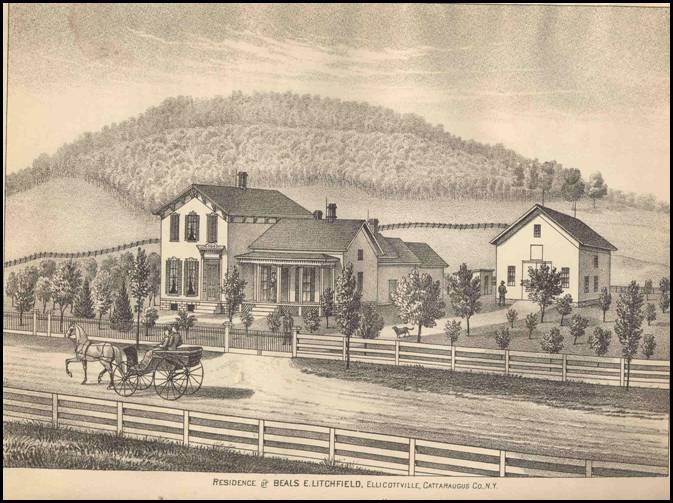
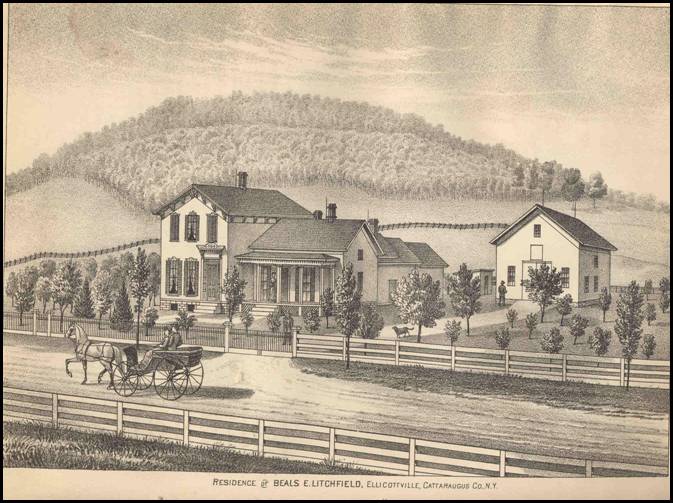
Ellicottville circa 1879

In 1836 Ellicottville was as a bona fide town in the state of New York, and recognized as the county seat of Cattaraugus County. It has a population of approximately 635 people, pioneers who carved the small burgh out of the wilderness, buying up acreage from the infamous Holland Land Company starting in 1815. The citizens are industrious and self-sufficient. The town boasts a hotel, a school, a church and a tannery. By the 1870s, Ellicottville will have everything a thriving community needs including stores, banks, and professionals like doctors and lawyers.

The citizens are also socially broadminded with foresight and a progressive resolve that makes them distinctive for such a small community. In 1835 the community opened The Ellicottville Female Seminary, one of the first religious schools for women in the United States, a radical cause célèbres that marked Ellicottville as a pocket of liberal activism in southwestern New York.
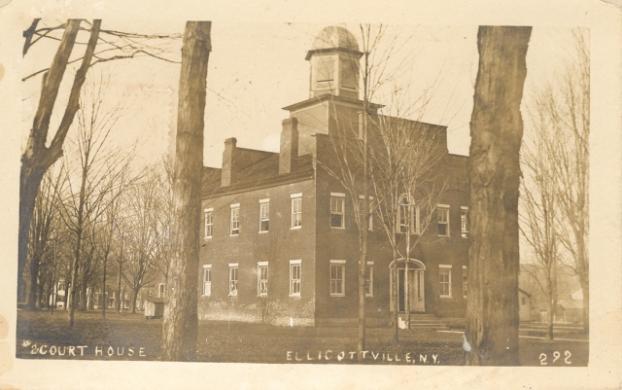
The Ellicottville School

In the Spring of 1836, a small group of Ellicottville citizens met in the refectory of St. John’s Episcopal Church on the public square. St. John’s was the first Episcopal in Cattaraugus County, a sterling example of early Gothic Revival Church Architecture, uncommon in this region.

     They arrived to hear a lecture from abolitionist speaker Huntington Lyman. He was there on behalf of northern abolitionists, specifically American Anti-Slavery Society, to speak about the evils of slavery. The meeting wasn’t without controversy. Lyman’s talks stirred strong emotions within the burgeoning community.

Lyman studied at Lane Seminary, where he joined the Lane Rebels, a group of students who left the seminary in protest after being banned from discussing slavery. He graduated from Oberlin Seminary in 1836, a hub for progressive thought and abolitionist activism. From there he began his lecture tour, stopping in Ellicottville in April of that year.
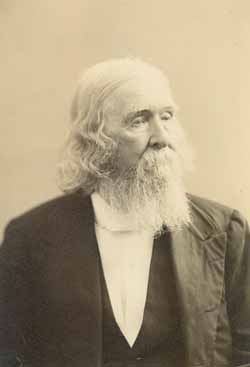
Huntington Lyman

Abolitionist sentiment was growing in the North. Organizations like the American Anti-Slavery Society, founded in 1833, were distributing pamphlets, organizing lectures, and flooding Congress with petitions demanding the end of slavery. This was met with fierce resistance from pro-slavery politicians and citizens, especially in the South. This was, after all, the precursor to the bloody Civil War. Slavery was obviously deeply entrenched in the southern United States, and even though it wasn’t a known practice in Ellicottville, it was still legal. At the 1836 meetings some Ellicottville residents supported Lyman, others viewed his presence with trepidation and skepticism, as a threat to public peace. Local debate was intense. The Ellicottville Republican called his lectures “exciting and dangerous,” but Lyman himself was described as a “disturber of the peace”.

     More meetings, more lectures were scheduled, and Lyman persisted. After a few weeks of attracting only a handful of people, a larger gathering was held at the local schoolhouse on April 23, 1836. It was at this assembly, amid heated discussion and public tension, that the Cattaraugus County Anti-Slavery Society was officially formed.

     The impetus and mission of Society was not only to broadcast a very public ethical stance on the practice of slavery, but to communicate and coordinate with the Underground Railroad that passed through the Buffalo-Niagara region.

It is a credible achievement that the people of Ellicottville had the moral capacity to embrace the anti-slavery movement even in small towns far from the political spotlight in big cities like Philadelphia and Chicago. The residents felt compelled to take a moral stand. Their actions reflected a growing awareness that slavery was not just a Southern issue, it was a national one, and silence was complicity.

This article and others can be found published in The Villager Magazine at https://thevillagerny.com/

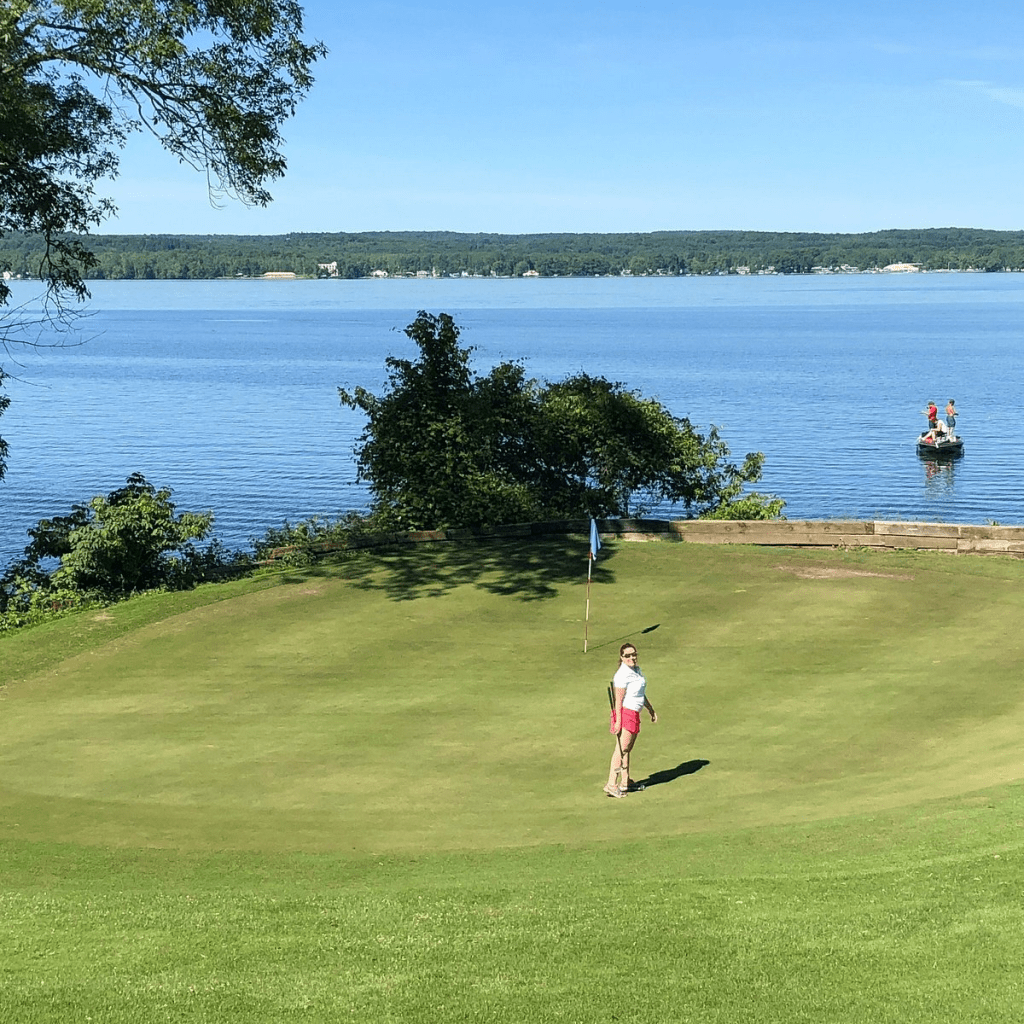
THE POINT CHAUTATQUA GOLF SITE PROJECT

“I tell ya, country clubs and cemeteries are the biggest waste of prime real estate.”

Al Czervic

It was inevitable, like the waves that lap against the back of seventh green. The land is just too beautiful, just too perfect, just too valuable.

The Chautauqua Point Golf Course, at 5678 East Lake Road in Dewittville sold recently, the second time in just over two years. In February of 2022 The Chautauqua Lake Development LLC of Springville purchased the property for just over a million dollars. They re-listed the property and this past July 2023, The 1200 Group of Buffalo bought the three parcels that made up the golf course for $2.2 million (along with other East Lake Road real estate belonging to the James K. Webb Living Trust, and Webb’s Harbor Restaurant and Bowling Lanes, Inc.).

The 1200 Group is led by Bill Paladino, son of Carl Paladino the ubiquitous Buffalo developer and politician.

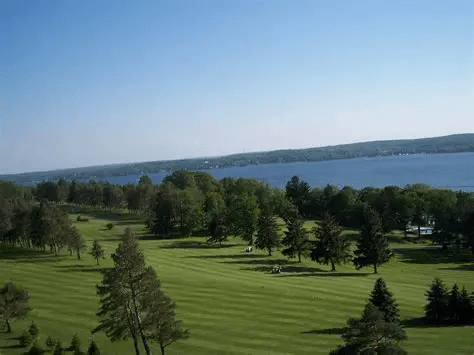
The first sale brought to an end a century-long run for the local recreational treasure. With origins dating to 1907, or 1914, depending on which source you reference, the course was the oldest in the county, predating it’s younger, more famous and broader brother from across the lake, The Chautauqua Golf Club by at least ten years. The history of the golf course is a little muddy, but it’s generally agreed that the land was obtained by Henry Clay Fownes, designer of Oakmont Country Club in Pittsburgh, ostensibly to cater to Pittsburgh and Cleveland golfers looking to work on their game while summering on the lake. Oakmont, established in 1903, is regarded as the oldest top-ranked golf course in the United States, and has hosted 20 national golf championships; the U.S, Open is scheduled there in 2025; Chautauqua Point, overlooking the northern basin of the lake had some impressive pedigree. There is a rumor that the famed golf architect Donald Ross had a hand in designing the course, but there’s no indication from The Ross Society that this was the case (he did help design The Chautauqua Golf Club, so it’s possible he took a swing by the point to take a look). The course evolved over the years  into a 9-hole gem, the only golf course that touches the lake, though condominium development over the years squeezed that lakefront border down to a few precious feet directly behind the seventh green.

The weather-dependence and uncertainty of making a golf course profitable, especially in this climate, finally gave way to the economics of developing prime real estate into a more profitable venture; East Lake Road on the lake side land is simply too valuable to leave unused under snow for five months a year. The course has been closed since the sale in 2022, the repurposing of the land unavoidable.

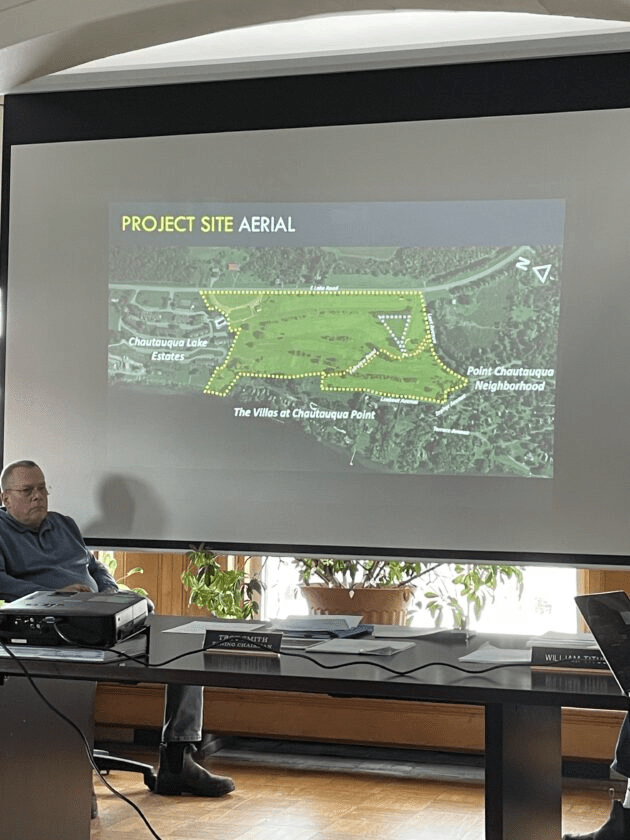
Tom Fox is the Director of Development for the Ellicott Development Company. He is heading up the group looking to turn the old Point Chautauqua Golf Course into a housing community. The project, tentatively called Sunset View at Point Chautauqua, has three distinct sections including single family homes, town houses, and condominium-style residential units.

Ellicott Development Company is out of Buffalo and stands as a prominent figure in Buffalo’s real estate sector. Founded in 1975 by William Paladino, this company has played a pivotal role in transforming Buffalo’s urban landscape through a strategic blend of development, redevelopment, and management. With a focus on enhancing both commercial and residential properties, Ellicott Development has significantly influenced the city’s economic and architectural evolution.

     Ellicott Development Company’s origins are deeply intertwined with the historical development of Buffalo, New York. Established during a period when Buffalo was grappling with economic challenges and urban decay, the company emerged as a beacon of revitalization. The founder, William Paladino, envisioned a future where Buffalo’s historic structures could be repurposed to meet contemporary needs while preserving their architectural integrity. This vision has guided the company’s projects and strategy over the decades.

Mr. Fox recently hosted a meeting for the community. I followed up with Mr. Fox recently on his reaction to that meeting, and how the project will develop in the future.

Q: Your initial meeting with the community got mixed reviews. Some of the locals seemed against the development. Is that how you saw it?

Tom Fox (TF): We were happy to see a big turnout at the recent informational meeting we held on Sunset View.  In our experience, active community interest and input results in a better project.  There were many valid concerns that were raised, many of which will be reflected in revised and more developed plans as we further pursue the required approvals to move the project forward.  Despite a general sense of negativity in the feedback at the meeting, we’ve heard a great deal of positive response as well since that time from those in support and with great interest in the success of our project.  Our vision is to redevelop the property in a way that thoughtfully weaves into the existing community surrounding the former golf course property.

Q: That property served well as a golf course. How do you see it as a housing development?

TF: With its dynamic topography, the property has the benefit of incredible lake views including an orientation to the sunset, hence the development naming.  Sunset View will offer a range of high-quality housing options in an amenity-rich resort-style environment that will be home to year-round residents and weekend vacationers alike.

Q: What are your next steps?

TF: Pending receipt of the necessary approvals, which we will continue to pursue following the mentioned plan revisions, we hope to start work on the initial phase of Sunset View next year.  Completion of all project phases will be guided by market demand.  We anticipate that the completion of all project phases could take several years.

Q: How do people find out more?

TF: Here is our project website, where we have project information posted along a video presentation and an opportunity for those interested to reach out with comments and questions…. Sunset View CLC – A Chautauqua Lake Community

To be sure, though there will continue to be a constituency that will miss the rolling fairways, pristine green space, and quaint clubhouse that was the legendary Chautauqua Point Golf Course.