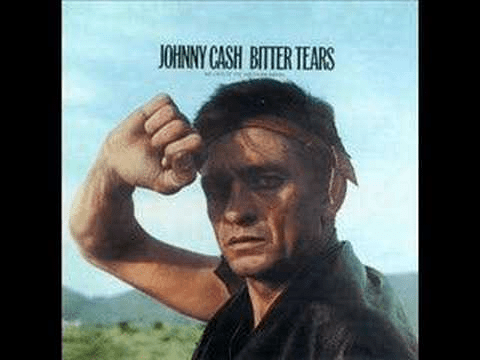
Today is Johnny Cash’s Birthday 2/26/26
I wrote a piece for THE VILLAGER MAGAZINE (find it here: https://thevillagerny.com/) aboout The Kinzua Dam Project and Johnny Cash’s song “As Long as the Grass Shall Grow.”
Doing the research for the article I contacted Mark Stielper, the historian at THE JOHNNY CASH MUSEUM.
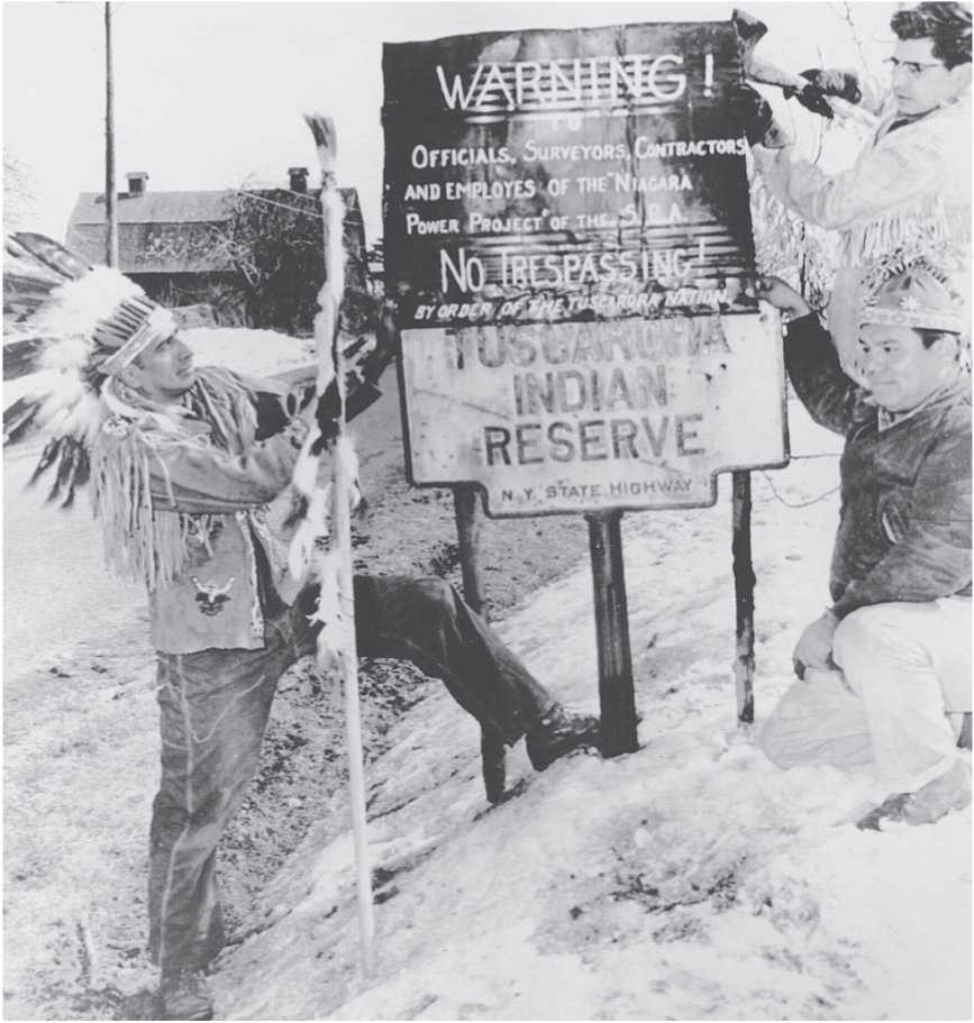
Mark sent me the letter below…it doesn’t have much to do with Kinzua Dam, but it is a nice historical look into Cash and his involvement with the Seneca Nation.
Enjoy the read.
Bill,
Your piece is about Kinzua, not Cash, but I will give you a brief narrative of the latter, and you can cull at your discretion.
Peter La Farge wrote “The Senecas” (the original title of “As Long As…”) in 1962. He was a folk singer and activist. One of his haunts (and where he would die in 1965 at age 33) was Greenwich Village, the scene of his intersection with Johnny Cash. Both men recorded for Columbia Records and, pivotally, they discovered that each had Indian heritage. (They were both mistaken in this understanding of their respective lineages, but at the time, it was a powerful self-identity.)
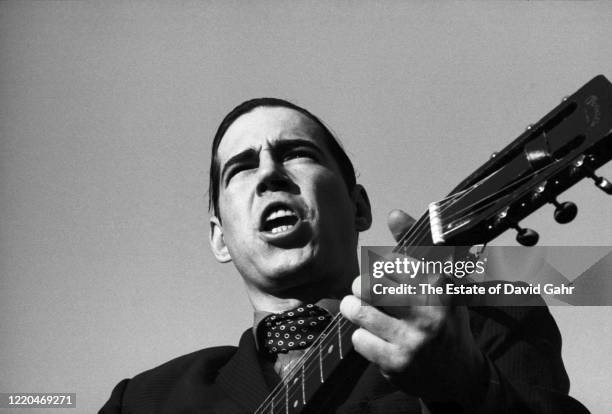
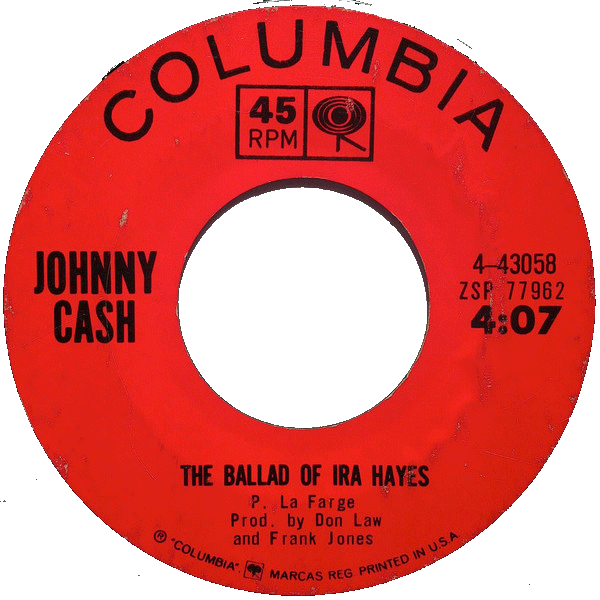
La Farge’s first album for Columbia was called “Ira Hayes” and Other Ballads (Author note: “The Ballad of Ira Hayes” was successfully covered by Cash and Bob Dylan). It wasn’t really a protest album, but he soon assumed the role of spokesman for Native issues. He was abrasive, caustic, loud and generally unpleasant, which did not serve him or the cause well, and he fell out of favor with his fellow protesters (most of whom were into the civil rights arena anyway and found Indian matters passe).
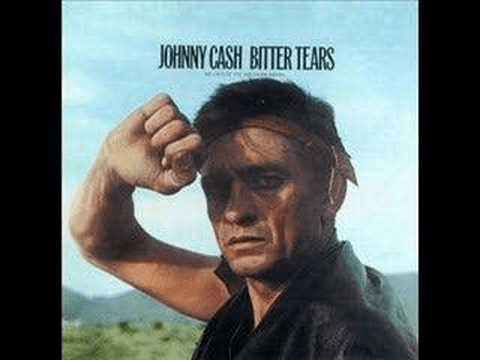
But La Farge and Cash were birds of a feather, “Indians in the white man’s camp,” as it were. The two fed off each other, but Cash grew more prominent and influential, particularly after his huge hits, “Ring of Fire” and “Understand Your Man.” He became obsessed with the stories of Ira Hayes and the Seneca chief, Cornplanter, via La Farge’s accounts. Cash actually visited Kinzua–he would go on these on location missions frequently–and put “As Long As the Grass Shall Grow” as the first track on side one of the Bitter Tears album.
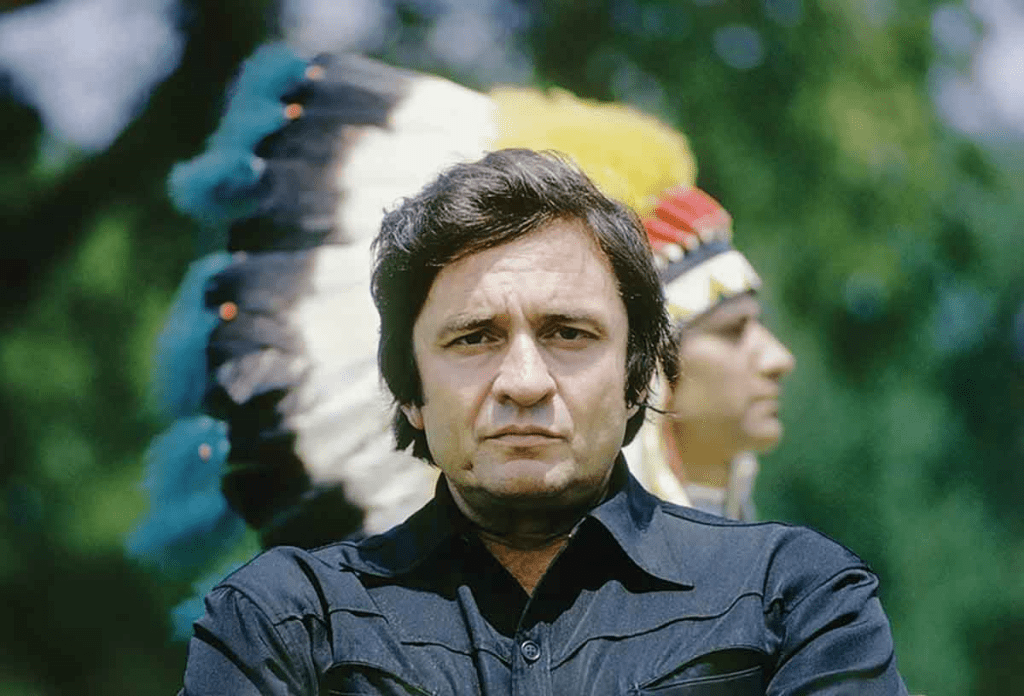
Now, historical accuracy must trump fanciful legends. It is not true that Columbia refused to release the song. It was 1) not a new song and there was no reason to hide it and 2) as pointed out, it had prominent placement on the album.
Although “The Ballad of Ira Hayes” was the single release, Cash remained committed to the Seneca song, often pairing the two in performances, including on his network TV show. The line, “Cornplanter, can you swim?” would be a biting counterpart to “the ditch where Ira died” in personalizing the legacies of the two Indians in a way that La Farge’s scattered screeds could not.
Let me know how I can help you deliver on your mission.

 Bill Burk's collective writing...and some other stuff.