In 1836, the formation of the Cattaraugus County Anti-Slavery Society in Ellicottville marked a bold stand against slavery, reflecting growing abolitionist sentiment in rural western New York.
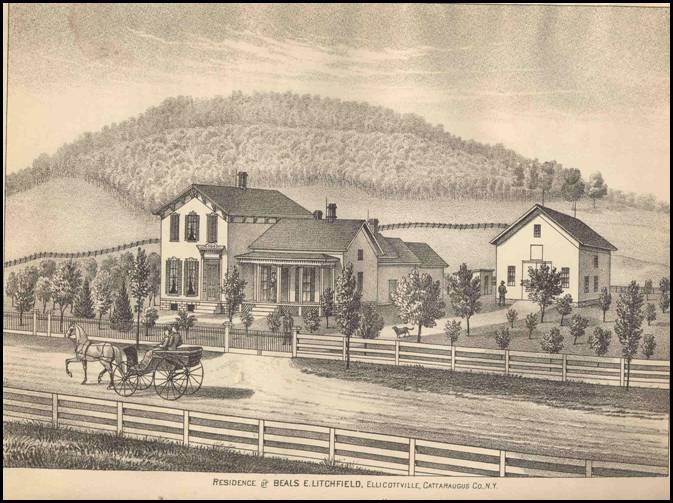
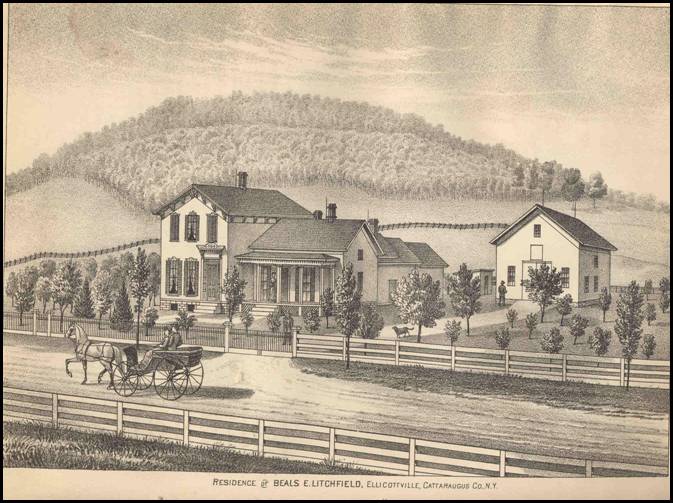
Ellicottville circa 1879
In 1836 Ellicottville was as a bona fide town in the state of New York, and recognized as the county seat of Cattaraugus County. It has a population of approximately 635 people, pioneers who carved the small burgh out of the wilderness, buying up acreage from the infamous Holland Land Company starting in 1815. The citizens are industrious and self-sufficient. The town boasts a hotel, a school, a church and a tannery. By the 1870s, Ellicottville will have everything a thriving community needs including stores, banks, and professionals like doctors and lawyers.
The citizens are also socially broadminded with foresight and a progressive resolve that makes them distinctive for such a small community. In 1835 the community opened The Ellicottville Female Seminary, one of the first religious schools for women in the United States, a radical cause célèbres that marked Ellicottville as a pocket of liberal activism in southwestern New York.
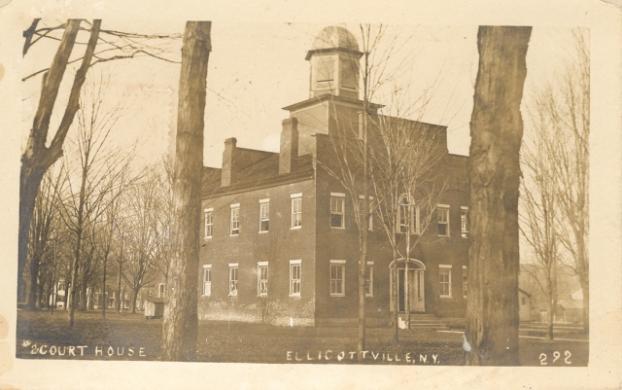
The Ellicottville School
In the Spring of 1836, a small group of Ellicottville citizens met in the refectory of St. John’s Episcopal Church on the public square. St. John’s was the first Episcopal in Cattaraugus County, a sterling example of early Gothic Revival Church Architecture, uncommon in this region.
They arrived to hear a lecture from abolitionist speaker Huntington Lyman. He was there on behalf of northern abolitionists, specifically American Anti-Slavery Society, to speak about the evils of slavery. The meeting wasn’t without controversy. Lyman’s talks stirred strong emotions within the burgeoning community.
Lyman studied at Lane Seminary, where he joined the Lane Rebels, a group of students who left the seminary in protest after being banned from discussing slavery. He graduated from Oberlin Seminary in 1836, a hub for progressive thought and abolitionist activism. From there he began his lecture tour, stopping in Ellicottville in April of that year.
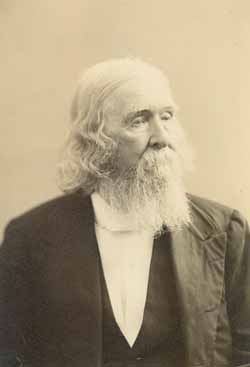
Huntington Lyman
Abolitionist sentiment was growing in the North. Organizations like the American Anti-Slavery Society, founded in 1833, were distributing pamphlets, organizing lectures, and flooding Congress with petitions demanding the end of slavery. This was met with fierce resistance from pro-slavery politicians and citizens, especially in the South. This was, after all, the precursor to the bloody Civil War. Slavery was obviously deeply entrenched in the southern United States, and even though it wasn’t a known practice in Ellicottville, it was still legal. At the 1836 meetings some Ellicottville residents supported Lyman, others viewed his presence with trepidation and skepticism, as a threat to public peace. Local debate was intense. The Ellicottville Republican called his lectures “exciting and dangerous,” but Lyman himself was described as a “disturber of the peace”.
More meetings, more lectures were scheduled, and Lyman persisted. After a few weeks of attracting only a handful of people, a larger gathering was held at the local schoolhouse on April 23, 1836. It was at this assembly, amid heated discussion and public tension, that the Cattaraugus County Anti-Slavery Society was officially formed.
The impetus and mission of Society was not only to broadcast a very public ethical stance on the practice of slavery, but to communicate and coordinate with the Underground Railroad that passed through the Buffalo-Niagara region.
It is a credible achievement that the people of Ellicottville had the moral capacity to embrace the anti-slavery movement even in small towns far from the political spotlight in big cities like Philadelphia and Chicago. The residents felt compelled to take a moral stand. Their actions reflected a growing awareness that slavery was not just a Southern issue, it was a national one, and silence was complicity.
This article and others can be found published in The Villager Magazine at https://thevillagerny.com/
 Bill Burk's collective writing...and some other stuff.